Sound science just beat political science in a disagreement over trade and technology between the United States and Mexico.
This is excellent news for everyone in North America—and it creates a special opportunity for the three members of a continental trade agreement, which includes Canada, to renew our commitments to agricultural innovation, food security, and economic common sense.
Late last month, as most people were getting ready for the holidays, a dispute-resolution panel issued its 110-page final report on a quarrel over Mexico’s attempts to restrict the importation of GM corn from the United States—and it ruled in favor of the United States, saying that Mexico must align its policies with the requirements of the four-year-old United States Mexico Canada Agreement (USMCA).
Mexico’s efforts to keep GM corn from its markets, said the panel on December 20, violate “appropriate risk assessment … based on scientific principles.” It also encouraged both countries to find “a constructive path forward.”

As farmers on both sides of the U.S.-Mexico border, we welcome this result. It will help us as producers in the plains of Iowa and beside the mountains of Tlaxcala. It also will benefit consumers from the Yukon in the north to the Yucatan in the south.
Now we’re ready to find that forward path, as the panel urges—and it starts by recognizing the success of USMCA, the trade pact that went into force in 2020, when it replaced the previous North American Free Trade Agreement (NAFTA).
The purpose of USMCA is to join the United States, Mexico, and Canada in a zone of abundance and choice, letting goods and services flow across borders with minimal disruption. Among other things, it allows people in Alberta to buy avocados from farmers in Michoacan and ranchers in Queretaro to purchase grain from growers in Missouri.
When we work together this way, everyone prospers.
Conflict is inevitable, however, and USMCA has a robust rules mechanism for overseeing the problem, holding sides accountable, and arriving at a solution—and that’s what the pact did after Mexico banned the importation of GMOs in February 2023. In this case, the process took too long, involving nearly two years of consultations and arguments. Future clashes will need quicker resolutions.
Yet the three-member panel, chaired by a Swiss negotiator and including representatives from Mexico and the United States, got the most important part right. It eventually came to the correct conclusion: Mexico’s claims about GM corn violated the terms of the USMCA.
That’s because they were nonsense. GM crops are safe and healthy. They go through a regulatory approval process that even tests for their environmental impact. The ideological position to ban GM crops blended scientific ignorance, old-fashioned protectionism, and an unrealistic devotion to a flawed concept of self-sufficiency.

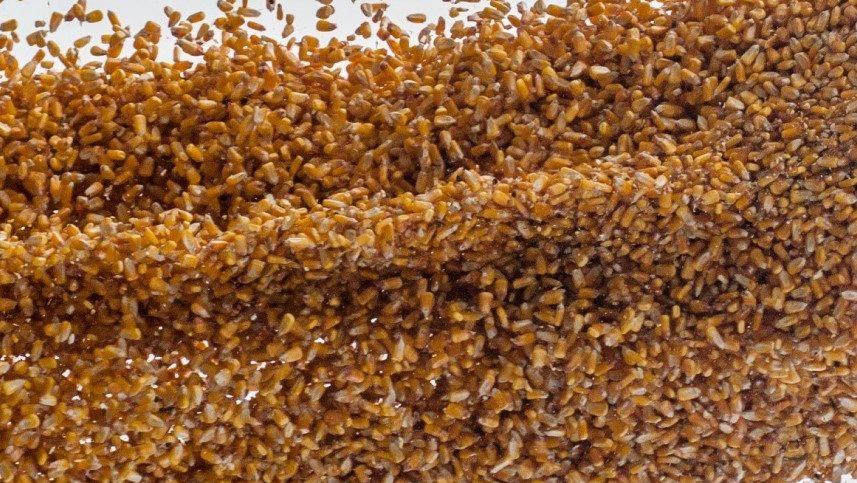
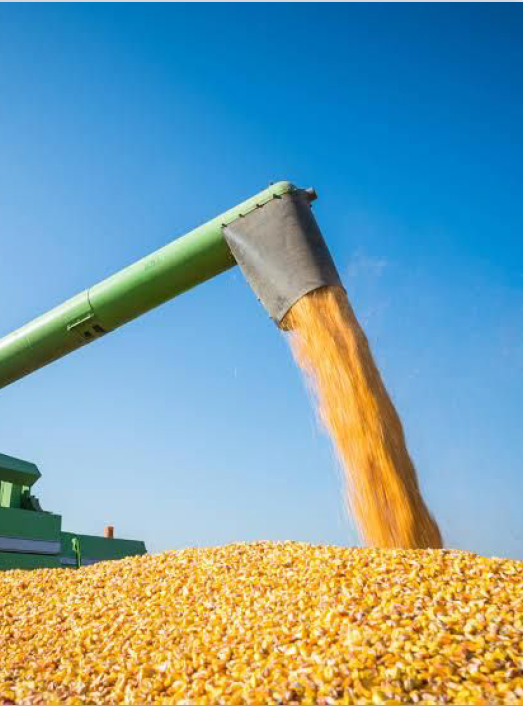
And now this dispute-resolution panel has set things straight, allowing Mexicans to import enormous amounts of GM yellow corn from the United States to feed its livestock. Meanwhile, Mexican farmers will continue to grow enough non-GM white corn to satisfy their domestic demand for dough and tortillas, as well as varieties of native corn for their niche markets.
Unfortunately, the Mexican government still prevents farmers from growing GM crops. It also appears determined in the next few weeks to compound the problem by strengthening its ban. This mistake makes agriculture less efficient and sustainable than it ought to be—but at least it does not run afoul of the USMCA.
The next few months will be important, especially in this time of political transition, as Mexico’s new president settles into office, the United States inaugurates its own leader, and Canada prepares for national elections later this year.
President Claudia Sheinbaum of Mexico appears ready to give up her opposition to GM corn imports and comply with the rules of the USMCA. This is a good first step, though the friends of free trade will need to ensure she follows through on her responsibilities as outlined in the trade agreement.
The behavior of President-elect Donald Trump of the United States bears watching, too, as he has threatened to impose tariffs that not only would violate USMCA but also invite a disastrous trade war. Let’s hope there is a method to his madness, as there seems to have been during his first term, when he denounced NAFTA but wound up negotiating the USMCA.
Our three nations should not merely uphold their trade obligations. They should seize this moment to turn the USMCA into the backbone of a mutually beneficial relationship based on science and technology—and to stand strong against the political forces that would abandon its ideals and push us into a continental trade war that hurts everyone.