Spring is a time for hope and growth—and a fitting season for Europe and the United States to refresh and improve our trade relations.

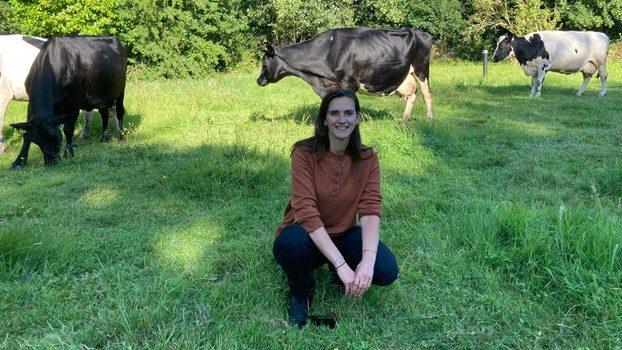
Here on my dairy farm in Holland, we’re ready for something new, after a long winter. We’ve started to let our cows outside. Soon we’ll work the land, harvesting grass for silage to feed the cows. We’re also preparing to turn our farm into a classroom, as we welcome school groups and prepare for Open Farm Day on May 15, when we expect thousands of additional guests to visit and learn what we do.
Our trade diplomats are eager to move forward, too: “A trade truce between the European Union and the U.S. looks more likely,” reported Politico on April 3, after President Trump lowered tariffs on several products.
This follows a key development in March, when a large majority in the European Parliament voted to advance a trade agreement between the EU and the United States, following a successful negotiation last year. Additional decisions loom, and questions remain after a court ruling in February limited President Trump’s ability to impose border taxes. Yet both sides appear committed to a deal.
This is excellent news for everybody.
I’m especially pleased by this progress away from protectionism. We are using some American-made products on our farm, mainly seed and indirectly US soy which is a component of some of the feed our cows are fed.

Nothing from my farm exports directly to the United States, but my co-op, which is owned by 9,000 Dutch farmers, ships luxury cheeses and dairy items to American consumers. The co-op also recently bought a whey protein plant in Wisconsin because of the growing demand for this cheese byproduct.
I’m not sure the pending deal will have a major effect on my farm, but anything that smooths trade relations between the EU and the United States is an important step forward. It creates markets for farmers and expands options and lowers prices for consumers.
As we move away from trade wars, we can concentrate more of our attention on the real wars in Iran and Ukraine. They’re making almost everything more expensive for just about everybody. Fuel and fertilizer prices are soaring. They present special economic challenges to farmers, as we drive our tractors and equipment across fields and add nutrients to the soil so that our crops can grow.
Here in Europe, we used to buy much of our gas from Russia. Since it invaded Ukraine four years ago, however, we’ve tried to become less dependent on this source of energy. The turmoil at the Straits of Hormuz in the Persian Gulf only adds to the problem.
I look forward to a time when we can once again buy and sell in a world without war. In the meantime, Europeans are relying more on gas and oil production in the United States. We need a steady supply—not a trade dispute that grinds on, creating confusion and anxiety.
Despite the wars, the future of trade ties between the EU and the United States is bright. We should buy and sell from each other as much as possible.
There is much to do: We should harmonize our standards, encourage innovation, and in general reduce the artificial barriers of taxes and regulations.
In any trading relationship, the most important commodity is trust. The second most important is predictability. We need rules of exchange that are fair for everyone. And we must keep them in place until there’s a truly compelling reason to change them.
This way, producers in every economic sector, from food to steel, can make plans to invest and grow their businesses.
There will always be surprises, such as wars and natural disasters. We shouldn’t add to this list of disruptions with trade wars.
Let’s move ahead with these trade talks—and make them the first step in a journey to mutual prosperity.