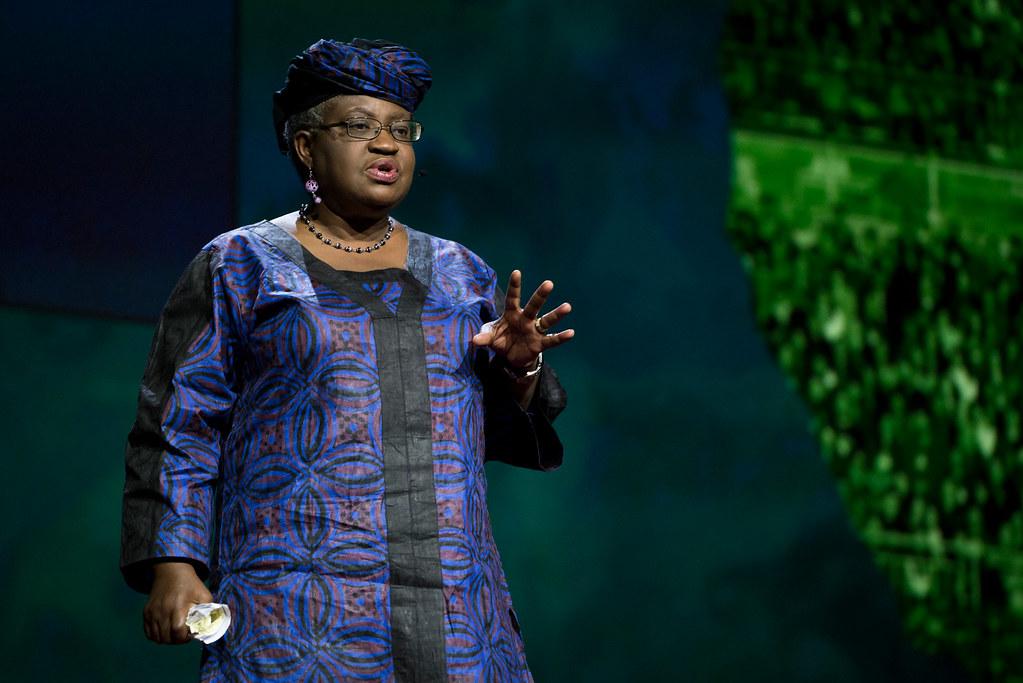
 Mrs. Okonjo-Iweala will make history simply for being who she is: On March 1, she will be the first African as well as the first woman to lead the WTO. As a Nigerian woman, I'm proud to see her success at this highest level of economics and diplomacy. She shows women in Nigeria and indeed the whole world that every kind of achievement is possible.
The job won't be easy. The WTO is fighting for relevance in a global environment that was turning inward even before the COVID-19 pandemic prompted government shutdowns and border closings.
Once upon a time, the WTO made major progress. That was during its early phases, when it was known as GATT, or the General Agreement on Trade and Tariffs. The organization helped lower the barriers that block goods and services from crossing international boundaries---and in lowering them, the WTO allowed prosperity to spread.
As we traded more, the world grew richer.
Mrs. Okonjo-Iweala will make history simply for being who she is: On March 1, she will be the first African as well as the first woman to lead the WTO. As a Nigerian woman, I'm proud to see her success at this highest level of economics and diplomacy. She shows women in Nigeria and indeed the whole world that every kind of achievement is possible.
The job won't be easy. The WTO is fighting for relevance in a global environment that was turning inward even before the COVID-19 pandemic prompted government shutdowns and border closings.
Once upon a time, the WTO made major progress. That was during its early phases, when it was known as GATT, or the General Agreement on Trade and Tariffs. The organization helped lower the barriers that block goods and services from crossing international boundaries---and in lowering them, the WTO allowed prosperity to spread.
As we traded more, the world grew richer.
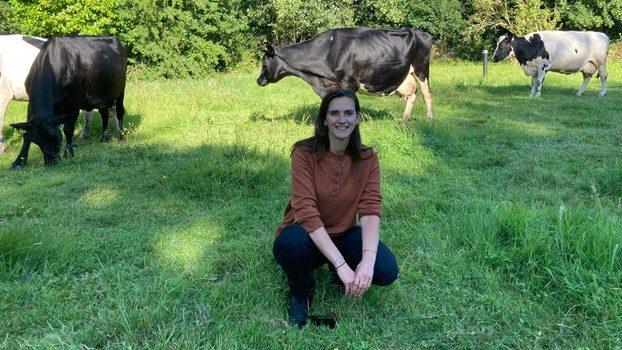
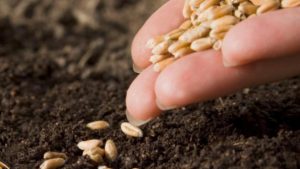 Nigeria is a longtime member of the WTO and we rely heavily on trade. We import most of what we eat, including the staple agricultural supplies of rice, corn, wheat, and soybean meal. My farm and indeed the entire agricultural sector in Nigeria depends greatly on international trade, importing almost all the inputs we use including equipment, insecticides, fertilizer, and seeds.
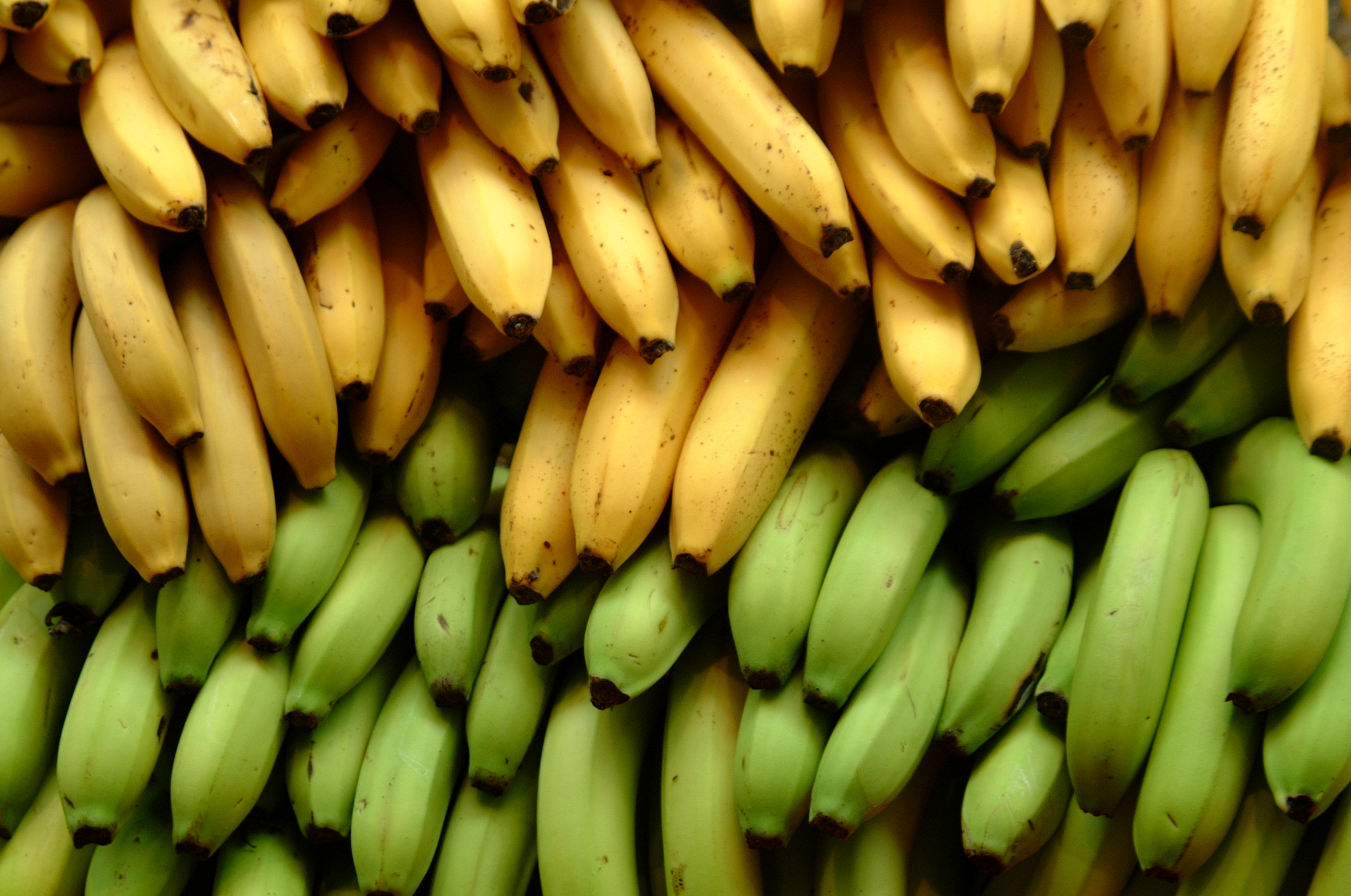 Oil and gas dominate our exports, but farmers also sell abroad, mainly those who grow cocoa, fruits, and nuts. My own farm products stay here in Nigeria, but I'm hoping to enter the business of exporting produce.
Mrs. Okonjo-Iweala won't have the time to worry about my specific challenges. From her desk at the WTO, she can't do much to halt the rising levels of violence and kidnappings that have made farming in my region so difficult. It's not even her job to try.
At the same time, I would like to think that she's aware of what may be our greatest opportunity: the ability of technology, such as GMOs, water-efficient irrigation, and more, to boost the food production and improve the lives of farmers in Africa and elsewhere. All too often, we've seen idealogues stoke fear about new technology so that they can pursue an agenda of protectionism.
Oil and gas dominate our exports, but farmers also sell abroad, mainly those who grow cocoa, fruits, and nuts. My own farm products stay here in Nigeria, but I'm hoping to enter the business of exporting produce.
Mrs. Okonjo-Iweala won't have the time to worry about my specific challenges. From her desk at the WTO, she can't do much to halt the rising levels of violence and kidnappings that have made farming in my region so difficult. It's not even her job to try.
At the same time, I would like to think that she's aware of what may be our greatest opportunity: the ability of technology, such as GMOs, water-efficient irrigation, and more, to boost the food production and improve the lives of farmers in Africa and elsewhere. All too often, we've seen idealogues stoke fear about new technology so that they can pursue an agenda of protectionism.
 A newly vigorous WTO holds great promise. Over the last two decades, however, the WTO has struggled to make progress. The current Doha round of trade talks are essentially moribund. Nations also feel increasingly able to ignore the rulings of the WTO's dispute-resolution panels.
Mrs. Okonjo-Iweala's job, then, is to make the WTO matter again. She must execute the WTO's mandate without fear or favor, ensuring that everyone plays by the same rules and also allowing developing economies to continue developing. This is a delicate task that demands balancing the imperatives of free and fair trade.
I'm optimistic that she'll do a good job.
She has a stellar reputation in Nigeria, thanks to her eight years of service as Finance Minister. On her watch, she channeled oil proceeds to debt repayment. She also negotiated debt forgiveness. Today, because of her, Nigeria is in a strengthened financial position. She is seen as a knowledgeable and keen technocrat who is not corrupt.
Mrs. Okonjo-Iweala also has spent 25 years at the World Bank, where she rose to its number-two position. Because of this, some of her critics have claimed that she's more of a development economist than a trade expert. It is imperative that a balance between both be found, ensuring that developing countries can grow their local production and industries while also allowing importation. This becomes even more important when unforeseen challenges like a global pandemic further stress already fragile food systems.
A newly vigorous WTO holds great promise. Over the last two decades, however, the WTO has struggled to make progress. The current Doha round of trade talks are essentially moribund. Nations also feel increasingly able to ignore the rulings of the WTO's dispute-resolution panels.
Mrs. Okonjo-Iweala's job, then, is to make the WTO matter again. She must execute the WTO's mandate without fear or favor, ensuring that everyone plays by the same rules and also allowing developing economies to continue developing. This is a delicate task that demands balancing the imperatives of free and fair trade.
I'm optimistic that she'll do a good job.
She has a stellar reputation in Nigeria, thanks to her eight years of service as Finance Minister. On her watch, she channeled oil proceeds to debt repayment. She also negotiated debt forgiveness. Today, because of her, Nigeria is in a strengthened financial position. She is seen as a knowledgeable and keen technocrat who is not corrupt.
Mrs. Okonjo-Iweala also has spent 25 years at the World Bank, where she rose to its number-two position. Because of this, some of her critics have claimed that she's more of a development economist than a trade expert. It is imperative that a balance between both be found, ensuring that developing countries can grow their local production and industries while also allowing importation. This becomes even more important when unforeseen challenges like a global pandemic further stress already fragile food systems.
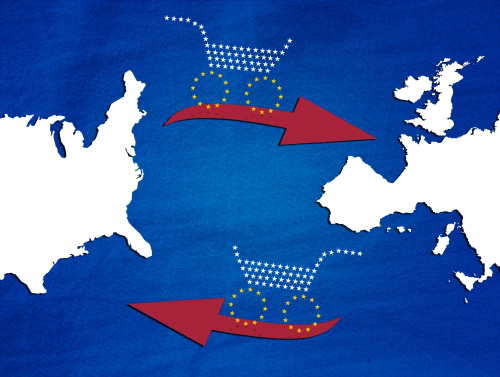 Trade amongst nations is inevitable. Trade talks are all about negotiations, finding and supporting balance---and Okonjo-Iweala has a long track of success in this area. For her entire career, she has brought people, groups, and countries together for mutual benefit.
At the WTO, she simply has to do more of the same, all while wearing a beautiful gele.
Trade amongst nations is inevitable. Trade talks are all about negotiations, finding and supporting balance---and Okonjo-Iweala has a long track of success in this area. For her entire career, she has brought people, groups, and countries together for mutual benefit.
At the WTO, she simply has to do more of the same, all while wearing a beautiful gele.
Nominations are being accepted for candidates to the 2021 Global Farmer Network Roundtable and Leadership Training. Tentatively scheduled to be held in Brussels, Belgium during summer 2021, the next Roundtable date is dependent on when travel is allowed and people feel safe. Learn more about the event here.