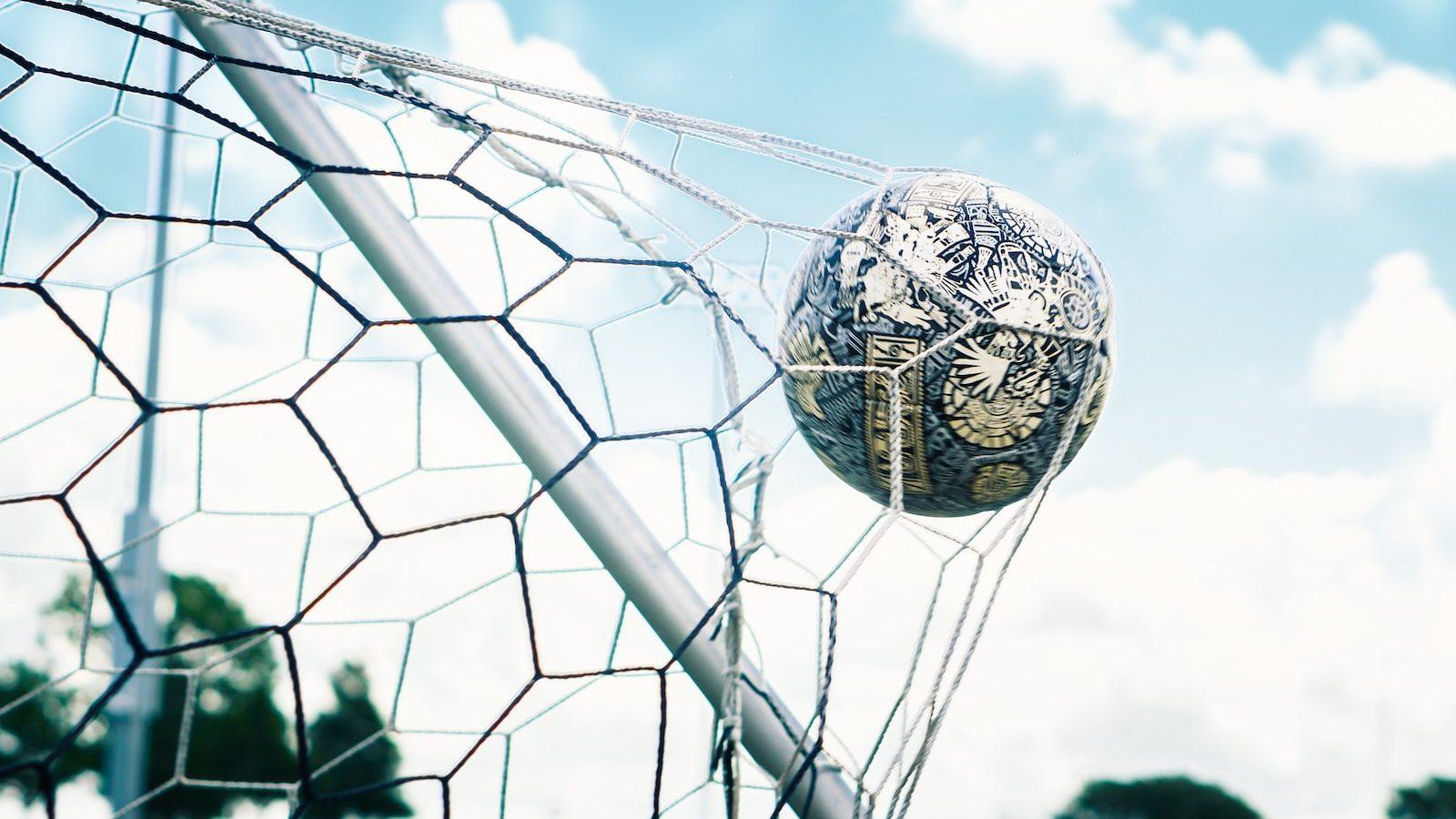
The top soccer coaches give their teams simple advice: Play the ball and not the man.
Farmers should keep this in mind as we confront a world in trade turmoil.
You’ve seen the latest headlines, with so many driven by one person: President Trump wants to acquire Greenland for the United States by purchase or possibly invasion and he’s slapping new tariffs on America’s erstwhile allies if they try to get in his way.
It might seem that ordinary farmers can’t do much about these events and the chaos that surrounds them.
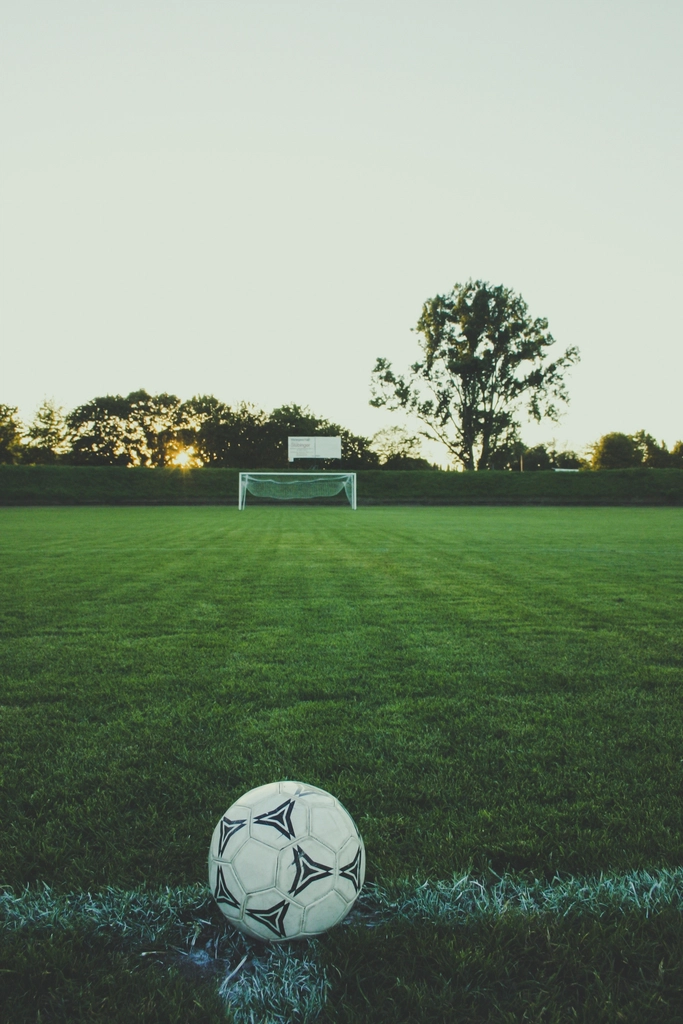
Except that we can play the ball and not the man.
In other words, forget Trump. Concentrate on the realities on your own farm. Gain control of the ball, possess it well, and advance toward the goal with discipline and patience. You have to face the most difficult of opposition with a game plan.
That’s how we will find our way through this present round of geopolitical posturing.
Farmers face daily problems, of course, but we do our best work when we avoid fixating on 24-hour news cycles. We must take the long view, thinking in terms of season, years, and even generations.
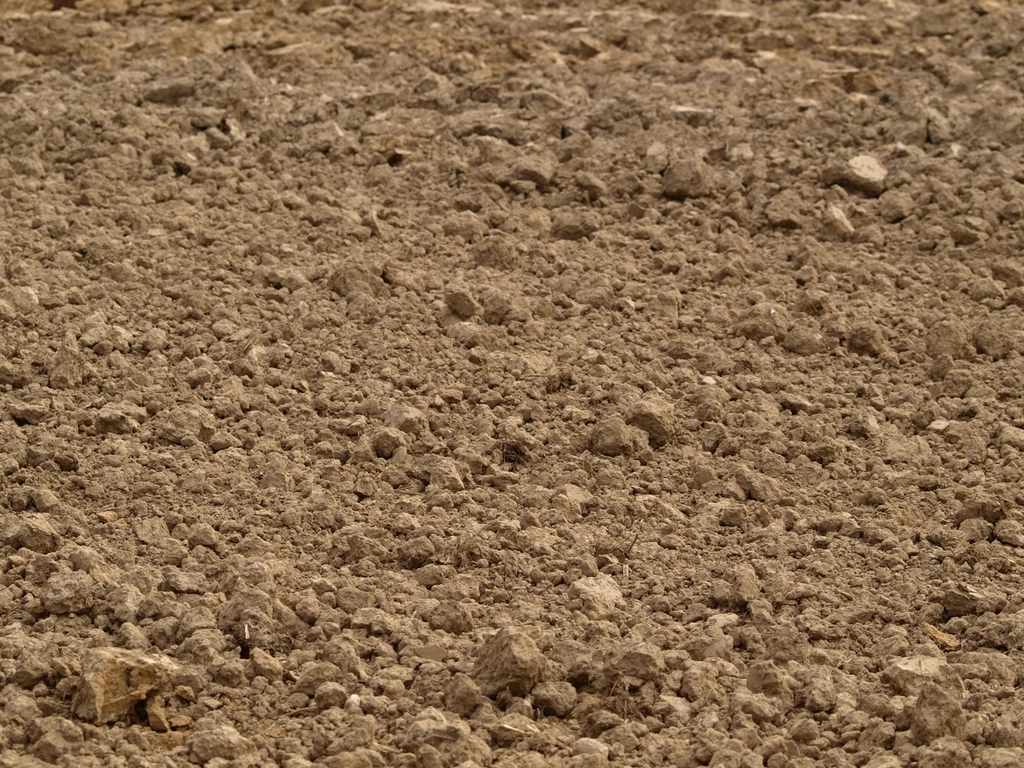
We can focus on fundamentals such as the soil beneath our feet. You might assume that there isn’t anything new to learn about the dirt that our crops need for their nourishment. That was my first thought when I heard about a soil workshop a few months ago. I signed up for it anyway and I’m glad that I did because it improved my understanding of how to not just balance nitrogen, phosphorus, and potassium in fertilizer use, but appreciate the importance of wider micro nutrient balance. Rather than regard them as individual elements on chemistry’s periodic table, we were led through how they function together.
This knowledge will make me a better farmer in 2026 and beyond. Letting Trump get in my head over Greenland’s sovereignty won’t.
I once listened to a soybean grower in the United States discuss the rising challenge of cheap and efficient soybean production in Brazil. Instead of complaining about a new competitor or demanding protectionist policies, the American shrugged. “We’ll just have to get better,” he said.
That’s exactly the right approach. He was playing the ball and not the man.
Another farmer—a member of the Global Farmer Network, as it happens—made a similar point that has stayed with me.
“As farmers, we’ve always faced problems,” he said. “We just need new solutions.”
That’s easy to say and perhaps it’s easy to dismiss—but in fact it’s a powerful mindset that all of us should adopt and we are more likely to find solutions with those we work with, and in our supply chain.
Farmers can’t change the weather. We can’t control disease. Yet we’ve never been better at managing these factors through everything from seed technologies to modern methods of forecasting. We can anticipate wet spells and dry spells and even predict which specific diseases will pose risks.
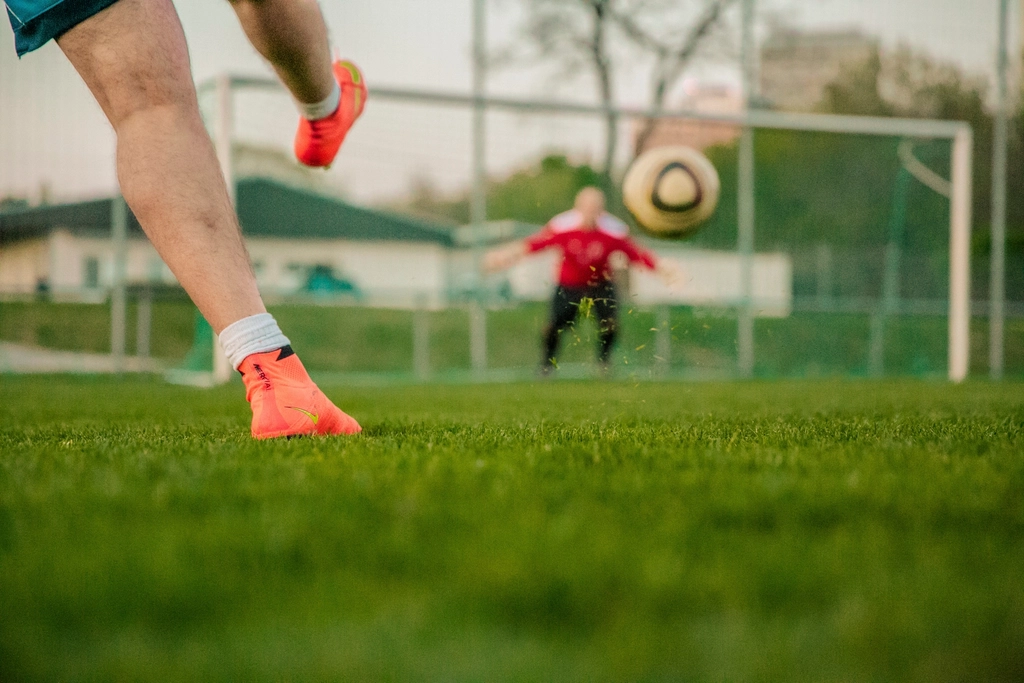
When we know what’s coming, we can prepare.
These solutions have allowed us to meet threats that our farming parents and grandparents recognized but didn’t know how to overcome. When we invest in the future—and the decision to do this is ours alone—we give ourselves a chance to do better. I can look back on several occasions and remember thinking that an investment was a stretch, only to find myself wondering how we had managed before.
We should think about politics in a similar way. It’s hard to ignore the drumbeat of daily developments, especially when they involve news of conflict. And it’s important for us to know what’s going on in our countries and around the world. Democracies depend on informed citizens who make good choices during elections.
Yet the ability of any individual farmer to influence trade policy is strictly limited. The new trade agreement between the European Union and the Mercosur nations of South America took 25 years to negotiate and approve. That’s half the working life of a farmer. The deal moved at the slow speed of climate change: We’ve known for years that it’s coming, but it still took a couple of decades to arrive.
This is not the kind of event to which individual farmers can effectively react. Yet it’s precisely the kind of event for which we can prepare through smart decisions on our own farms.
That’s how we will get through this news cycle and the next one: We must play the ball and not the man.
Featured image credit: Photo by Chaos Soccer Gear