Brooke Rollins took President-elect Trump’s familiar slogan and gave it a twist: “Who’s ready to make agriculture great again?”
That’s what she asked (in all caps) as she accepted the nomination to become Trump’s Secretary of Agriculture.
“It will be the honor of my life to fight for America’s farmers and our Nation’s agricultural communities,” she wrote.
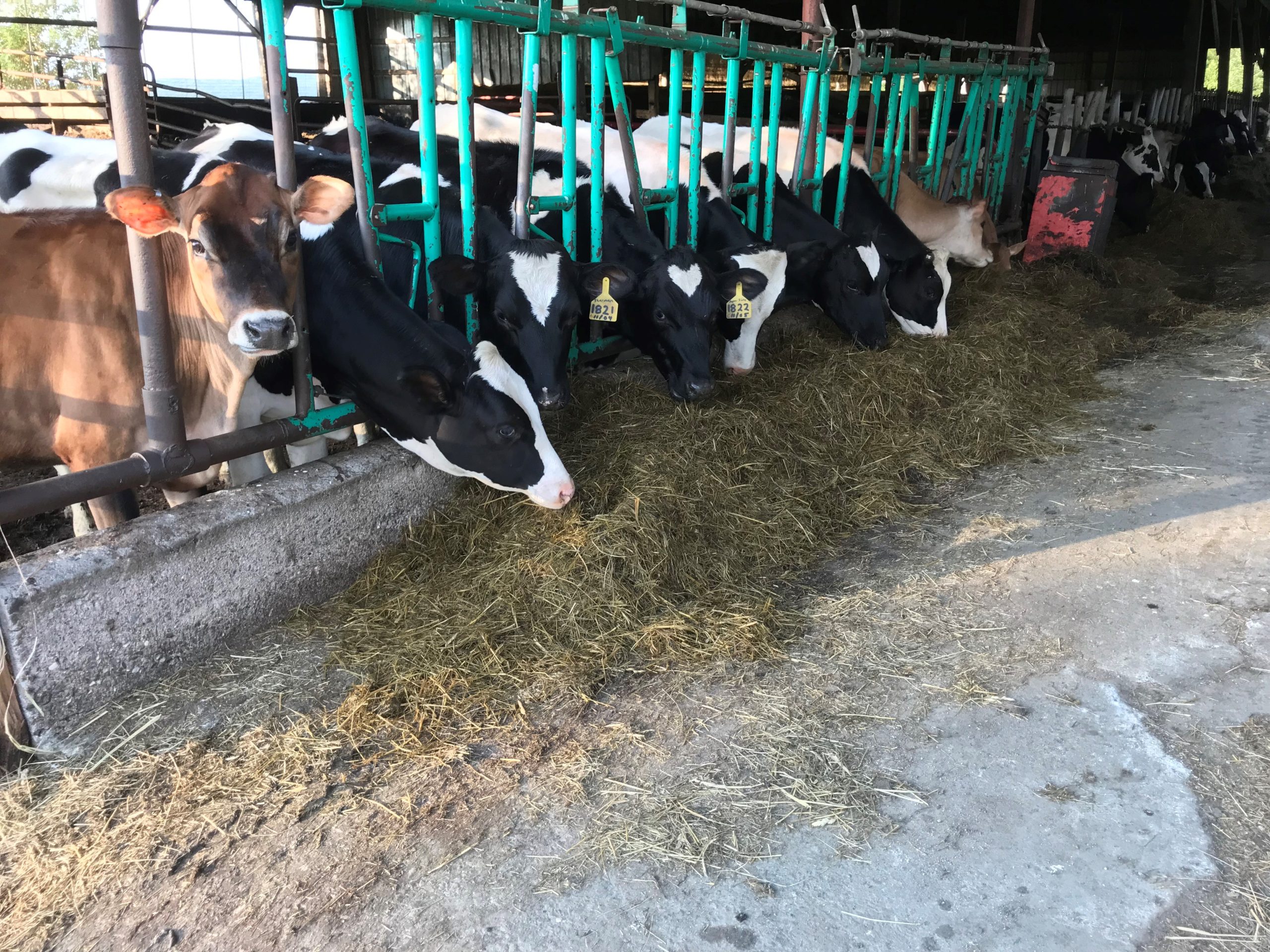
Farmers like me are ready to help, even though many of us think U.S. agriculture never has been anything but great, but in the spirit of the 4-H slogan, we surely can strive to make the best better.
Step one brings to mind the old quip by Ronald Reagan about the nine most terrifying words in the English language: “I’m from the government and I’m here to help.”
Farmers often just want federal bureaucrats to get out of our way and let us produce the food that everyone needs.
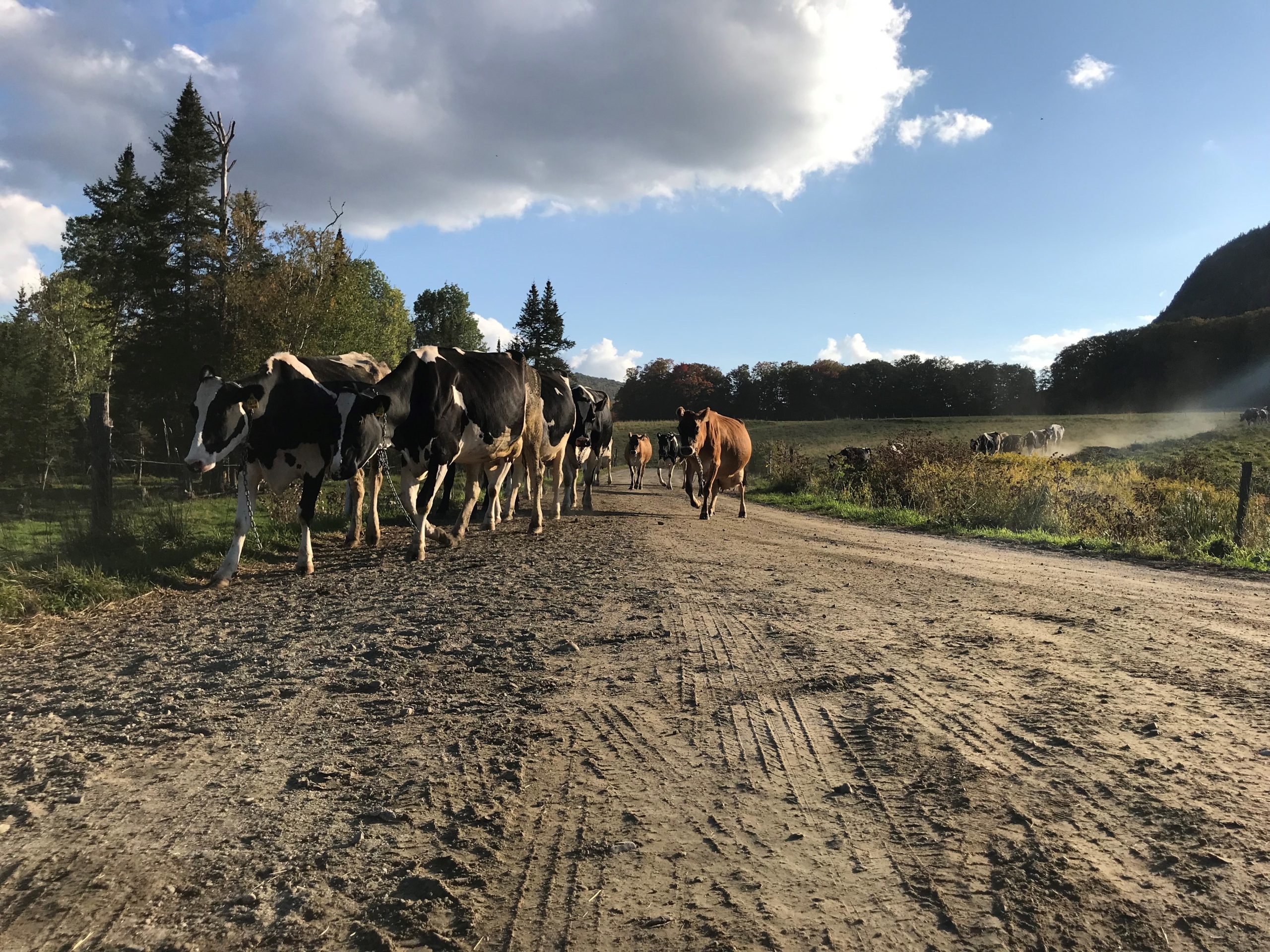
Even so, we need strong leadership at the Department of Agriculture—and my hope, as a dairy farmer in Vermont, is that Rollins will become our champion in the coming battles over trade and technology.
Prior to her nomination, Rollins didn’t have much of a profile in agriculture. She worked in several capacities on President Trump’s first White House team. Prior to that, she was head of the Texas Public Policy Foundation, a free-market think tank.
Her involvement with agriculture is more personal than political. She hails from Glen Rose, Texas, (pop. 2,659) and calls herself “a small-town ag girl.” She has participated in groups such as the Future Farmers of America and 4-H, and her degree from Texas A&M is in agricultural development.
A background in farming or ranching is helpful to any Secretary of Agriculture, but a more important qualification is an understanding of food production and its challenges. That’s especially true today, given the uncertainties of what farmers can expect from the nomination of Robert F. Kennedy, Jr. to head the Department of Health and Human Services, which has a role in governing American food systems.
A recent headline in the Wall Street Journal dubbed Rollins “The X-Factor for Kennedy’s Food Agenda.” Farmers will need an ally in the administration who calls for common-sense food regulations and science-based farm policies.
Rollins has another possible X-factor role as a leader inside the Trump administration who seeks to expand economic opportunities for farmers.
It starts with exports and market access—an area of concern for many farmers, as Trump has made clear his willingness to engage in trade wars.
When President Trump imposed tariffs on steel and aluminum imports during his first administration, other nations retaliated with restrictions on U.S. agriculture, limiting our ability to sell our produced-in-America food to customers overseas. Sales in just two years declined by $27 billion, according to the American Farm Bureau.
To make matters worse, this trade war erupted during a period of low profit margins. More dairy farmers went out of business than at any time since the early 1980s.
Trump’s first Agriculture Secretary, Sonny Perdue, appeared to be insensitive to the diversity of farms we have in our country: “In America, the big get bigger and the small go out,” he said at Dairy Expo in Wisconsin.
An excellent way for all to get bigger in terms of bottom lines, of course, is to expand our foreign markets through diplomacy and trade agreements—and that takes a Secretary of Agriculture who wants to play a part.
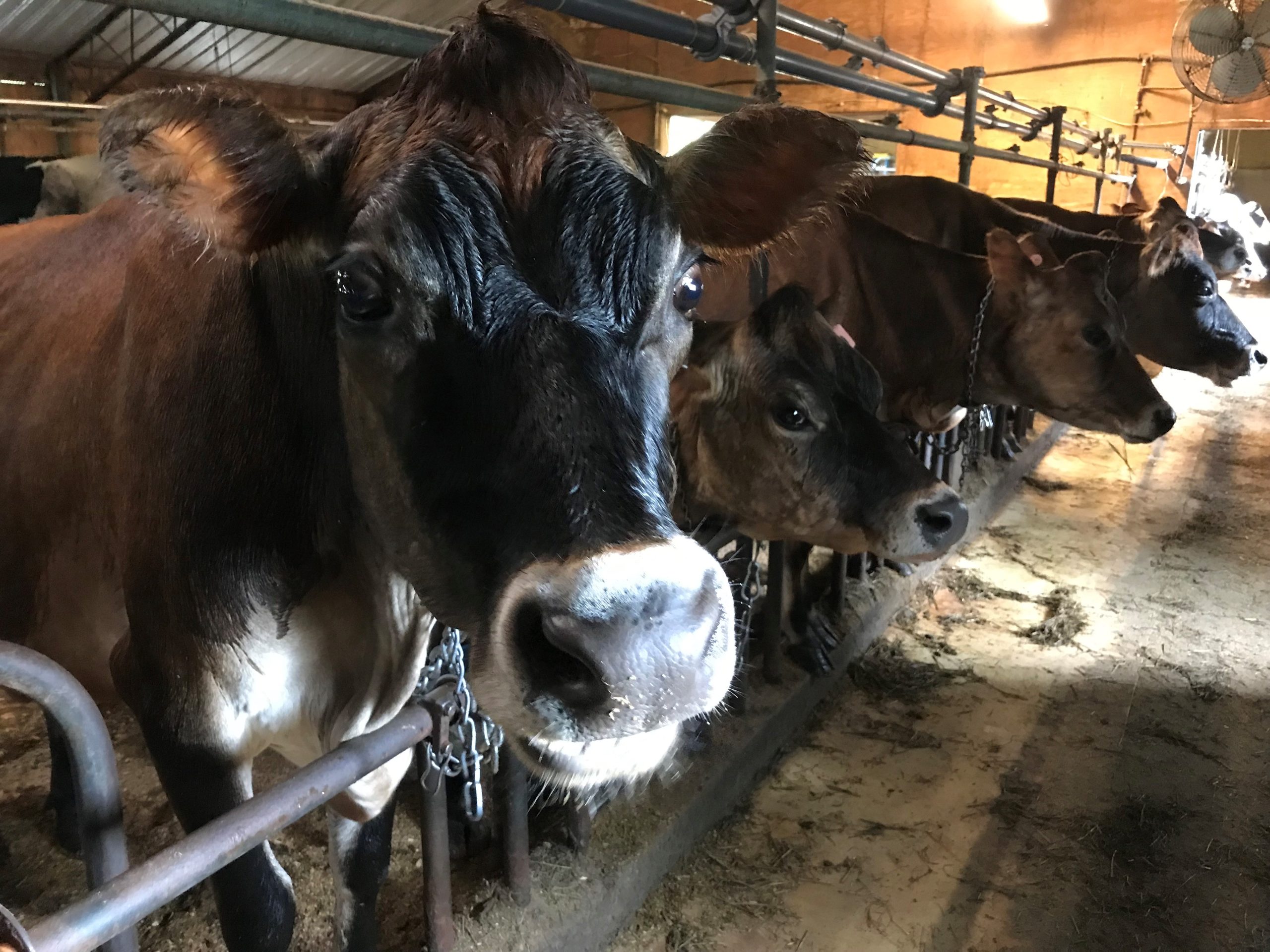
We have tremendous opportunities in dairy. Last year, total U.S. dairy exports were worth $8 billion. Although this was down from 2022, we’ve seen major export growth over the past twenty years, from $1.6 billion in 2004. We’re poised for even more, as innovations have given us new dairy products and new ways to extend the shelf life of milk. These new products require new markets as well.
In response to the hardship caused by its protectionism, however, the first Trump administration issued tariff-assistance checks. This well-intended gesture boosted bottom lines, especially among big grain growers in the Midwest. Yet it didn’t do much to relieve dairy farmers like me. My farm’s support covered our electricity bill for about one month.
Farmers want trade, not aid.
We want to sell what we grow and produce, at home and abroad.
Improving trade and technology for farmers is the best way to keep American agriculture great.