He was born in a Wisconsin farmhouse that lacked indoor plumbing—and he went on to become one of America’s biggest voices in agriculture.
The great radio broadcaster Orion Samuelson died on March 16 at the age of 91. There will never be another communicator like him. I believe he inspired many more in his profession.
Speaking in baritone over the airwaves, Samuelson and his sound were instantly recognizable. But that’s not what made him unique or even special. His value was that he understood agriculture better than any other newsman.
He didn’t just provide the latest information on commodity prices and the weather, though he did these things constantly. Instead, he educated the public about farming. He was a reporter who doubled as a teacher.
Samuelson told the farmer’s side of the story, and he told it for decades. He first worked at a few radio stations in his native Wisconsin. Then, in 1960, he made his big move to WGN in Chicago. He worked there for the next 60 years, retiring only in 2020.
He came to prominence in an era of AM radio stations with 50,000-watt signals. Listeners in nine states could hear WGN—and Samuelson was a constant presence. He also appeared on WGN-TV. The Chicago Tribune hailed him “a one-man multimedia machine.”
I initially got to know him as an image on television rather than as a voice from a speaker. Because I farmed in Iowa, I tended to tune into WHO, a 50,000-watt station based in Des Moines.
Yet almost every farmer in the Midwest knew about Orion. He was on the radio throughout the day, and well-known for his noontime broadcasts. He interviewed farmers and agronomists, delivered reports from Chicago’s stock yards, and traveled to state fairs.
Over the course of his career, he tracked cycles of boom and bust. He watched rural life change and improve. He saw agriculture consolidate and modernize. He chronicled the positive but based on the realities.
He became a media star, but he always remained a Wisconsin farm boy. I’ll resort to the cliché: You can remove the boy from the dairy farm, but you can’t remove the dairy farm from the boy. This quality was an indelible part of his life and his appeal. It animated his work. It also grounded his work.
Samuelson knew from experience what it meant to grow up on a farm. He understood the hard effort it takes to sustain crop and livestock operations. And he possessed a natural curiosity that drove him to ask good questions as he watched American agriculture take up new technologies and become the planet’s most powerful force for food production.
Along the way, he was always relatable. I met him several times at events where he spoke. Yet I always felt like I knew him. He was personable when he was in your presence as well as when he was far away, in a studio and talking about agriculture.
Farmers relied on him for news and information. He also performed another vital service: He connected us with a wider world of non-farmers. He sat with Presidents and every Secretary of Agriculture, never shying away from stern questions.
Samuelson connected us to consumers. He reminded general listeners that food doesn’t come from grocery stores. It comes from farmers.
He often stated: “If you eat, you too are involved with agriculture.”
In the 21st century, radio can seem like an old-fashioned medium that’s giving way to podcasts, videos, and social media delivered on phones and tablets. Yet the latest Nielsen Report reveals that radio remains America’s top medium. Each month, it reaches 93 percent of U.S. adults. Even among the youngest audience segment—Americans aged 18 to 34— its reach is 89 percent.
Farmers continue to listen, especially as we drive our trucks and tractors. Podcasts are great, but nothing beats the immediacy and intimacy of live radio—and Samuelson was its longtime master.
Today, the media often can seem dominated by loud voices on shout shows. These partisans just want to scream their activism to tribal audiences that nod in thoughtless agreement. They seem to get all the attention.
Samuelson was different and better. He was a voice of common sense for people who hunger for understanding and agreement.
I miss him already.
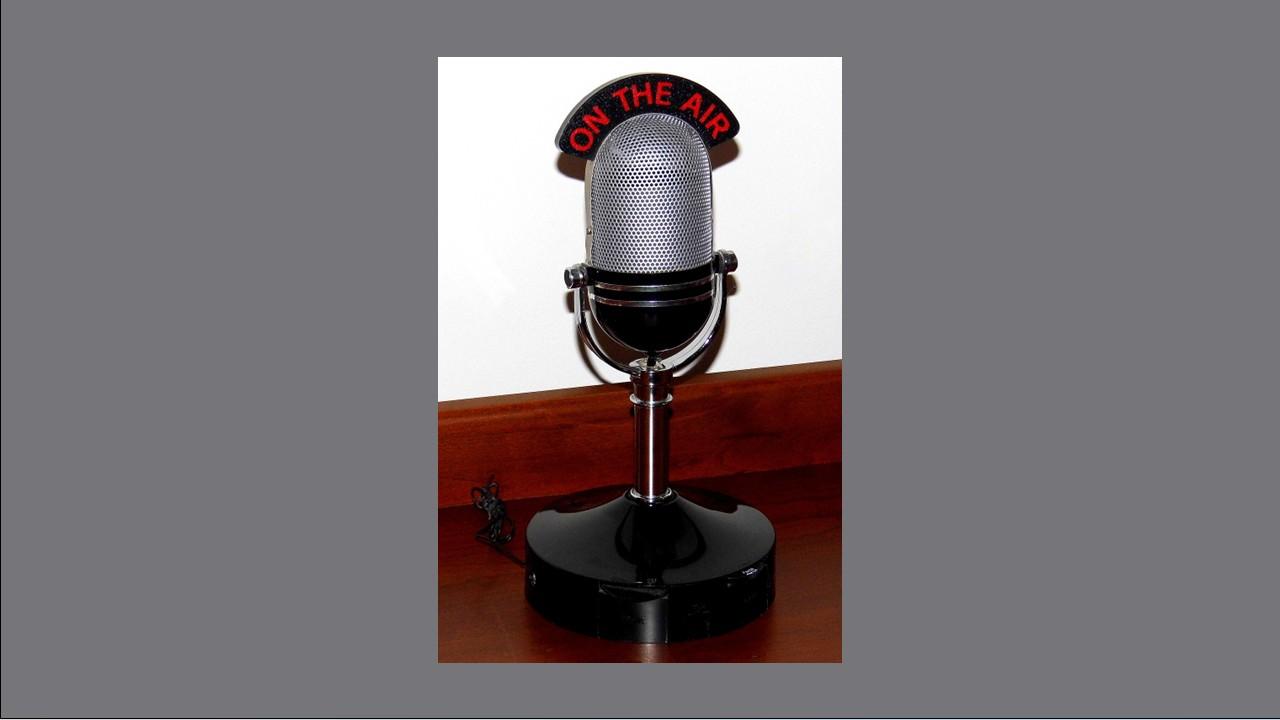
Featured image: Joe Haupt from USA, CC BY-SA 2.0 https://creativecommons.org/licenses/by-sa/2.0, via Wikimedia Commons