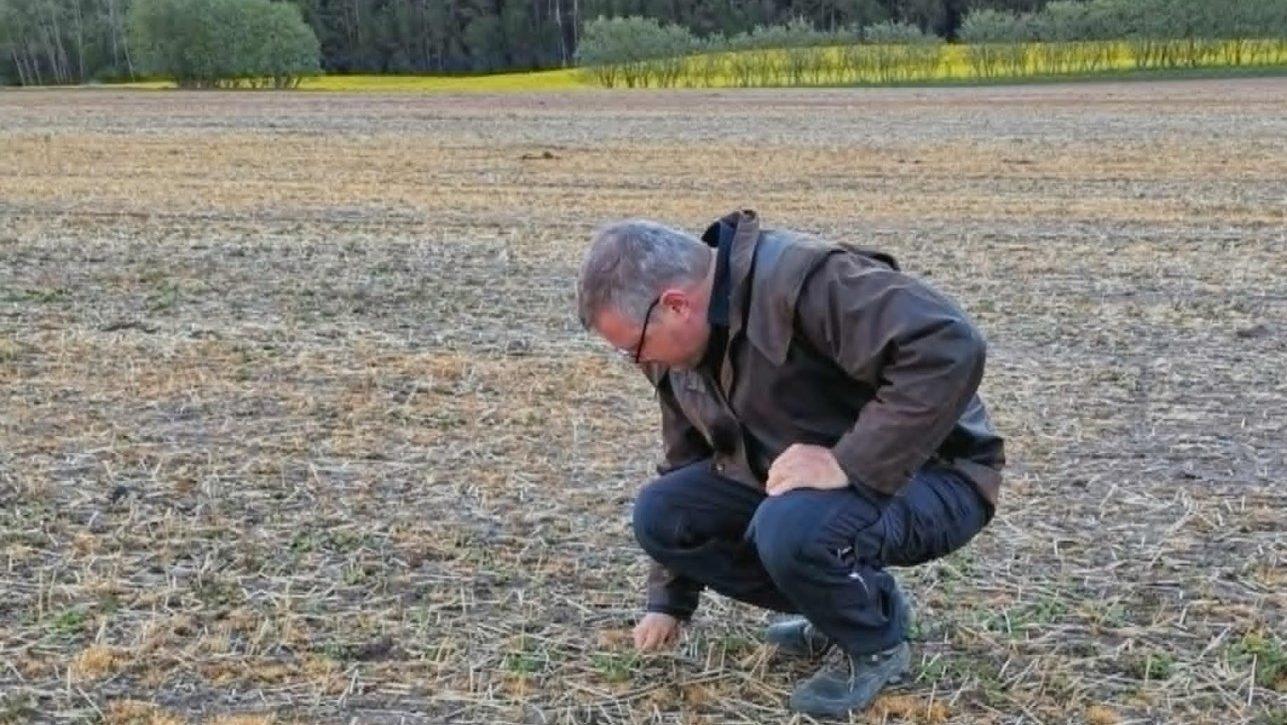
Spring is almost here for my farm—in more ways than one.
Not only am I seeing its early signs in Denmark’s weather, but I’m also watching a sudden and positive change in Europe’s agriculture policy.
At first, I became a little suspicious when I read the headline: “EU Commission sets Green Deal aside in new agri-food vision.” Was it just a smart headline?!
Yet hopes spring eternal, so I had to check the EU Commission’s official site, with their press releases—and read the amazing truth.
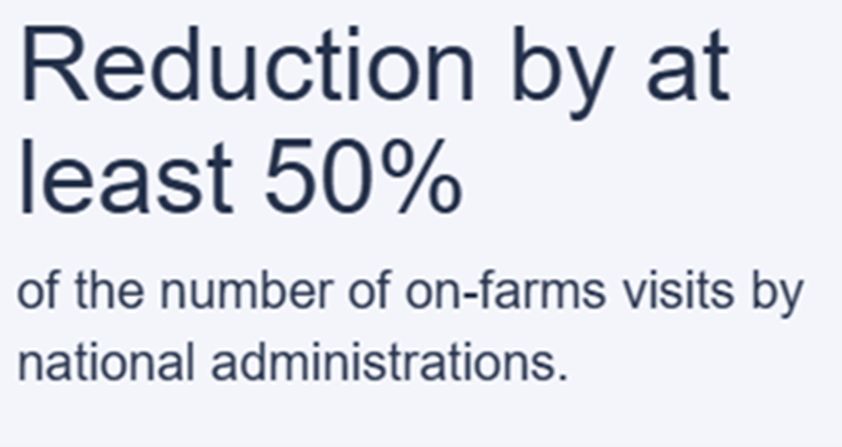
The EU Commission—the executive branch of the European Union—announced a plan to retreat from an agenda of pushing for environmental radicalism at the expense of farmers and food security. The commission says that its new vision, released on February 18, “sets the stage for an attractive, competitive, resilient, future-oriented, and fair agri-food system for current and future generations of farmers and agri-food operators.”
I call it simple common sense. It is good news for all Europeans, delivering a renewed focus on securing staple energy and food supplies for an affordable price.
The commission finally has realized that Europe needs to wake up. Our agricultural policy must be driven by knowledge and science, not the utopian fantasies of environmental activists who don’t know the first thing about food production and the tools that farmers need.
For too long, the EU’s politicians and bureaucrats have viewed farmers as obstacles in their efforts to confront climate change. They’ve treated us as enemies whose daily work is to assault the environment.
This new policy recognizes the truth: “Farming is about working with nature. Food production is based on, and inextricably linked to, nature and ecosystems.”
Farmers are in fact the world’s biggest conservationists. Our work is tied to the land, which we seek to protect and defend for ourselves and future generations. Just about every farmer understands this role of stewardship.
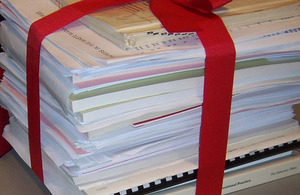
Now the commission seeks to make it easier for us to do our jobs, promoting access to technology, reducing red tape, and ensuring regulations are based on incentives rather than trying to dictate outcomes. In the past, bureaucrats have threatened our access to fertilizer and crop-protection products. Now they’ll work with us to make sure that we have what we need to adapt to changing circumstances as we grow food in a sustainable way.
The commission’s second thoughts are driven in part by demography: Farmers under the age of 40 manage only 12 percent of the EU’s farms.
For too long, young people have seen agriculture as a dead-end career. Who can blame them? They’ll stay away as long as government officials join ideological activists to denigrate an entire industry.
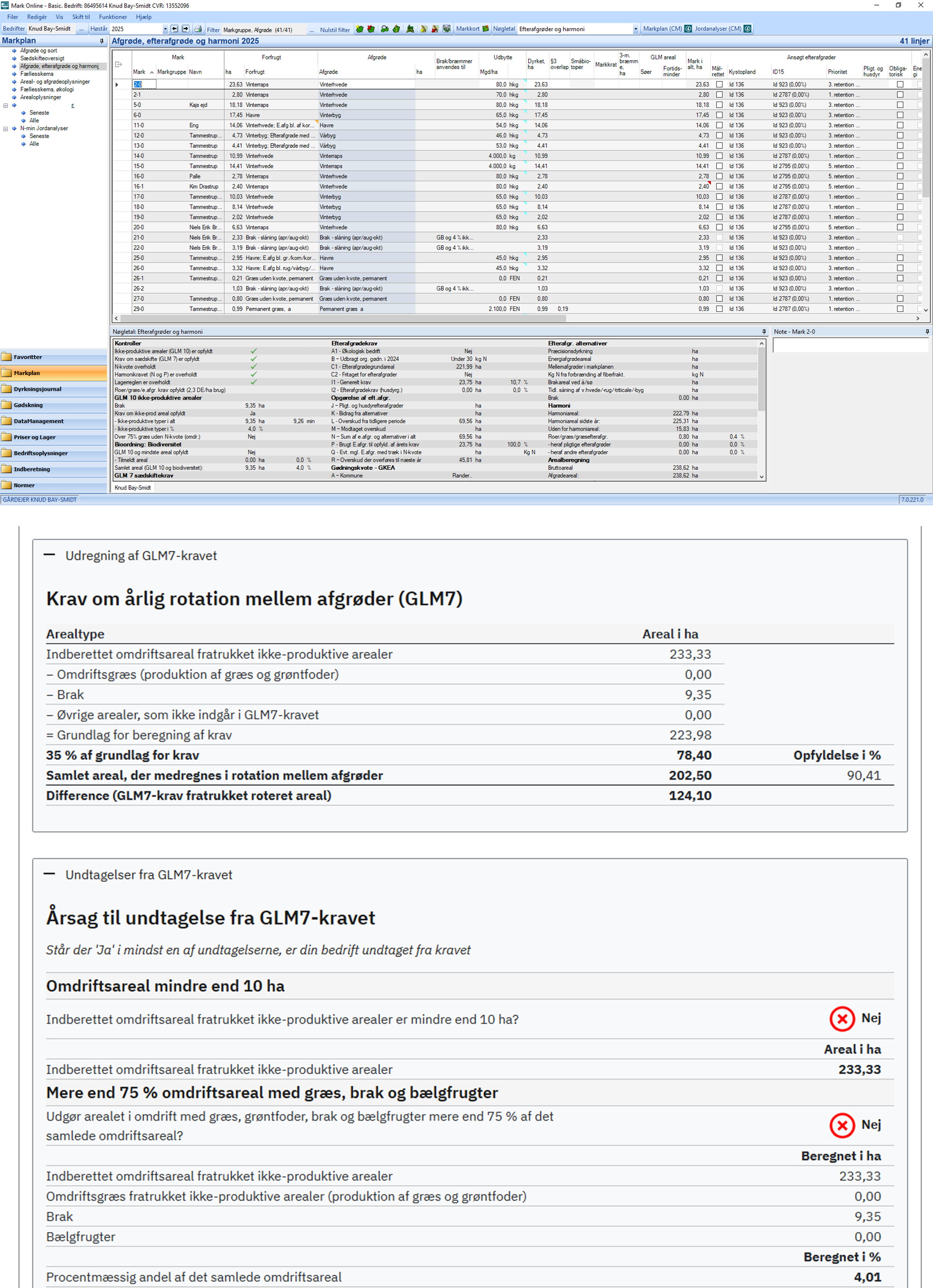
Much of my winter is devoted to needless paperwork. Rather than studying the results of the previous harvest, planning for the next season, fixing machinery, and attending trade shows to learn about new products, methods, and innovations, I must devote myself to regulatory compliance.
Every business needs regulations, of course—but the purpose of regulations must be to enable responsible work, not to strangle an entire economic sector.
The commission finally appears to understand that people go into farming because they want to grow food. I’m especially encouraged by the remarks of Christophe Hansen, the new agricultural commissioner.
“One prerequisite of competitiveness is less bureaucracy. Lighter and more agile policy is a must. We will further alleviate the burden of regulation and allow farmers to focus on producing food,” he said last month. “More farmer, fewer forms to fill in.”
I hope this new vision for agriculture will include an openness to New Genomic Techniques, or NGTs, whose embrace would allow European farmers like me to take advantage of the latest plant-breeding technologies. We would have a chance to grow crops that withstand droughts and floods, fight weeds and pests, and produce more food on less land.
A lot of details remain to be worked out. Agricultural policy is enormously complex, and the commission’s vision now requires an implementation strategy that will involve EU’s parliament as well as national governments.
My own Danish government is due to assume the presidency of the EU on 1 July 2025, and I worry that it will resist the commission’s new approach, but I also know that many other EU countries want to scrap the old agenda. I’ll be rooting against my own political representatives, and hope that we lose that match.
In the meantime, I’ll keep preparing my farm for spring—in both literal and figurative ways.