Many children know that milk comes in a carton from a refrigerator.
Unfortunately, this is about as close as a lot of them will ever get to dairy farming.
That’s why farmers must open their gates to schools. I’ve been doing it for seven years on our farm here in the Netherlands—and I’ve learned that welcoming students and organizing hands-on activities are not just fun events to pass the time. They are essential to the future of farming.
Popular perceptions and misperceptions about agriculture increasingly shape the government policies and consumer choices that affect farmers. We can’t control the weather or the markets, but we can influence what people think about who we are and what we do.
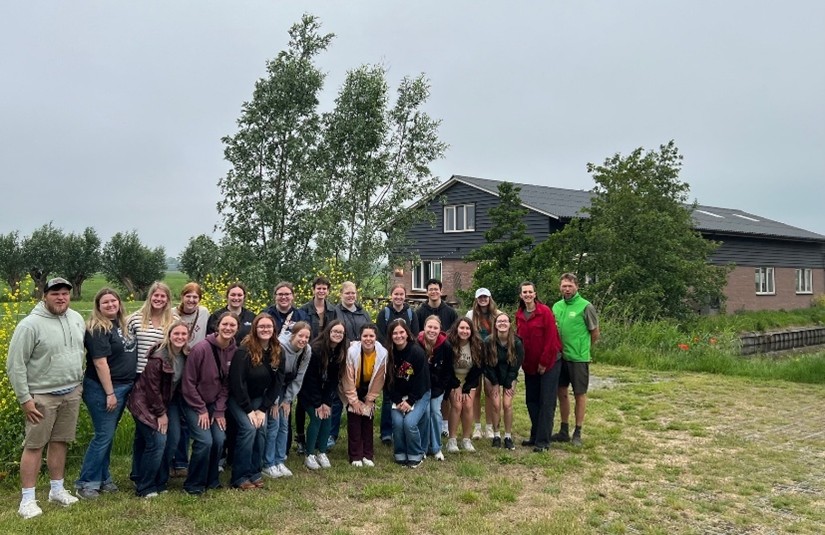
We can start by inviting them in. Your farm can be a classroom.
There is simply no substitute for seeing a farm with your own eyes. That is where authenticity begins—and that’s why school children must visit a farm at least once in their lives.
When kids come to my farm, they meet the animals. They see how we milk them. They find out that I milk cows each morning before sending my own kids to school.
They also hear the hum of the parlour. They smell fresh silage. They notice the mud on my boots.
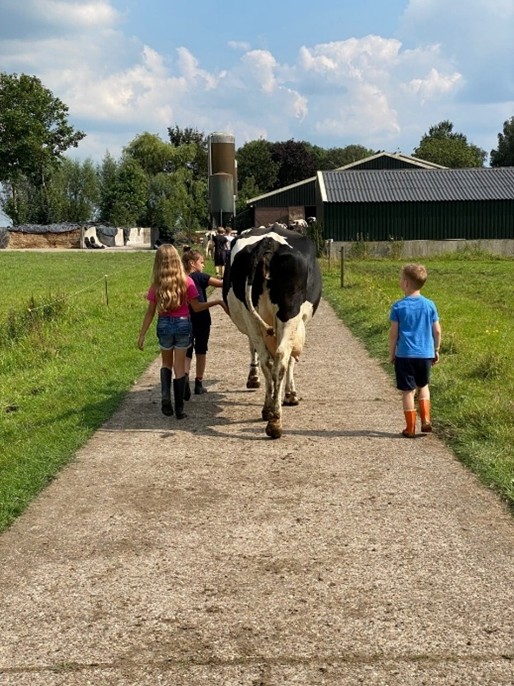
As they see, hear, and smell, they learn where their milk really comes from.
Then they deepen their knowledge. There’s nothing like standing next to a cow while we explain how we care for her, feed her, and monitor her health. They come to understand that dairy farmers are deeply invested in animal health and land stewardship. They are surprised and delighted to discover that cows have individual personalities.
They feed calves. They see how we cool and store milk. They run through our pastures. They see carrots in our garden or pick apples from our trees.
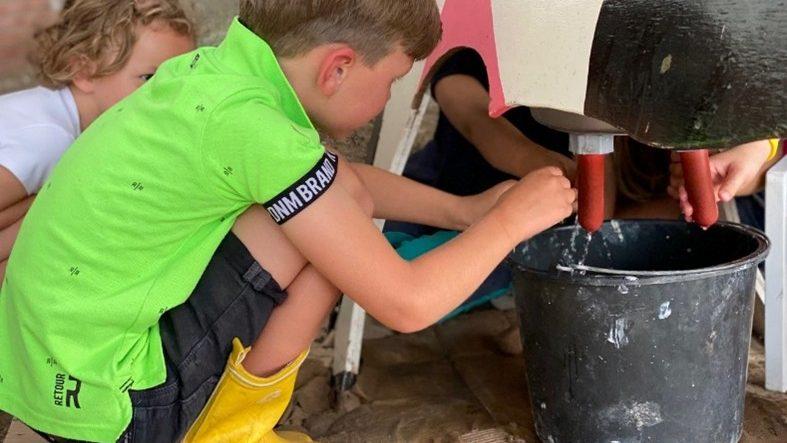
We use wooden cows to show them how we milk the animals. And of course we let them drink fresh milk. They learn that its true source is a farm. Food becomes real for them and the farm a learning, living experience.
The experience of visiting our farm and participating in its activities creates a level of trust that no brochure or social media post can match.
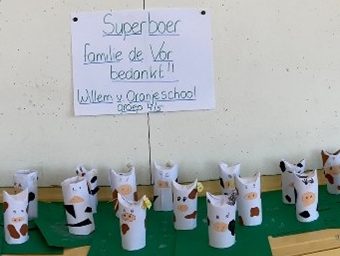
This isn’t just for the primary school students. We also host university students. They learn that agriculture is not “old-fashioned,” but a blend of tradition, innovation, and constant problem-solving. For some, it may even spark interest in agricultural careers that they never knew existed. At the very least, they learn something that they may carry with them for the rest of their lives.
Our guests don’t get a scripted or curated version of agriculture. We let them ask probing questions about everything from economics to mental health. We give them honest answers.
Farm visits must align with what farmers do, not with what we think people want to hear. We are not performers. We are farmers who share our daily work and create understanding.
This is authenticity in action. It’s the best kind of education because it feels natural rather than forced. Nothing can compete with it.
Open farm days create space for dialogue with consumers, neighbours, and policymakers. Barriers fall when families walk through the barns, share a meal, or talk directly with us. Most of our visitors are truly interested in what we do. As a woman in dairy farming, I find these moments especially powerful. They show young girls—and their parents—that agriculture has many voices and leaders.
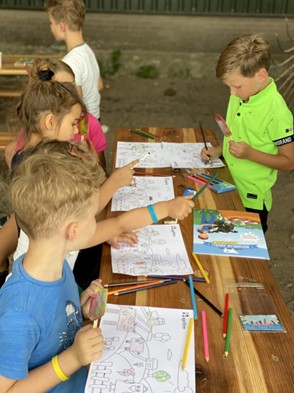
Every farmer can do this, but the biggest hurdle may be the first step. It’s okay to start small. It’s even okay to stay small. Opening a farm takes a lot of time, hard work, and maybe courage. You never know who will visit your farm and how they feel about our animals or land.
I never expected to host thousands of visitors, but that’s what we’ve done. I’m convinced that the effort is worth it. If we want a food system grounded in trust, sustainability, and shared responsibility, we must start by opening the gate.
The future of farming depends not only on how we produce food, but on how well we explain it. This is our license to produce. By welcoming schools and communities onto our farms, we plant seeds of understanding that can last a lifetime.