Canada is waging a two-front trade war.
The first trade war gets most of the attention: President Donald Trump’s ongoing determination to slap tariffs on products bound for the United States, our biggest trading partner. This is in spite a major court ruling last month that appears to limit his executive power.
The second trade war may be more important and long-lasting for me as a farmer: the European Union’s battle against innovation, removing tools and setting a bad precedent.
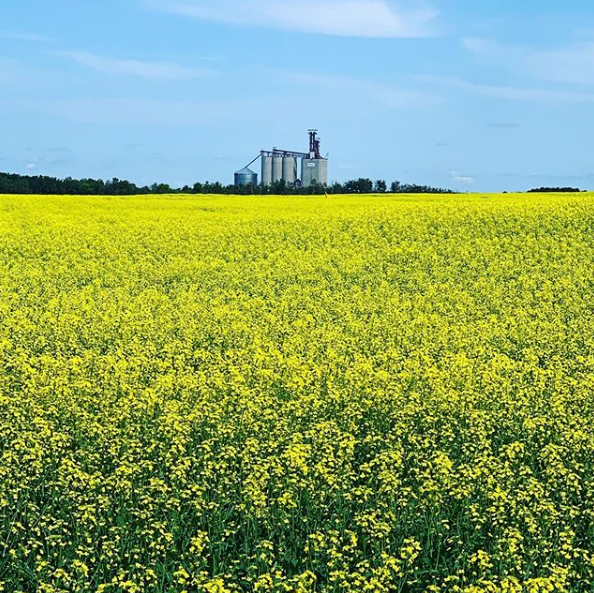
As a grower of red lentils, yellow peas, wheat, and canola here in Canada, I worry about both conflicts. Yet the second one causes me more concern because it could deform the future of trade and technology well beyond the end of Trump’s presidency.
Canada depends on agricultural exports. They’re worth $67 billion per year. Our ability to sell our crops and food products abroad is essential to our whole economy.
The planet depends on us, too. Canada is the top exporter of canola (about 60 percent of global trade), lentils (40 to 50 percent), dry peas (35 percent), and other products, including oats, flax, and mustard. We’re also a leading supplier of wheat and soybeans. These foods and ingredients are essential to world food security. To quote Norman Borlaug “If you desire peace, cultivate justice, but at the same time cultivate the fields to produce more bread; otherwise there will be no peace.”
Yet we’re held back by EU regulations that treat science with skepticism. A new report from Canada Grains Council puts it plainly: “Much agri-food trade remains precarious because of the unpredictable application of non-tariff barriers.”
These NTBs are bureaucratic barriers to the free flow of goods and services across borders. Advocates claim that they are necessary for safety and the environment, though in most cases these regulations are little more than the tools of old-fashioned protectionism—a way to limit market access, but outside the traditional restrictions of taxation and often in direct opposition to sound science.
Their most damaging effect is to limit innovation, making it harder for farmers in Canada and everywhere to produce food in a sustainable way.
Farmers depend on innovation. We need cutting-edge crops so that we can grow more food on less land in an era of climate stress. New breeding techniques already allow us to meet the challenges of our time. They’re boosting our yields, helping us fight weeds, disease and insects, while improving our resilience as we endure droughts, frosts, and more. They’re a gift that helps farmers and consumers alike.
They’re also grounded in a common-sense approach to risk assessment. Nothing becomes available to me as a farmer without scientific scrutiny and regulatory approval.
Everything I grow is safe. If it were not, I would refuse to grow it. My family has lived on this land for 5 generations. We are the stewards of it. We eat the food that we and our neighbour’s grow. I’d never put our health in jeopardy.
Many NTBs involve crop protection. Yet banning these tools makes no sense from a scientific standpoint. The ones we use are fully vetted. The alternative to them is more agricultural tillage, which would rip up the soil, encourage erosion reminiscent of the dirty thirties, and force us to burn more fuel in our tractors.
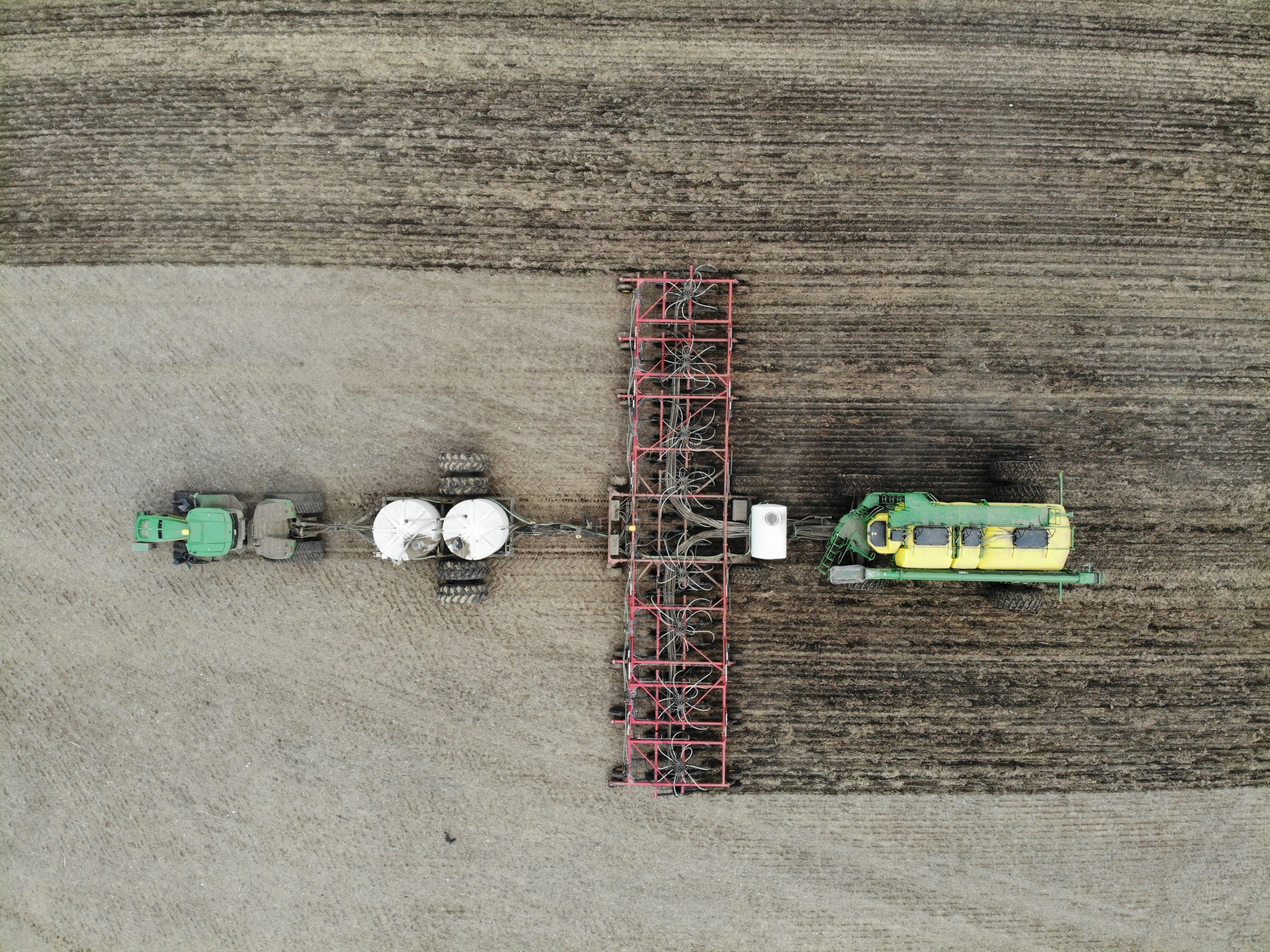
Worst of all, with increased tillage we’d lose moisture. Rainfall is already our most yield limiting resource on Canada’s dry plains. Crop-protection products help us conserve it—so much that perhaps we should rebrand them as “water-conservation products.”
Yet the problem with NTBs is bigger. When the EU and other key markets impose regulations that ignore science, they confound farmers who must make planting and growing decisions as well as researchers who seek to improve food production through the variety development of gene editing and other 21st-century breeding techniques.
NTBs hurt food production and the environment today and they reject the breakthroughs of tomorrow.
The Canada Grains Council recommends diplomacy, including the creation of “a coalition of like-minded countries to safeguard science/risk-based regulation.”
That’s a good start. Let’s stop this trade conflict before it becomes a forever war against innovation.