Life is full of surprises—but President Trump’s decision to impose tariffs on imports isn’t one of them.
We knew the tariffs were coming. We’ve known it for a long time.
President Trump applied tariffs during his first term. He campaigned on them as he sought a second term last year. Now he’s doing exactly what he said he would do.
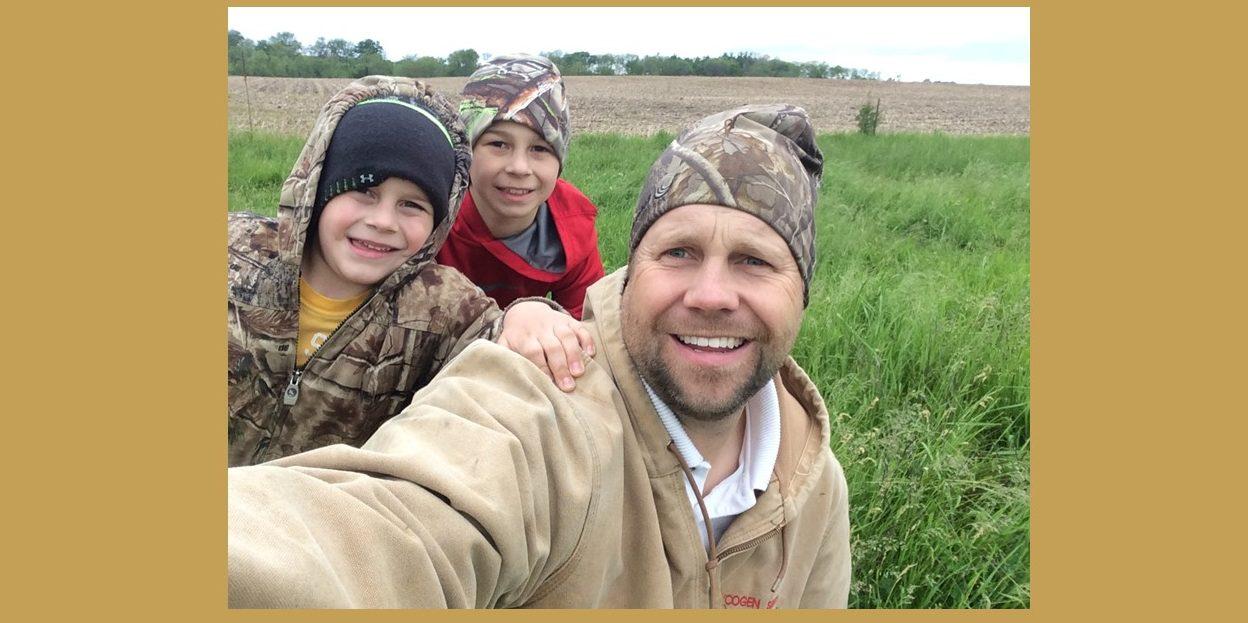
As a farmer in Iowa, I wish I could have this much certainty about every other aspect of my business.
Growing crops requires a lot of forward thinking. I have only one harvest per year. In my adult life as a farmer, I may get just 40 or 50 attempts to seed in the spring, nurture my plants as they grow during the summer, and then bring them to market in the fall.
Amid this familiar rhythm, we face constant surprises. Many of them are threats and disruptions. We have no way to predict them and a single chance each year to make sure our crops flourish.
Our biggest uncertainty is the weather. Will my corn and soybeans benefit from enough rainfall? Or will they suffer from a drought? We won’t know the answer until we’re living through it.
We plan as well as we can. Biotechnology is one of our best tools, because the crops we grow today often have special traits that allow them to resist drought. They also fight weeds and pests like never before.
Yet we always must adapt. During a wet year, we manage standing water and fight fungal diseases. During a dry year, we look for additional ways to conserve moisture in the soil.
I wish I could know what conditions will prevail in 2025—but weather forecasting, even though it has improved a lot, still can’t tell me if we’ll have sunshine or storms next week, let alone what to expect in July.
Other uncertainties include war. When Russia attacked Ukraine three years ago, for example, its invasion shocked global supply chains. This affected agriculture everywhere—even yam prices in Nigeria.
Something similar happened recently with egg prices, which soared as avian flu devastated chicken populations around the United States. Prices are starting to stabilize again, but nobody really anticipated the scale of the problem that we’ve now witnessed.
Farmers try to prepare for anything and everything, but the truth is that we never know what to expect from the weather, war, and viruses that can spread rapidly.
Our newest challenge is President Trump’s preference to use tariffs as a negotiating tool. The details seem to change daily, involving various products and countries plus new threats and deadlines. Some nations have retaliated. Others are taking a wait-and-see approach. It’s hard to keep track of everything.
I’m hopeful about some of the short-term results, especially if President Trump achieves important goals, such as when he compelled Colombia to take back deportees who had broken U.S. immigration laws. Perhaps his toughness on trade also will reduce the flow of fentanyl coming across the southern border. It looks like it may bring a boom in domestic copper mining.
At the same time, like most farmers, I’m for fair trade. A lot of what I grow ships overseas. As much as one third of my soybeans float down the Mississippi River, headed for foreign customers. Most of my corn stays here in the United States, though global markets shape our prices. I also have a small herd of cattle. The domestic demand for beef is strong, but a lot of byproducts go abroad.
I also depend on imports. Crops need fertilizer, and a key component to fertilizer is potash, which provides potassium. For American farmers, most of the potash we use comes from Canada—and a lengthy trade war could cause the price of this essential input to skyrocket.
I’m worried about that. Yet I also bought the fertilizer that I’ll use in 2025 long ago. It’s a risk management strategy I use on my farm. Whatever happens with potash over the next few months won’t affect my next harvest.
My farm will adapt as it must, and we’ll see where things stand in 2026.
In the meantime, I can tough out a trade war that I knew was coming.