When conversations about agriculture take place—whether in conferences, boardrooms, or aid discussions—the farmer’s voice is often the one missing. With all the aid that flows into Africa, very little directly supports the boots on the ground: the farmers themselves.
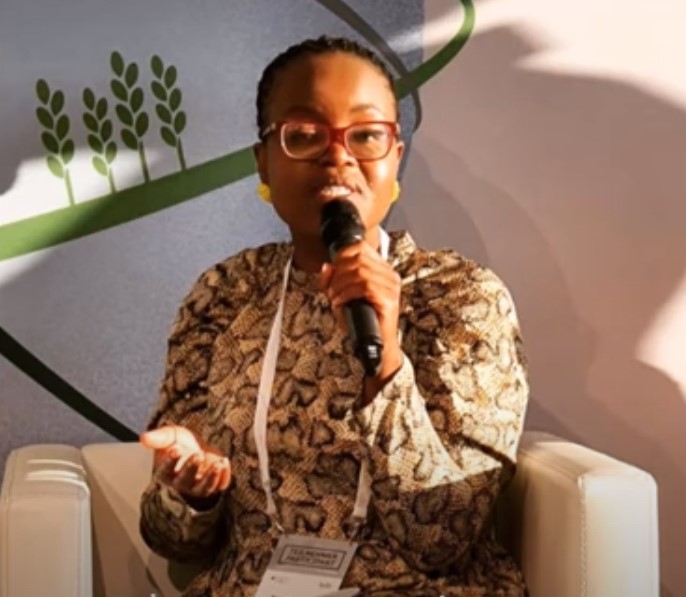
As a farmer, I am always struck by how invisible real farmers can be in these spaces. Many people speak on behalf of the farmer, yet the most authentic and valuable perspective is that of the farmer in the room. If we want meaningful change, we cannot achieve it while excluding those most impacted by climate change, increasing pest pressure, lack of access to machinery, and other daily realities.
When I joined the Global Farmer Network in 2016, I gained access to knowledge and experiences from farmers around the world—some with six generations of farming behind them. That exchange has been invaluable. It convinced me that scaling opportunities for global farmers to meet and learn from one another is critical.
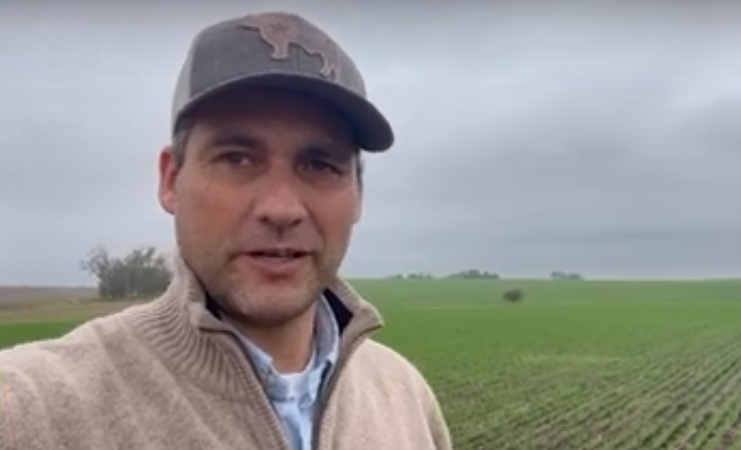
Today, I am an advocate for no-till farming because of farmers like Gabriel Carballal from Uruguay, who showed me it was possible. Others invested 50 years of farming experience so that a farmer like me in Zimbabwe doesn’t have to wait another 50 years to learn the same lessons.
The farmer’s voice is not just important—it is essential. If we want agriculture to grow, adapt, and thrive, the farmer must not only be present in the room but heard.