our French fries at McDonald’s may come from my farm in southern Alberta.
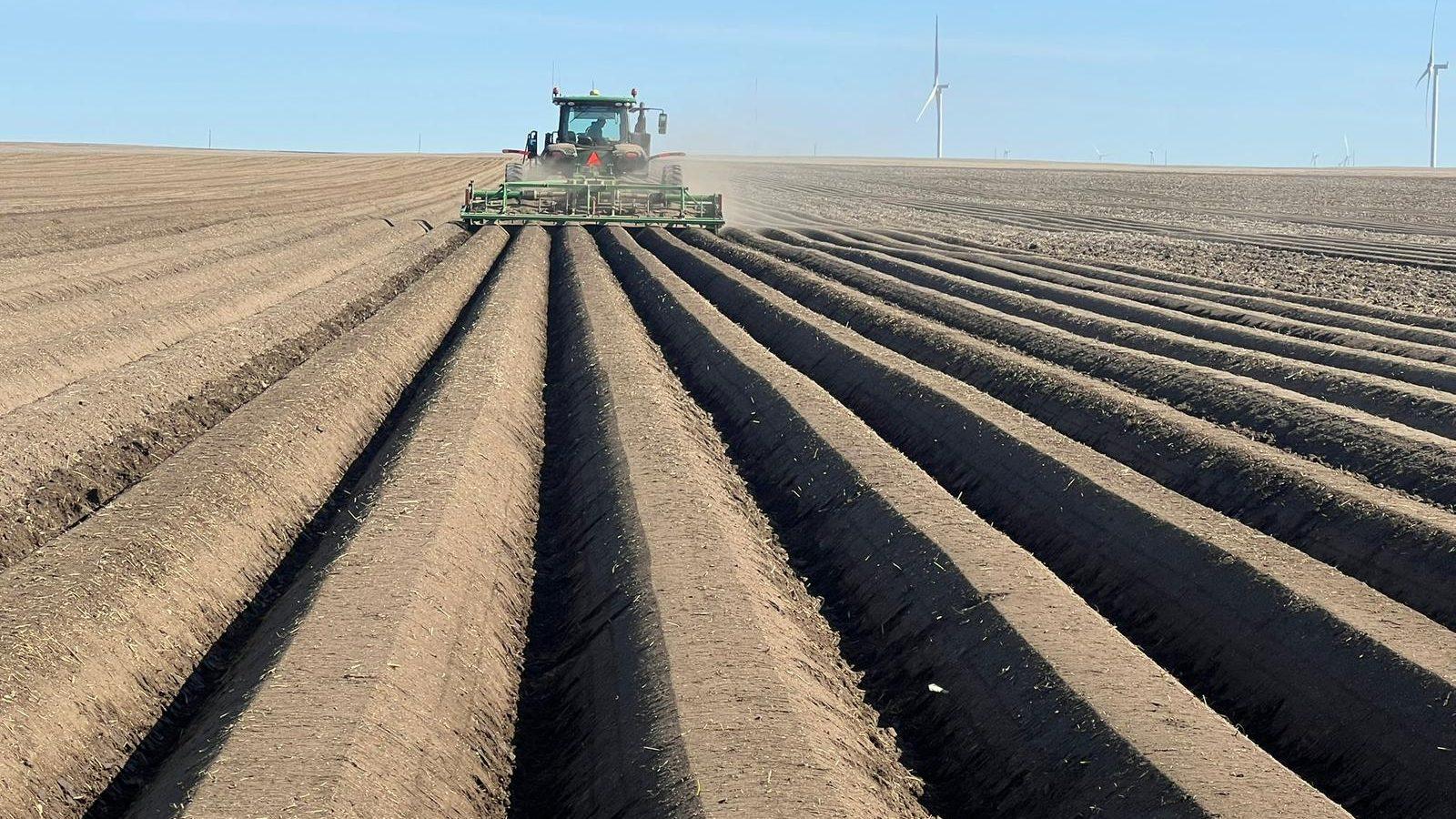
Potatoes are a great fit for our farm and this region for several reasons. First, the region has the ideal combination of heat units, irrigation access, and light, sandy soils that are conducive to potato growth. Southern Alberta also has a robust infrastructure surrounding potato production, including research support, nearby processors and a community of experienced growers.
The result is an iconic food: crispy on the outside, fluffy on the inside, and familiar around the world.
And behind every French fry is a farmer like me.
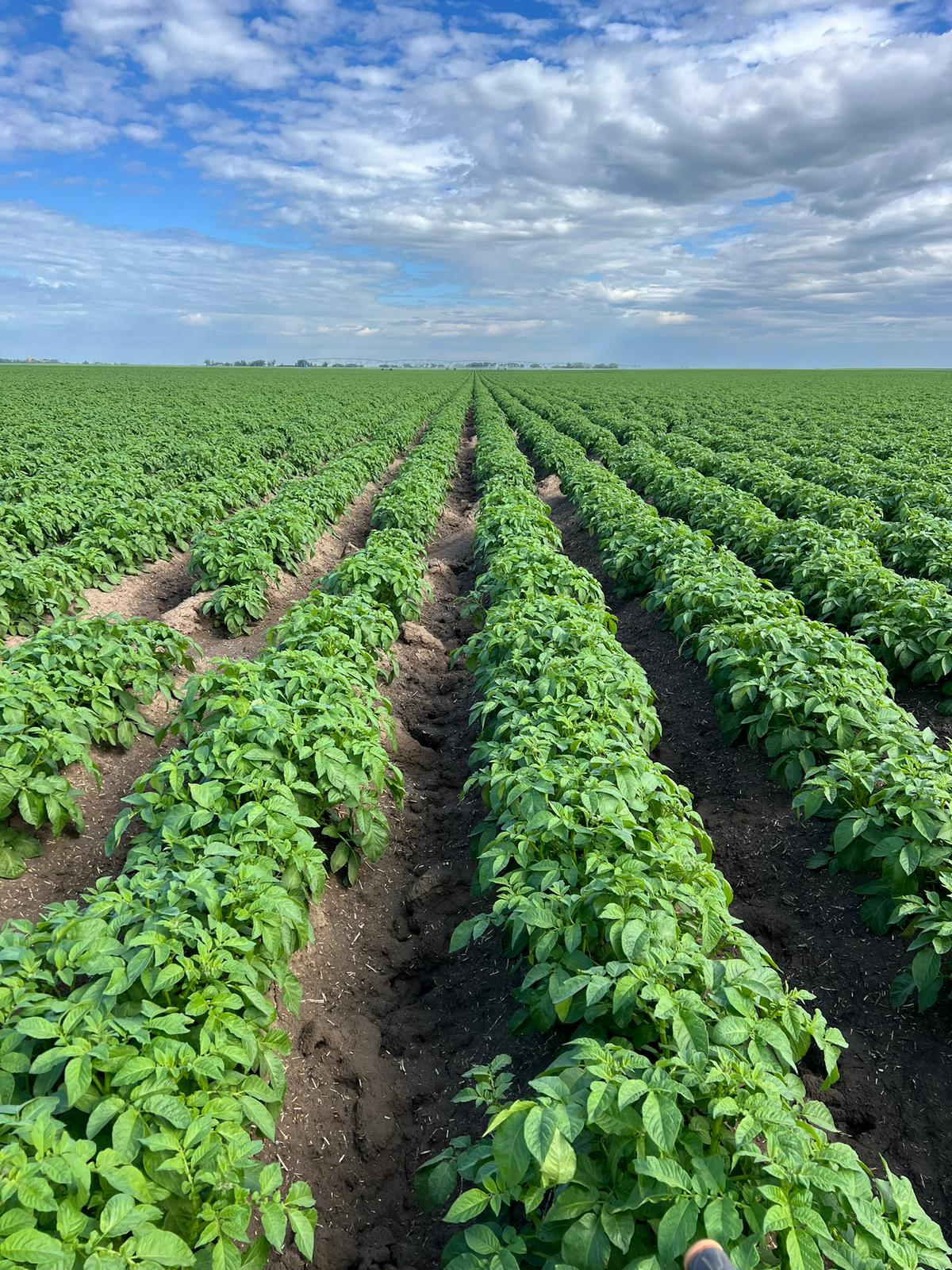
A lot of work and thought goes into these thin and long strips of deliciousness. Before people can enjoy them, however, farmers must confront and overcome a series of challenges before customers can enjoy a bite.
For one thing, potatoes are a specialty crop. We grow a lot of them on our farm and they’re important to our business.
Even so, potatoes require a lot of attention. Success calls for precision, timing, and a deep understanding of the soil and season. It can take more than a hundred days to grow a potato that is the ideal size and quality for French fries. On our farm, we can count on only 120 frost-free days. This leaves us little room for delays or mistakes. We must stay sharp to do well.
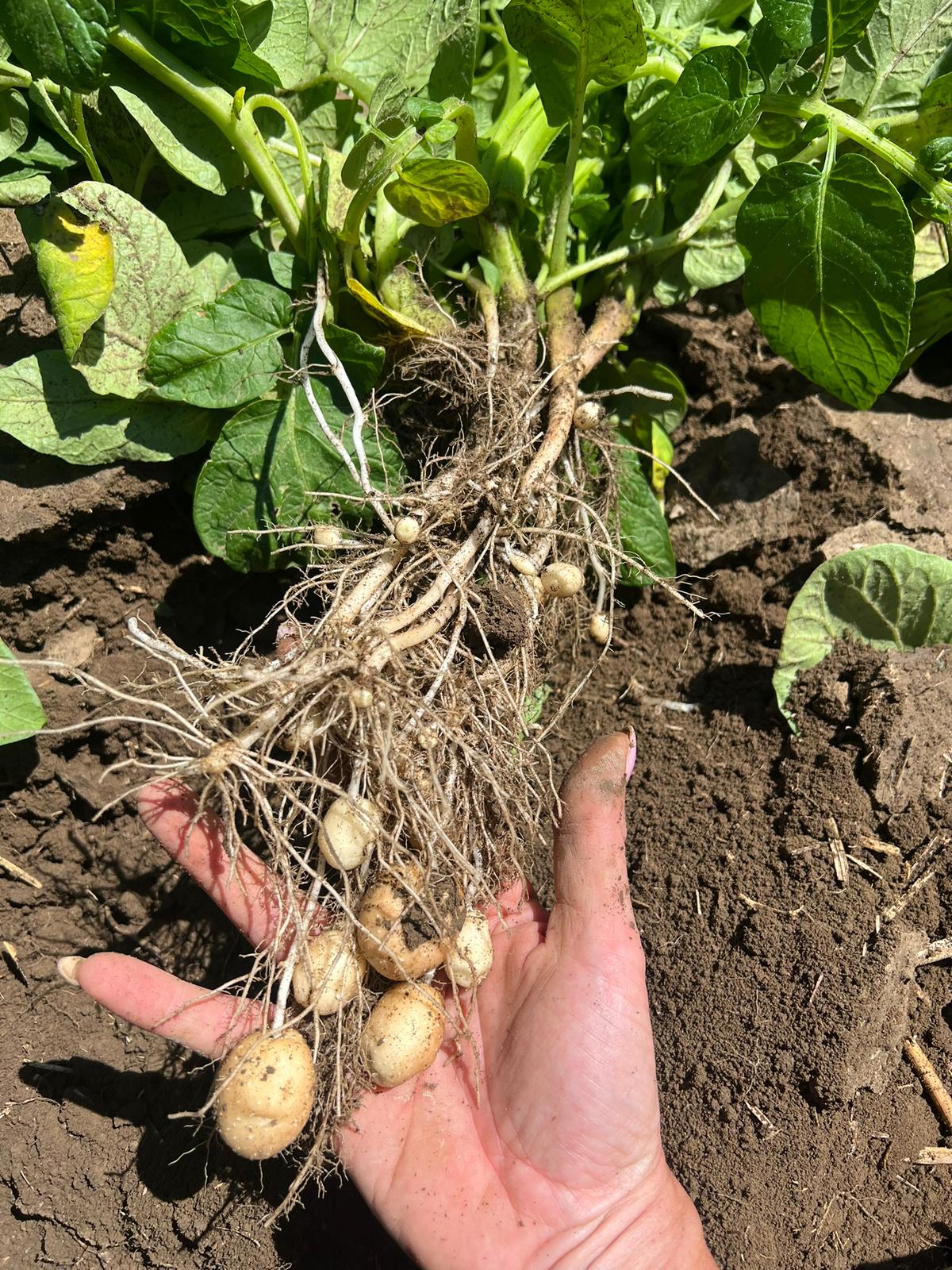
On the plus side, we benefit from a good number of days that are warm enough for our potatoes to grow, access to water for irrigation, and the light soil that potatoes prefer. We produce high-quality, high-yield potatoes with useful traits for transportation and storability. We’re surrounded by a robust infrastructure of processors who can clean, peel, cut, freeze, and package. We also have research support and live in a community of experienced farmers who collectively know just about everything there is to know about potato production.
Potatoes are an ancient crop, indigenous to the Americas. The oldest cultivated versions are from Peru. From the Andes Mountains, they spread everywhere. Today, they are one of the world’s staple foods. They come in thousands of varieties, but most of the potatoes on our farm and the rest of North America are a type called “Russet Burbanks.”
A russet has a dark brown skin on the outside and a white flesh on the inside. The name “Burbank” comes from Luther Burbank, a plant breeder who developed it to resist disease.
What this means is that while many people regard potatoes as simple tubers that grow in the ground, the most common variety is the result of innovation and entrepreneurship.
The Russet Burbank is the gold standard because of its size, shape, and fry quality. Its French fries are long, uniform, and ready to crisp up perfectly. That’s what McDonald’s and its customers demand. That’s why we grow it.
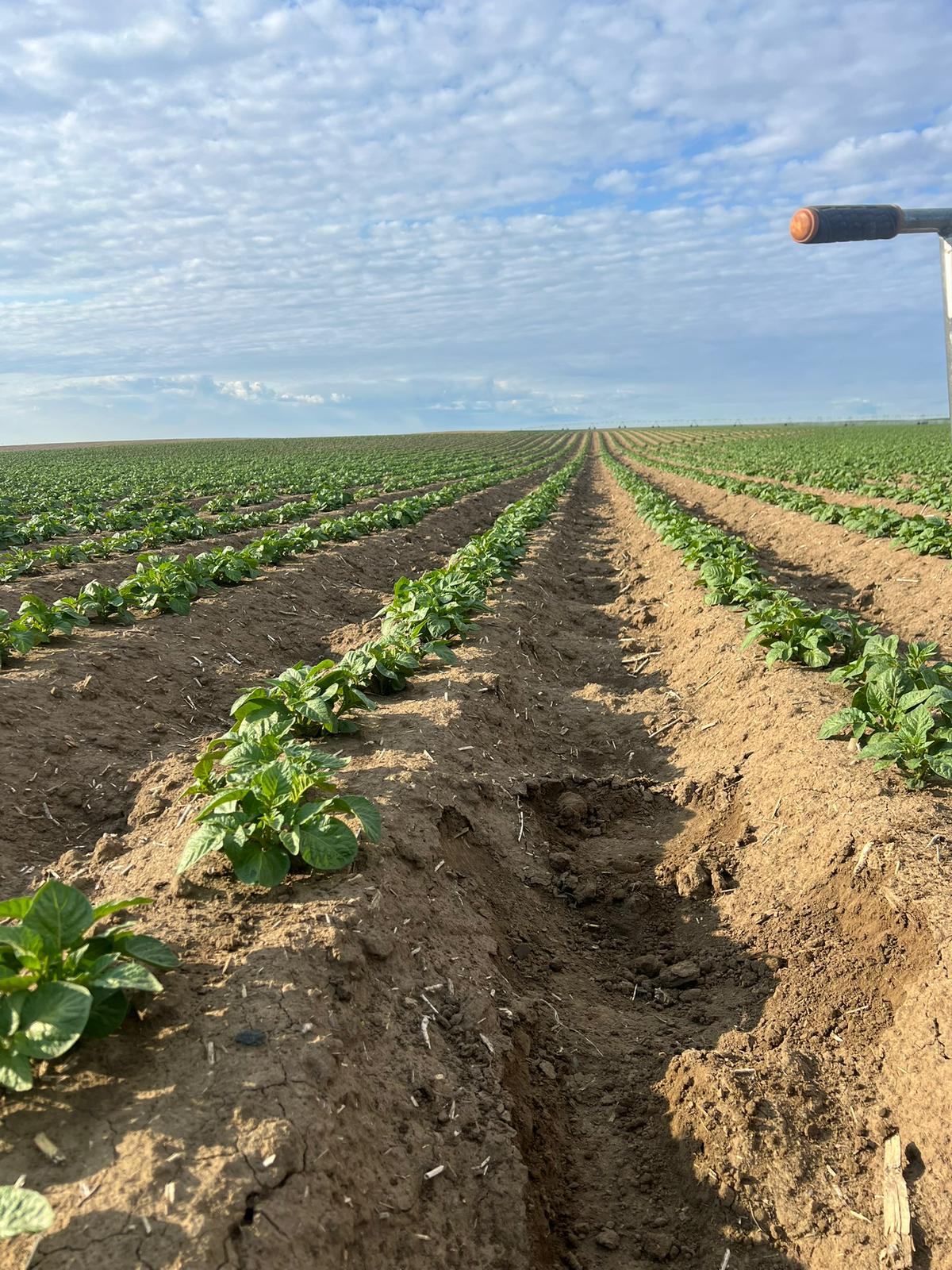
Our business is global. We rely on exports to the United States and elsewhere. About a quarter of our potatoes ship all the way to Asia. This means we depend on the science of storage. Before potatoes become French fries, they must stay cool for long stretches of time as they find their way to processors, move long distances, and show up in restaurants everywhere.
Trade wars and tariffs are always a threat. They make it harder and costlier to transport potatoes. They hurt the profitability of my farm. They make food more expensive for consumers.
Our biggest challenge is the weather, and we must adapt to its uncertainties. Our potatoes are sensitive to heat and cold as well as drought and too much moisture. Hailstorms are the worst. Although potatoes grow underground, they rely on stems and leaves that reach for the sun.
A bad hailstorm can flatten a field.
We have ways of coping with just about everything, but we’re always striving to improve—and there are many ways we could do better. We need investment in disease resistance, better predictive tools for managing risk, and a stable policy framework that balances environmental goals with economic viability.
All the while, we take pride in knowing that what we grow in rural Alberta can wind up your next order at McDonald’s.