A student recently asked me two powerful questions that capture the future of farming and artificial intelligence: “Sir, can AI help us grow rice with less water? If yes, then why should we fear the future?”
I appreciate his optimism -and he is right. His questions reflect the wisdom we need today.
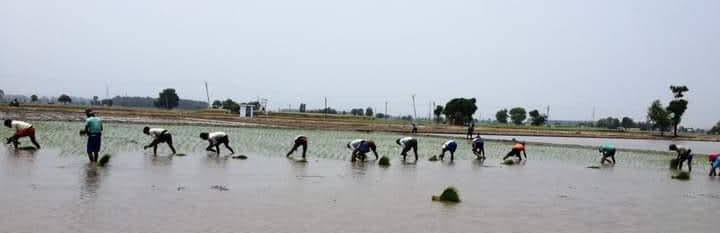
If AI can help us grow rice with less water—and it certainly can—then AI should make us excited about the future, not fearful of it.
Yet this perspective is not widespread. Globally, people are more anxious than enthusiastic about AI. A Pew Research Center survey across 25 countries found people were roughly twice as likely to express concerns about AI than excitement. Ironically, some of the strongest concerns come from the United States, the very country leading much of then AI innovation.
In India however the conversation feels different. Especially In rural areas, we don’t fear that AI will take our jobs. Instead, we see AI as a support system, a tool that augments our work, not replace it. AI is more likely to create new roles – in data collection, machine operation, crop monitoring, digital advisory services, and precision agriculture.
In short, we see AI as an assistant, not a threat.
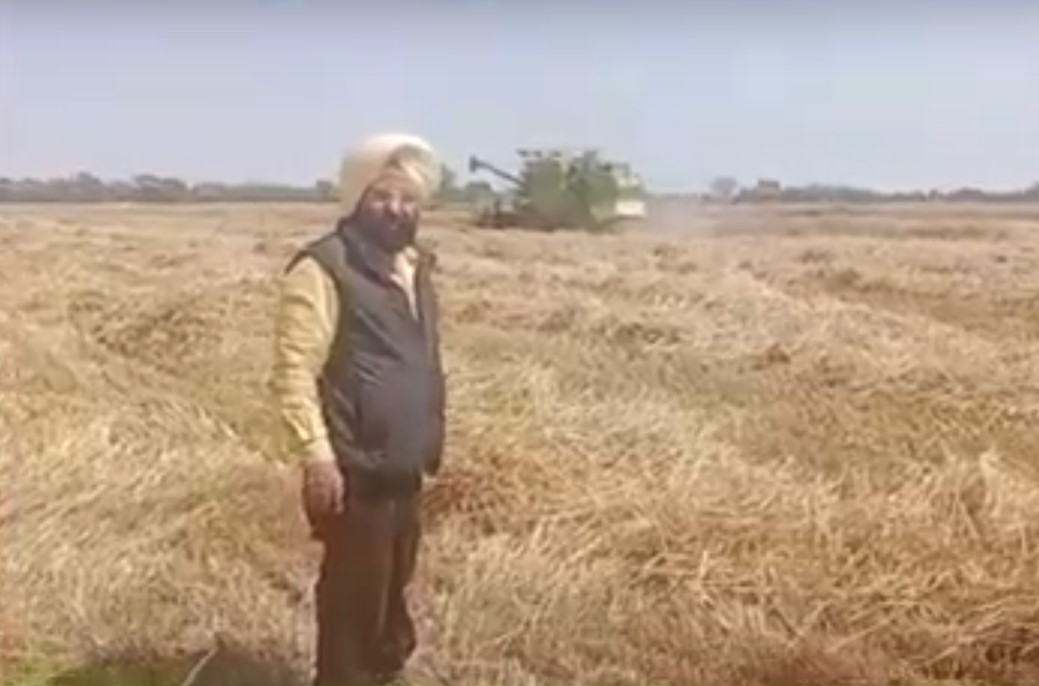
I’m already using AI on my 25-acre family farm in Punjab. We recently finished our rice season and are now growing wheat for food, producing high-quality potato seed for other farmers, and cultivating corn for silage.
In our rice paddies, AI-powered sensors guide irrigation, helping us conserve water. In our potato fields, AI-connected sprinkler systems analyze real-time data to optimize irrigation and fertilizer application.
In both crops, AI has given us clear benefits: we grow more using fewer resources. And this is just the beginning. AI-enabled tools and small robotic implements will soon support farmers in spraying, weeding, and scouting for pests and diseases. They will provide timely information about prices and markets and help us navigate labor shortages.
What AI will not change is the farmer’s fundamental role. We will always plant seeds, care for crops, and harvest food. Our traditional knowledge will remain vital. But AI will increasingly enhance our decision-making and efficiency.
I often say the farmers of the future won’t just operate machines. We will also operate data. And AI will help us convert that data into practical knowledge and insights.
For example, a simple image taken with a smart phone can now detect nutrient deficiencies, pests, and plant diseases.. A young farmer recently told me: “We used to lose precious days waiting for experts to visit. Now AI tells me the problem and solution in minutes.”

As Global Farmer Network colleague V. Ravichandran says it perfectly: “I have a plant doctor in my pocket.
With AI, Indian agriculture can achieve higher and more stable yields, reduced chemical usage, healthier soils, climate-resilient cropping patterns, and overall improved sustainability. Most importantly, it strengthens food security for the world’s most populous nation, home to roughly 1.5 billion people.
AI is not a robot replacing farmers. It’s a decision-support tool. Jobs will evolve, not disappear. We will still need farmers to collect data, operate machines, monitor fields and convert AI insights into real-world improvements.
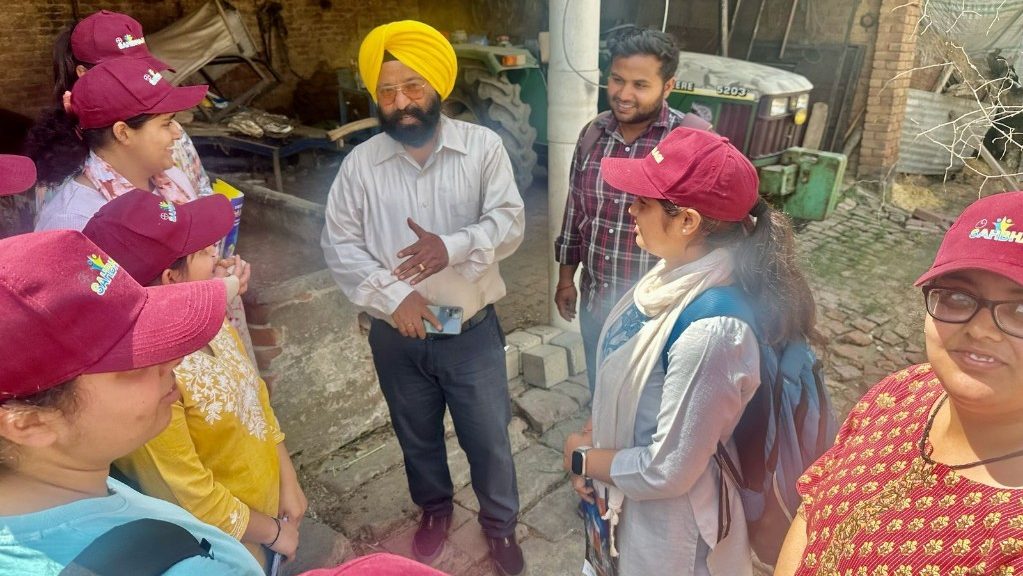
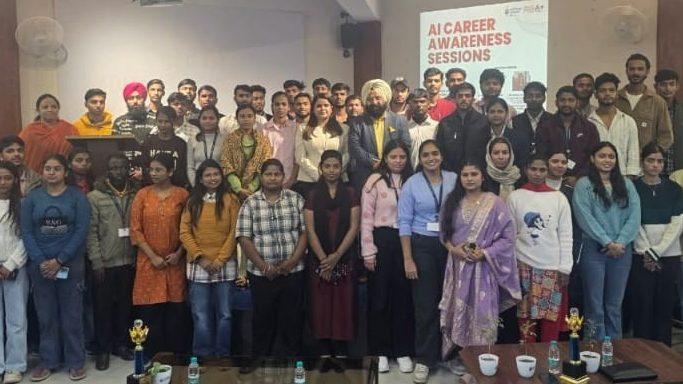
This potential is already drawing young people toward agriculture. During a recent AI-training program at a rural school, I saw tremendous enthusiasm, especially among the girls. They were confident, curious, and ready to embrace this new era.
Our future farmers are teaching us something important: The partnership between human intuition and machine intelligence is not something to fear. It is something to welcome with confidence and hope.