Dean Kleckner once gave me an award. Its purpose was to recognize a promising young farmer here in Iowa. I was grateful to receive it at the time and remain so today.
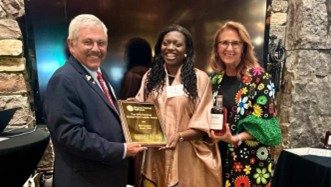
Now I’m an older man, and I’m humbled to be recognized with a new award. Dean is gone, but the award is named after him: the Kleckner Global Farm Leader Award, presented by the Global Farmer Network each year around World Food Day.
This is one of the great honors of my life.
Dean was one of my farming mentors. He was an outstanding farmer, but he was even better as a farm leader, serving as the head of state and national organizations.
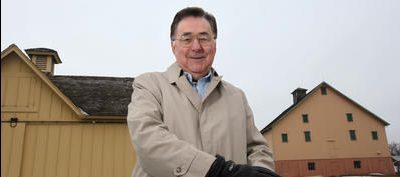
He didn’t teach me about the methods of farming as much as he taught me about the responsibilities of farmers—and how we should open our farms to guests, so that we can exchange information, transfer knowledge, and promote the best agricultural practices.
Like so many farmers, I’ve always enjoyed trying new techniques and technologies. My latest experiment involves beehives: The Couser Cattle Company now makes natural prairie honey. For me, this is more of a retirement hobby than an actual business, but I can’t stop myself from taking up new activities in food production.
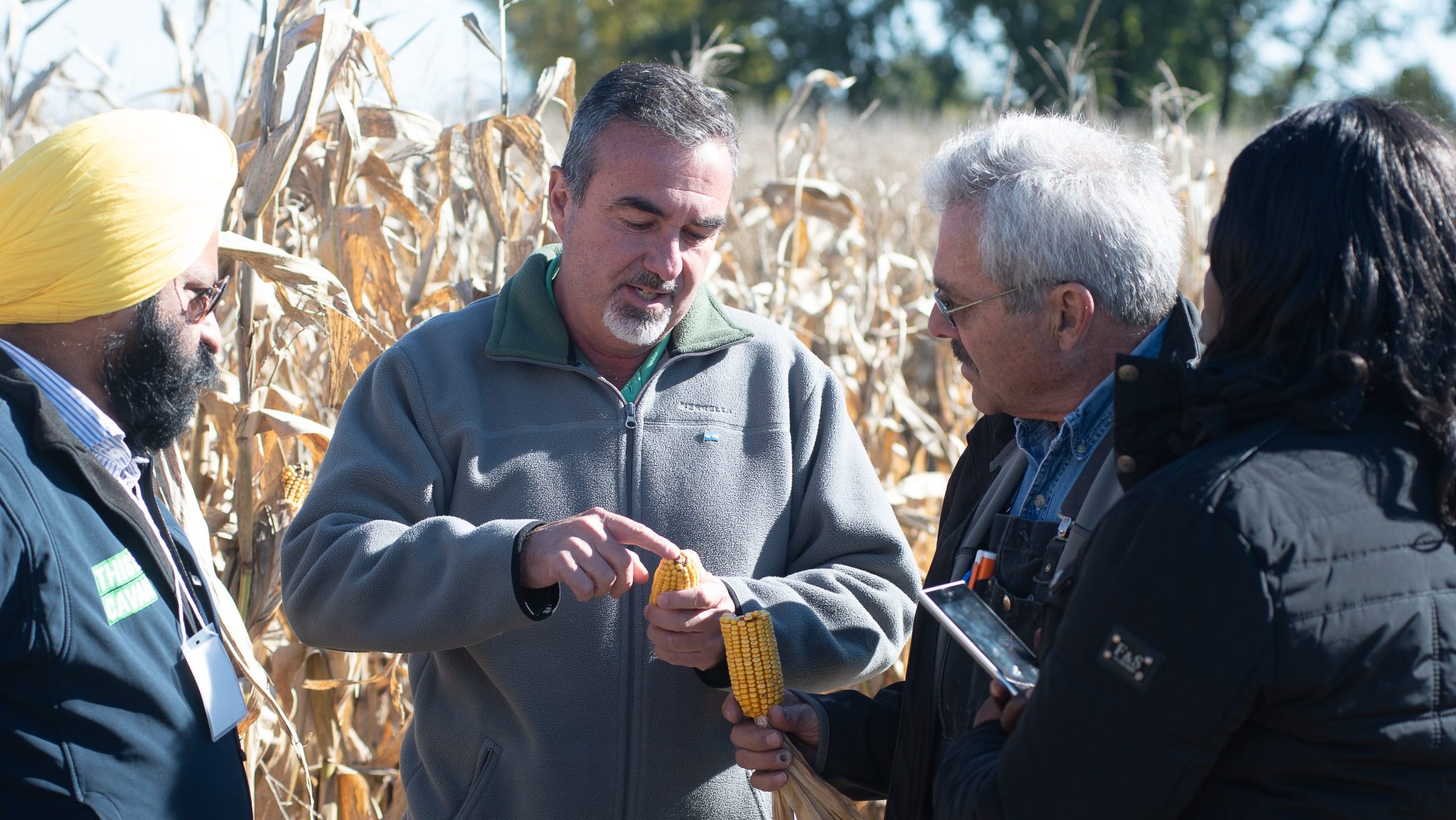
Dean urged me to share my farming experiences with others and showed me how to do it the right way. He’d bring groups to my farm, often from foreign countries. He knew how to engage them with questions and conversation as they checked out the equipment in my barns and the biotech crops in my fields.
One of the most important projects involved bringing cattle farms into the 21st century and its commitments to conservation and sustainability. The state of Iowa told us that we had a decade to clean up our feed lots. The goal was to reduce the amount of runoff that could ultimately drain into the watershed. The challenge for farmers was to commit to the future without going broke.
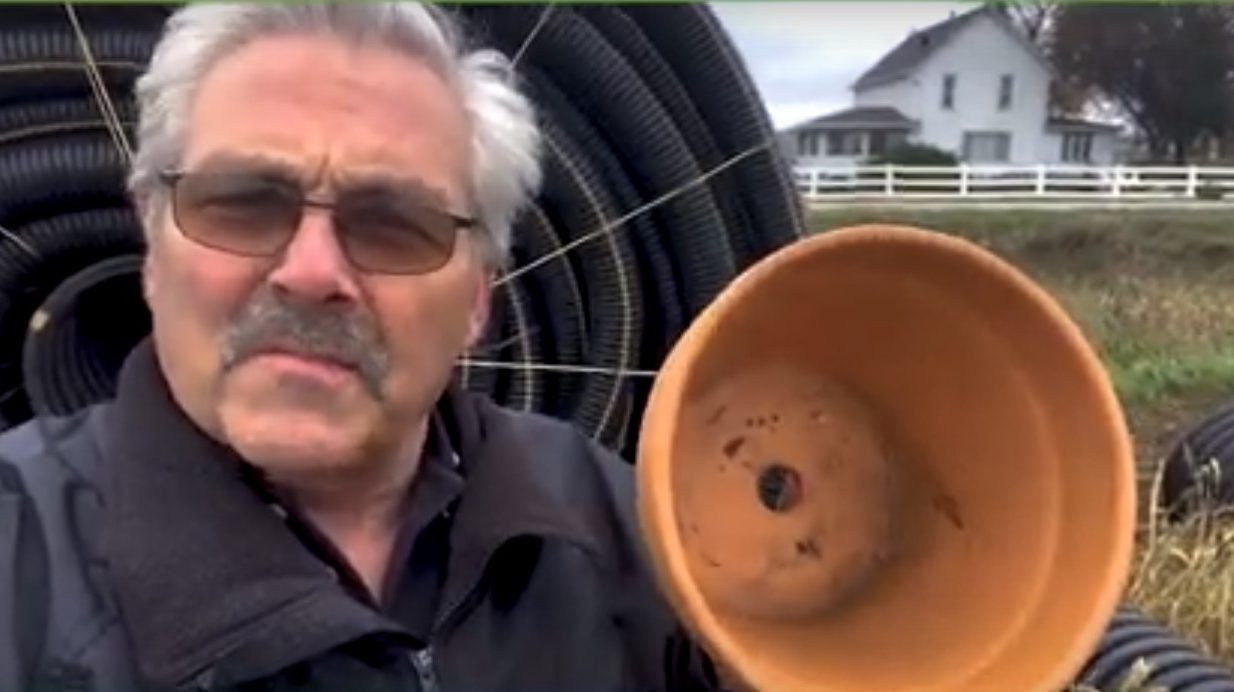
Our strategy went by the broad name of “alternative tech.” Our goal was to meet the new standards through cost-effective tiling, settling basins, and more. Our success showed that modest investments can have big payoffs.
Our farm became a kind of demonstration project. Dean was essential in spreading the word. Around Iowa, several dozen farms adopted alternative tech and they still use it today. I like to think that we made agriculture better.
Dean died ten years ago last summer—but I’ve kept on sharing what I have learned on my farm, with results that I never could have anticipated.
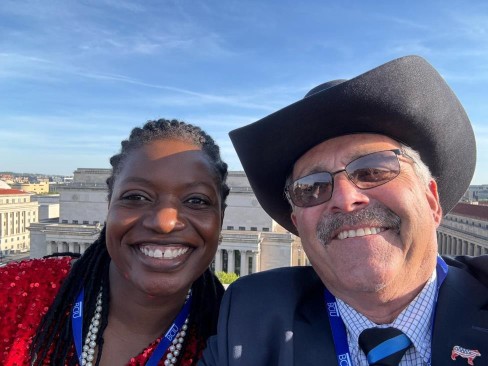
Patience Koku of Nigeria visited back in 2012. Today, she’s my colleague at the Global Farmer Network, but back then we were just getting to know each other. I sensed a kindred spirit—a fellow farmer who liked trying new things, even though her farm in Nigeria hardly could have been more different from mine in Iowa.
We developed a friendship and stayed in touch, and I occasionally helped with advice and support as she worked to improve her farm.
About two years ago, she put out a message on our WhatsApp group: Does anybody have a single-row no-till planter? She wanted to try it out.
As it happened, we had one on our farm, but we’d barely used it since the 1970s. Mostly it sat in a shed. In time it might have become a museum piece.
I told Patience that she was welcome to it and asked her how she wanted it shipped. She replied that she couldn’t afford the shipping cost, but that if I could dismantle it and put it in a couple of suitcases, she’d pick it up on her next visit to Des Moines for the World Food Prize.
I did what she asked, taking the planter apart and stuffing it into a pair of suitcases. Patience checked the suitcases as airline baggage. On her farm in Nigeria, she rebuilt the tool and attached it to a small tractor. She’s planting grain without disrupting the ground, using the no-till methods that around the world are protecting soils from erosion.
That’s just one story among many, though it may be the wildest—and they all go back to Dean Kleckner, who once thought I showed potential.
It pleases me to think that I may have lived up to his expectations, and it pleases me even more to accept an award named for one of the farmers I’ve most admired.