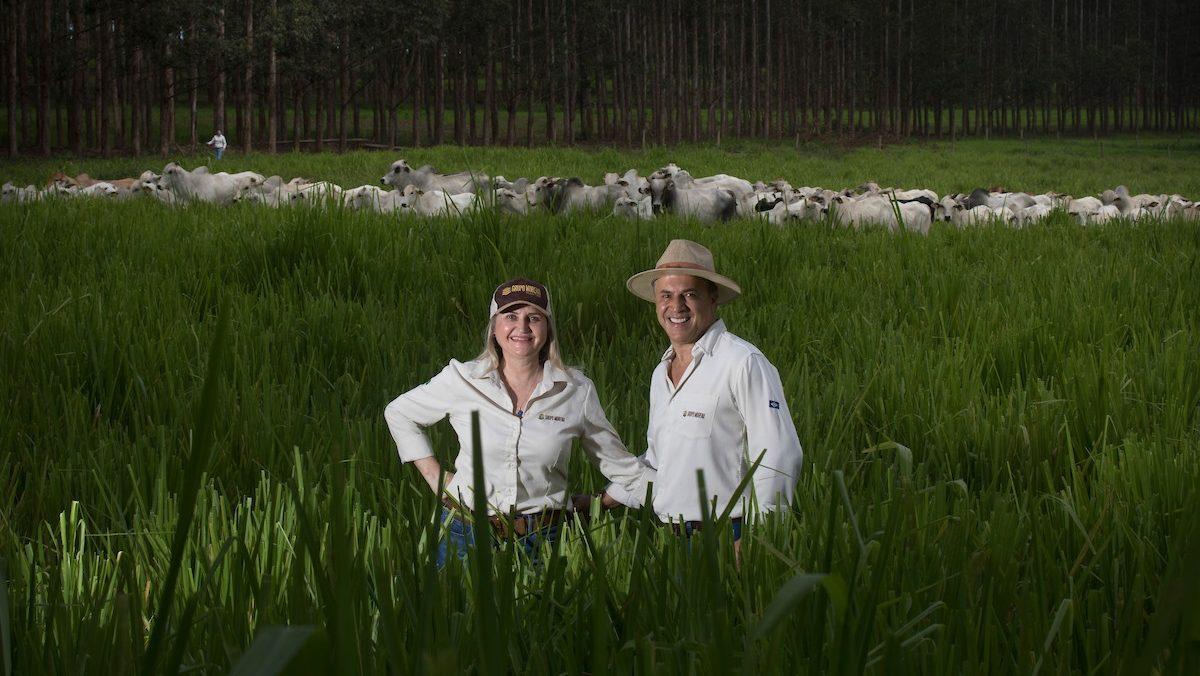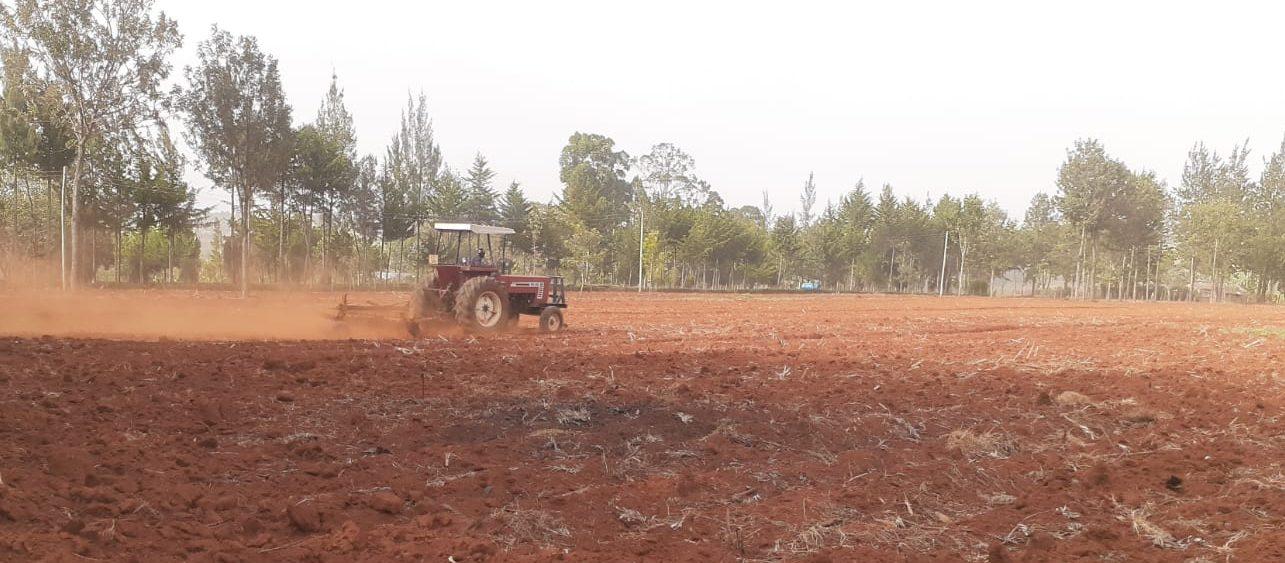
My farm in Nigeria exports nothing to the United States—but like many African farmers, I’m worried about the threat of a global trade war because it’s going to hurt everyone.
If I were granted a 10-minute audience with President Trump, I would share a simple message: Your tariffs harm Africans today, and they will harm Americans tomorrow.
Then I’d add one more thing: African farmers are not America’s competitors but rather your customers, now and in the future.
This global trade disruption can significantly shift international supply chains. It changes ordinary market flows in ways that impose big costs on farmers and consumers.
Let’s start with the iron law of supply and demand. Many African farmers rely on American customers for their livelihood. If tariffs cause coffee, cocoa, cashews, and other products to become more expensive, Americans will consume less of them and African farmers will lose revenue.
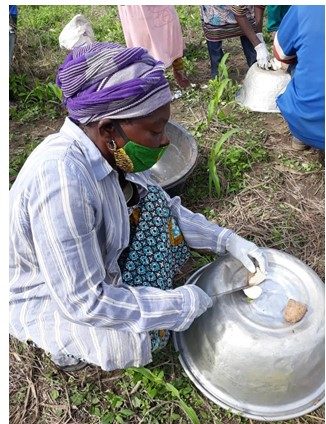
Yet there’s more. Trade wars always have unintended and unpredictable consequences. Here in Nigeria, we saw this three years ago, when Russia invaded Ukraine and pushed up the price of yams. Russia and Ukraine’s failure to export wheat from a warzone led people to look for other food sources. The ripple effect forced a staple of African diets to become more expensive.
Americans also will pay a price for a global trade war. As coffee becomes more expensive due to tariffs, they’ll pay more for the same things. There’s no way around this because except for Hawaiians, Americans don’t grow their own coffee—and even with Hawaiian coffee production, they can’t come close to meeting the domestic demand.
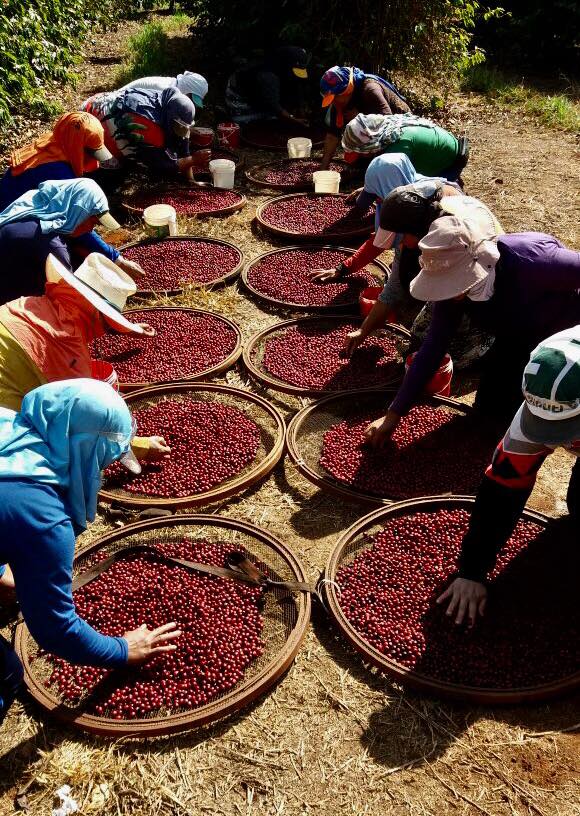
If tariffs were to change only the price of coffee, Americans might just shrug it off. Prices go up and down all the time due to climate change, drought, disease, and more.
Yet these tariffs are about more than caffeinated drinks. They aren’t even limited to food and agriculture. They’re about almost everything that crosses a border—and the costs of these border taxes will add up relentlessly.
It’s almost impossible to keep track of the daily details of U.S. protectionism, as President Trump announces and delays tariffs, and judges weigh in with a variety of legal rulings. For Africans, however, the new tariffs are substantial. Right now, Nigerian products face border taxes that range between 10 and 30 percent. America’s largest African trade partner is South Africa, and its taxes are more than 30 percent.
It's hard to make precise calculations, but Americans will also see expenses rise. According to one estimate, the tariffs on Canada, Mexico, and China—America’s top three trading partners—will “amount to an average tax increase per U.S. household of $1,155 in 2025 and $1,397 in 2026.” These costs will increase as they account for tariffs on the EU, Latin America, and Africa.
The trade war also will ruin attractive opportunities. African farming has nowhere to go but up, as the continent is currently home to 60 percent of the world’s uncultivated land. As the global demand for food rises, the United States and other nations will need to rely on this untapped resource. For this to happen, Africa must have a healthy agricultural sector that produces income through exports. Taxing those exports with new tariffs is counterproductive.
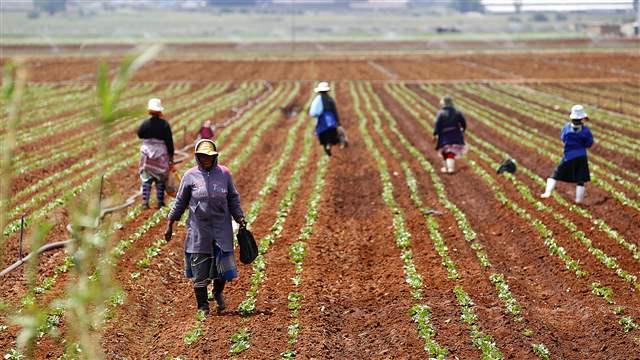
Flourishing farms in Africa want U.S. products such as machinery, seeds, and other forms of technology. This is potentially a robust market for Americans—but only if they see Africans as trading partners rather than as economic foes.
When African farmers thrive, they can deliver additional benefits, including more political stability that reduces violent conflict and uncontrolled migration. Moreover, if the United States retreats from economic engagement, its influence in Africa will fade. Inevitably, China will fill the gap, creating new national security concerns and economic worries for Americans.
The solution is to set aside the tariffs and the threats and return to trading the goods and services that both Africans and Americans want and need.
African farmers are ready. What we need now is partnership, not punishment. Smart, fair trade is true leadership.