 Like many African countries, Kenya was a late adopter of GM technology. We resisted these innovations for a long time, partly because we failed to follow the science that showed they were safe. Instead, we listened to loud voices who were determined to stoke fear in the public for political advantage.
In recent years, however, Kenya decided that it no longer could ignore the GMO revolution. We began field trials of GMO crops. Then we commercialized GMO cotton. A little more than a year ago, we planted it for the first time, in the western part of the nation.
Like many African countries, Kenya was a late adopter of GM technology. We resisted these innovations for a long time, partly because we failed to follow the science that showed they were safe. Instead, we listened to loud voices who were determined to stoke fear in the public for political advantage.
In recent years, however, Kenya decided that it no longer could ignore the GMO revolution. We began field trials of GMO crops. Then we commercialized GMO cotton. A little more than a year ago, we planted it for the first time, in the western part of the nation.
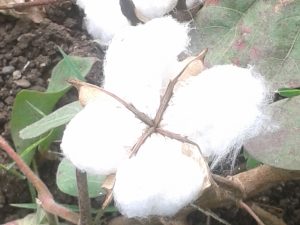 The results have been amazing: The average yields of GMO cotton were twice that of non-GMO cotton. Farmers vowed never to go back to non-GMO seeds. Furthermore, agricultural officers from the regions that have planted the first Bt cotton crop in Central and eastern Kenya report "GM seeds grow faster than the conventional variety and has more branching, hence more bolls which will result in more yields."
This is the common experience of farmers who have taken up GMOs. Seeing the incredible results with their own eyes makes a huge difference.
Today, farmers in all parts of Kenya are planting GMO cotton---and the rains of early 2021 are allowing the crop to perform beautifully.
The Tanzanians won't witness this within their own borders, owing to the government's regrettable decision to ban everything having to do with GMOs.
"We can't go on this way," says Mkenda.
But this is exactly backwards. Tanzania can't afford to go on the old way. Banning GMO research is certain to hurt rather than help Tanzania's farmers and consumers.
The results have been amazing: The average yields of GMO cotton were twice that of non-GMO cotton. Farmers vowed never to go back to non-GMO seeds. Furthermore, agricultural officers from the regions that have planted the first Bt cotton crop in Central and eastern Kenya report "GM seeds grow faster than the conventional variety and has more branching, hence more bolls which will result in more yields."
This is the common experience of farmers who have taken up GMOs. Seeing the incredible results with their own eyes makes a huge difference.
Today, farmers in all parts of Kenya are planting GMO cotton---and the rains of early 2021 are allowing the crop to perform beautifully.
The Tanzanians won't witness this within their own borders, owing to the government's regrettable decision to ban everything having to do with GMOs.
"We can't go on this way," says Mkenda.
But this is exactly backwards. Tanzania can't afford to go on the old way. Banning GMO research is certain to hurt rather than help Tanzania's farmers and consumers.
 Without GMOs, Tanzania's population will continue to suffer food insecurity, let alone compete in global markets. In the country's rural areas, 75 percent of the population depends on farming. Now these smallholder farmers will continue to suffer from droughts and pests such as the fall armyworm---a pair of threats that Tanzania's GMO research was trying to overcome.
The government has even halted research into developing a GMO variety of cassava, which is a staple crop in Tanzania and other parts of East Africa. Unfortunately, cassavas are vulnerable to the brown-streak virus, which can rip through fields and wipe out a season's worth of work. GMOs offer a potential solution—but now Tanzania has forbidden the field trials that give scientists a chance to defeat this terrible problem.
Bad decisions such as these are what keep Africa so far behind the rest of the world in food production.
Mkenda has tried to defend his denial of GMOs by citing "seed sovereignty," claiming that the adoption of GMOs would force Tanzanian farmers to buy seeds from foreign-owned companies. He seems to think that farmers store seeds from year to year, but that hasn't been true for a long time, at least among serious farmers. Today, we buy seeds for every season.
This isn't the first time Tanzania has banned GMO research. It announced a similar decision in 2018 and then reversed it the next year.
So perhaps Tanzania will change its mind again and embrace the technologies that are helping farmers grow more food on less land, as they strive for a system of sustainable agriculture that offers both abundance and conservation.
In the meantime, Kenya will continue to press ahead with GMOs. Tanzania can join us as soon as government officials like Dr. Mkenda realize their mistake.
Without GMOs, Tanzania's population will continue to suffer food insecurity, let alone compete in global markets. In the country's rural areas, 75 percent of the population depends on farming. Now these smallholder farmers will continue to suffer from droughts and pests such as the fall armyworm---a pair of threats that Tanzania's GMO research was trying to overcome.
The government has even halted research into developing a GMO variety of cassava, which is a staple crop in Tanzania and other parts of East Africa. Unfortunately, cassavas are vulnerable to the brown-streak virus, which can rip through fields and wipe out a season's worth of work. GMOs offer a potential solution—but now Tanzania has forbidden the field trials that give scientists a chance to defeat this terrible problem.
Bad decisions such as these are what keep Africa so far behind the rest of the world in food production.
Mkenda has tried to defend his denial of GMOs by citing "seed sovereignty," claiming that the adoption of GMOs would force Tanzanian farmers to buy seeds from foreign-owned companies. He seems to think that farmers store seeds from year to year, but that hasn't been true for a long time, at least among serious farmers. Today, we buy seeds for every season.
This isn't the first time Tanzania has banned GMO research. It announced a similar decision in 2018 and then reversed it the next year.
So perhaps Tanzania will change its mind again and embrace the technologies that are helping farmers grow more food on less land, as they strive for a system of sustainable agriculture that offers both abundance and conservation.
In the meantime, Kenya will continue to press ahead with GMOs. Tanzania can join us as soon as government officials like Dr. Mkenda realize their mistake.
Nominations are being accepted for candidates to the 2021 Global Farmer Network Roundtable and Leadership Training. Tentatively scheduled to be held in Brussels, Belgium during summer 2021, the next Roundtable date is dependent on when travel is allowed post COVID-19. Learn more about the event here.