Supermarkets are standing with farmers and against a destructive new tax here in the UK.
“Almost every major supermarket chain has publicly backed farmers in their fight against the government’s inheritance tax increase,” reports The Times.
The chains include Aldi, Asda, the Co-op, Lidl, Morrisons, Sainsbury’s, Tesco, and Waitrose.
They all agree that the government’s plan to impose a crushing inheritance tax on farm families will hurt everyone.
“The UK’s future food security is at stake,” warned Ashwin Prasad, chief commercial officer of Tesco, which is the UK’s largest supermarket chain—and the British agriculture’s single biggest customer.
He called for “a pause in the implementation of the policy.”
Last year, as our new Labour government was searching for ways to squeeze money out of the UK’s population, it decided to target farmers—and took aim at something called Agricultural Property Relief, which allows farmers to pass on their farms to their children without paying inheritance taxes, sometimes called “death taxes.”
Because the value of many farms is locked up in land and equipment, an inheritance tax would force many family farms to sell their assets—and thereby break up the generational transfers that have made family farming an important part of British culture and economy.
The proposal would impose a 20 percent tax on farms worth more than £1 million. By one estimate, the tax would hit three of every four commercial farms in the UK.
This isn’t a tax on cash sales of farms. It’s a tax on the tradition of allowing farmers to pass on their farms to their children.
“Agriculture is the backbone of our food system and of rural Britain and we are hearing from our farmers that inheritance tax is limiting their ability to plan ahead,” said James Bailey, executive director of Waitrose, an upmarket grocer with hundreds of stores. “It is important that the government considers the impact of these changes and listens to farmers’ concerns.”
Supermarkets are in the business of putting meat, vegetables, milk, and more on the tables of millions of consumers. They are allies in the effort to move food from farm to fork. They worry about threats to their supply chains—and they see how this massive tax will disrupt the agricultural economy.
Writing for The Guardian, a newspaper that usually supports Labour, a family farmer in County Durham described the dilemma.
“From an early age, it’s drilled into you that the farm, the land, and its legacy are things you carry and pass on to your children. We don’t see the farms we inhabit as truly ours: they’re generational assets that produce food for the masses,” wrote Clare Wise. “It’s hard not to feel as though this policy is a land grab by ministers who have no idea about how farming works.”

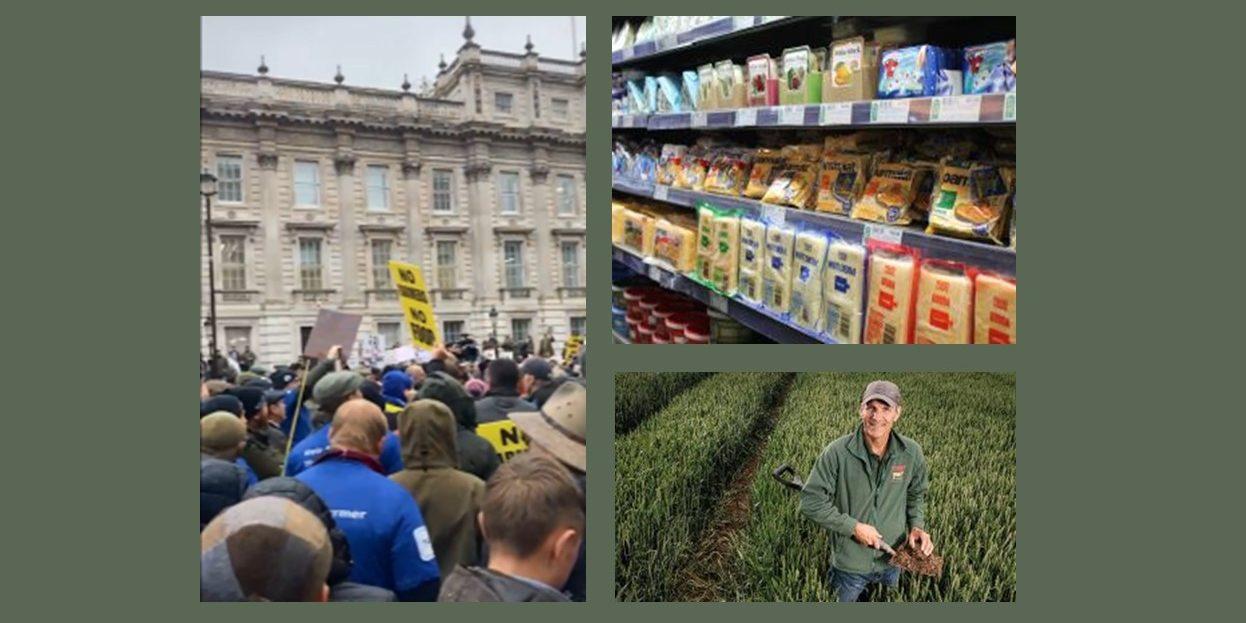
That’s why I joined more than 20,000 other farmers at a protest in the center of London in November. Since then, farmers have staged a series of smaller events such as tractor runs to call attention to the problem. Supermarkets have invited farmers to use their car parks as we continue to oppose the tax.
The ministers who have no idea about how farming works must hear from us—the men and women who work the UK’s farms.
So must the public, which recognizes that it depends on farms every day. That’s why more than 270,000 people signed a petition that the National Farmers Union delivered to 10 Downing Street last month.
A letter to the prime minister accompanied the petition: “If [the farm tax] goes ahead, it will be the final straw that ends generations of farming families in the UK.”
Even before it has extracted a single penny from farmers, the inheritance tax already is taking a toll. Many older farmers are confused, wondering if they must take drastic action right now. Younger people are second guessing their plans to go into agriculture because they don’t know what the future holds for the farms their parents and grandparents built and maintained.
A disaster is getting underway.
The government must stop its mad scheme and take a new look at its budget numbers, this time in consultation with farmers, supermarkets, and other industry partners.