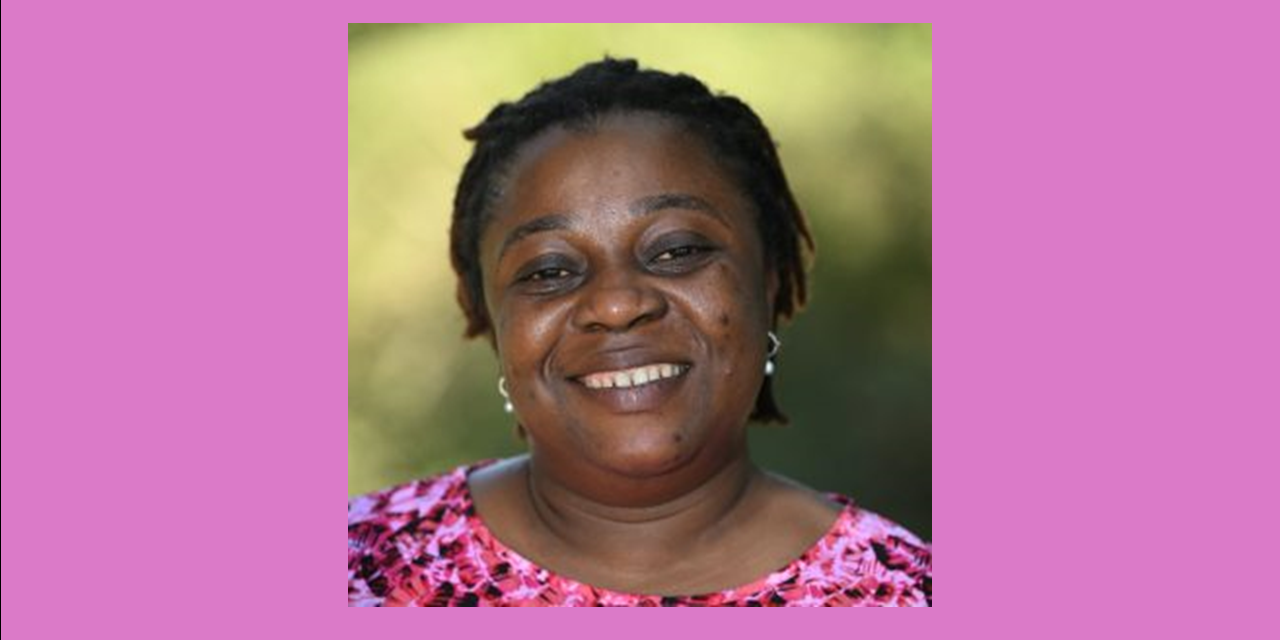
On a farm nestled in the heart of Nigeria’s agricultural belt, Stella Thomas is reshaping what it means to be a farmer in West Africa.
As CEO of Tecni Seed, Stella leads Nigeria’s first female-owned seed company. Her company focuses on maize, rice, sorghum, and vegetable seeds. It collaborates with more than 3,000 farmers over 6,000 hectares, producing foundational seeds and fostering community through agricultural innovation.
“We’re going beyond just selling seeds,” Stella said. “We’re integrating vertically—buying back farmers’ products like soybeans and cowpea, and even pursuing exports.”
Initially, she was interested in a career in pharmacy but was drawn into agriculture during her university days and decided to work in a then newly registered agricultural organization focused on community farming.
“I was one of the only women,” Stella said. “They didn’t take me seriously at first, but I had to drive myself and prove I could do it.”
Her career gained momentum when she became Managing Director at that organization before eventually founding Tecni Seed. Along the way, she confronted gender biases, often being the only woman in rooms where decisions were made.
Pulling from those early experiences, Stella committed to empowering other women. Tecni Seed’s network includes women-led farmer cooperatives and training programs, where she promotes the use of fortified seeds and new technologies. This year, her company expanded operations by adding 500 hectares to its seed multiplication project, focused on producing climate-resilient varieties.
“That will be especially true as we continue to improve our seeds, developing varieties that push food production even further,” Stella said. “The next generation of seeds must grow into crops that withstand climate change, resist pests and disease, enhance nutrition, and conserve resources such as water and fertilizer, not forgetting our indigenous and orphan crops.”
Stella’s model of seed production blends research and commercial strategy. Tecni Seed sources breeder seeds from Nigerian research institutes and multiplies them into foundation seeds, which are then distributed to farmers. This closed-loop approach enhances traceability and quality control while offering farmers guaranteed markets for their output.
The company’s growing interest in value-added production, such as processing soybeans and zinc fortified rice for export, signals a new phase in its evolution. Trials with new crop varieties and digital tools are also underway, aiming to boost yields and climate resilience.
Stella is also active internationally through the Global Farmer Network (GFN). As an active member of the GFN, she participates in international conversations that aim to reshape how agriculture is perceived and practiced worldwide. Her motivation? To connect with and learn from farmers across the globe and ensure that their voices are represented in policy discussions.
The GFN is a global organization that connects farmers of different genders, farm sizes, types, and locations worldwide. Despite speaking different languages and having unique voices, they share a common passion and commitment to amplify their message and show unity as a community.
Her journey—from outsider to national and international agricultural leader—illustrates the potential within Africa’s farming future and the power of the GFN to bring voices together to help farmers make an impact.
_______
This piece is by Joseph L. Murphy, an Iowa-based writer and photographer who collaborates with the Global Farmer Network to tell compelling stories about farmers around the world. A proud native of Iowa and a graduate of the University of Iowa, Murphy has spent over 15 years specializing in agricultural photography. His work captures the lives, landscapes, and communities that shape global agriculture. You can explore more of his work at jmurphpix.com.