To make yourself heard, sometimes you have to sing.
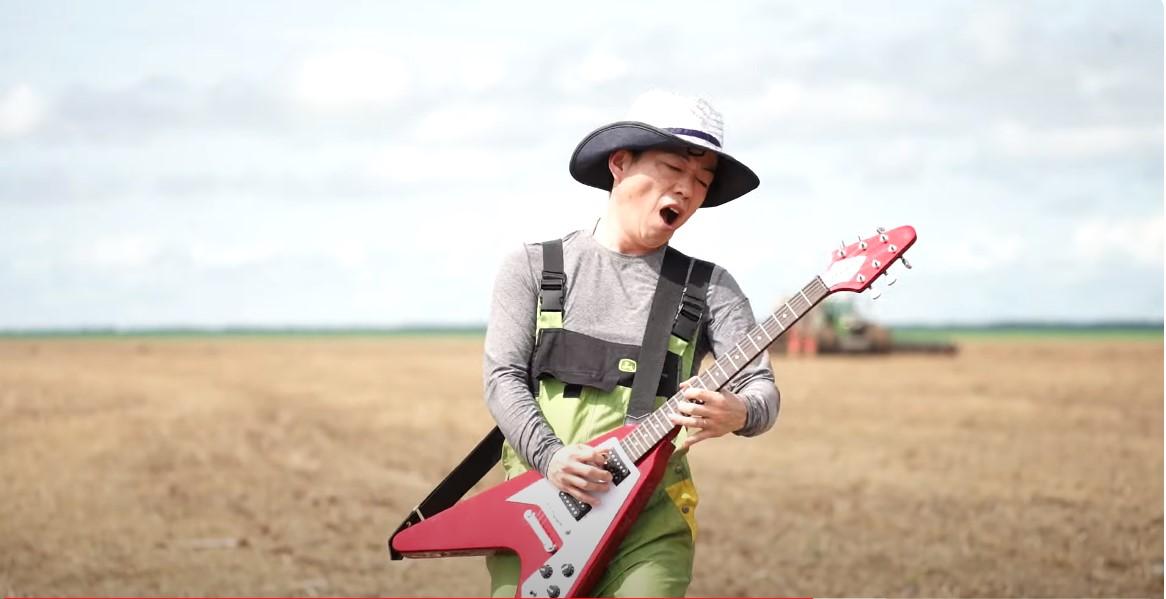
That’s why I created what may be the world’s first rock-music video about no-till farming.
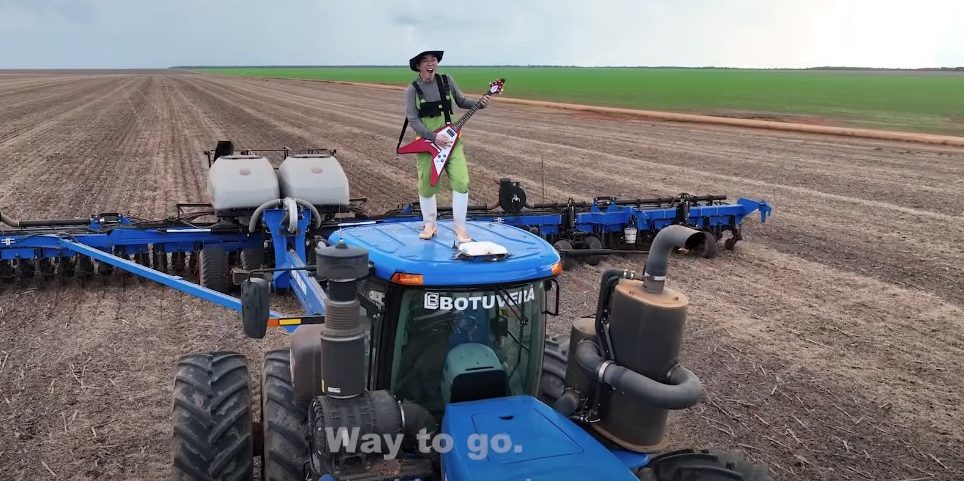
Through the power of music, I hope to spread the news about this important technology, which has the potential to help farmers like me grow more food than ever before in an environmentally friendly and sustainable way.
The song itself is a celebration of no-till agriculture—and the video is pure fun, featuring me standing on top of a big blue tractor, singing and playing a red electric guitar.
I believe that the music is catchy.
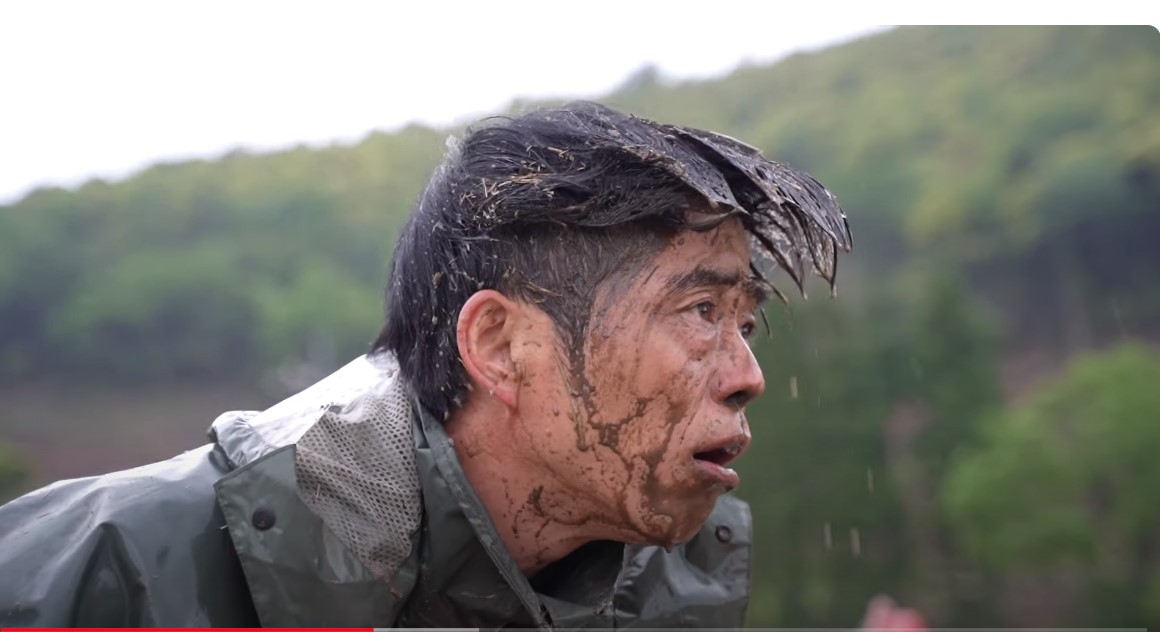
It was a joy to record, but this project also has a serious purpose, which it conveys through its storytelling. It tells the story of a Japanese farmer who is exhausted from doing the same old thing in the same old ways—and he’s so tired, he literally falls face first into a muddy rice field.
This is symbolic of Japanese agriculture, which has many strengths rooted in traditions but also resists change—even when change is for the good. Farmers adapt all the time, and they constantly benefit from innovation, but Japanese farmers may have more to gain than most.
We need to think in new ways, and that can mean trying to transmit in new forms of media, including music videos.
On my farm in Japan, I grow rice, azuki beans, and buckwheat. I’m a farmer by choice, which means I came to farming as an adult rather than having grown up with it. My background and careers are diverse, including as a fire fighter, song writer, performer and IT Company Manager. I’m always on the lookout for new ideas—and I have lots of them for pulling Japanese agriculture out of its rut.
That’s why I founded the Japan Biotech Crop Network. I seek to introduce my fellow farmers to the GM crops that have improved productivity in so many other countries. I also want to them to look favorably upon the gene-edited crops that show so much promise in the years ahead. Gene-editing in agriculture represents the kind of forward thinking and technology advancement our world needs as we adapt to a changing climate and a growing population that must be fed.
No-till farming is another technology with a great success record that must be shared. It’s at once simple and revolutionary. Farmers who aren’t engaged in it just need to hear about it and decide whether it makes sense for their operations.
I saw no-till farming for the first time on a visit to Argentina last year as a member of the Global Farmer Network, in a forum whose purpose was to help farmers from around the world exchange information and ideas. As I learned about it, I kept thinking: Japanese farmers need to hear about this.
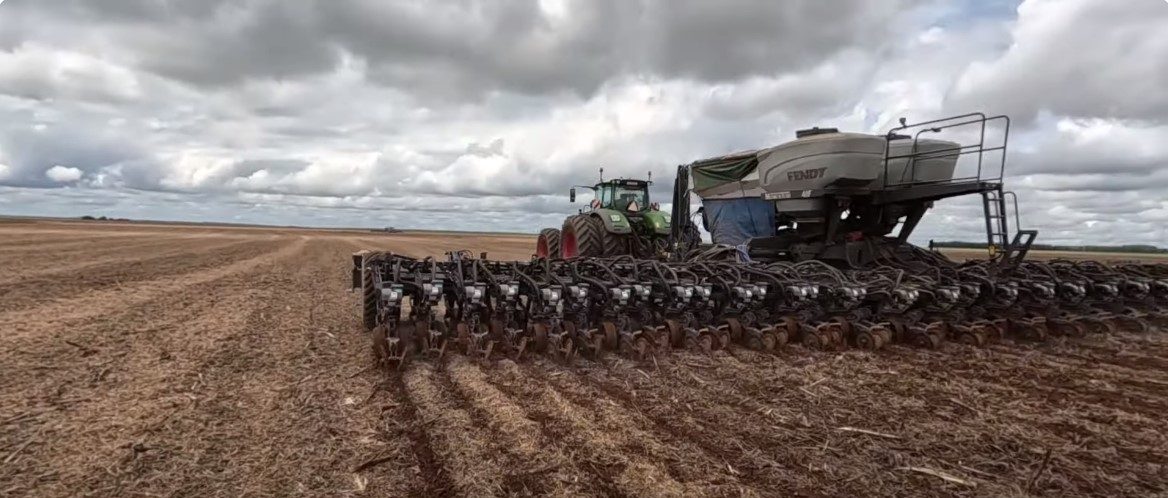
The great benefit of no-till farming is that it protects the soil. Rather than ripping it apart to plant seeds and destroy weeds, it disrupts the soil as little as possible. This approach guards against erosion, promotes biodiversity, and improves the health of crops.
That’s why I adopted it on my farm immediately. Now I want to tell others about it.
Ideas can spread in many ways. Farmers can talk. They can read columns such as this. And they also can watch videos on social media.
Nobody had ever filmed a music video about no-till farming. I kept thinking: Why not me? I’m the perfect candidate, as a farmer who understands no-till and also knows how to write and record music.
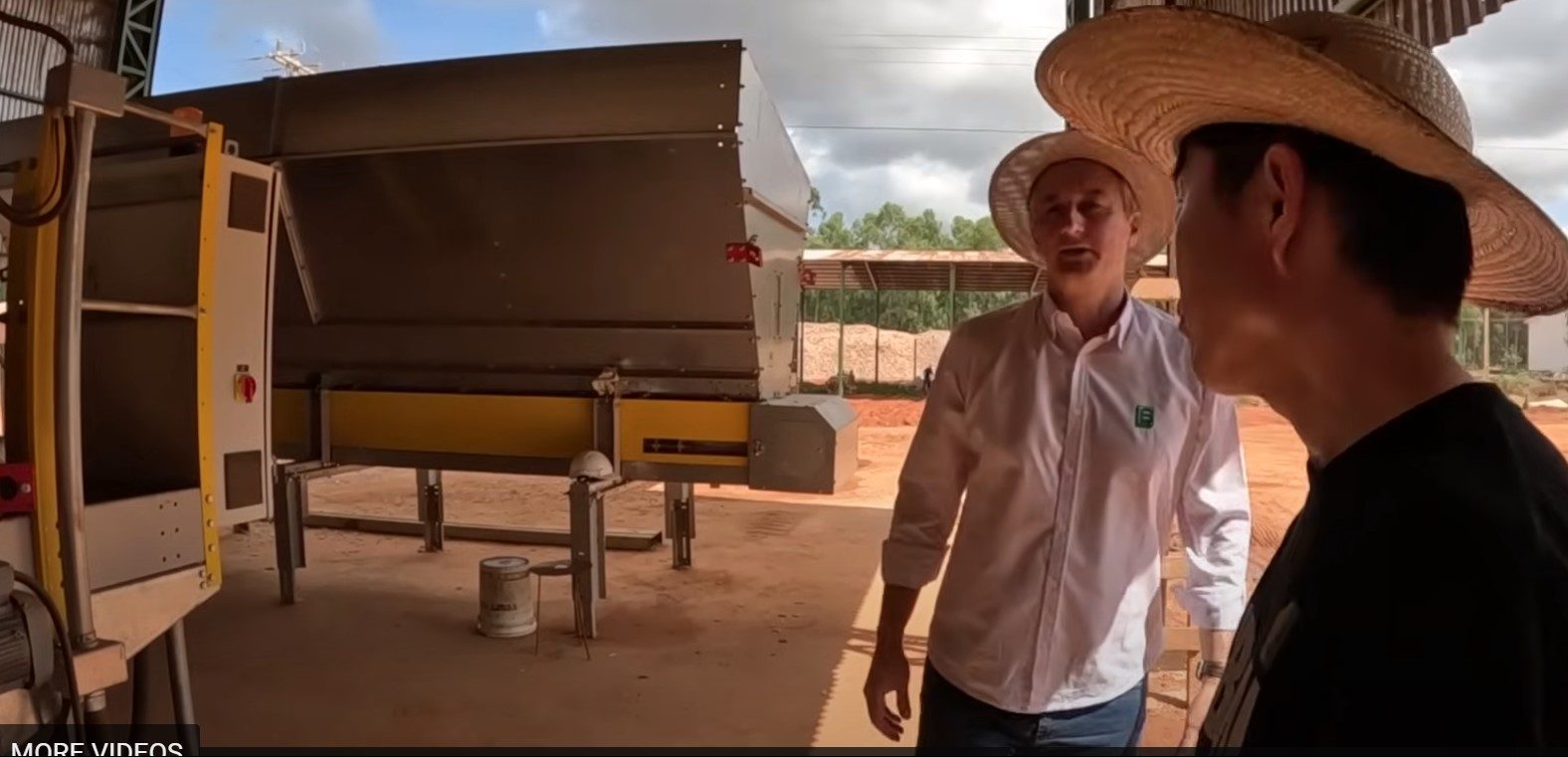
We filmed in February on the farm on Vicente Bissoni Neto, who is dedicated not only to the production of food but also the protection of forests. He lives in Brazil, and like many Brazilian farmers, he took up no-till agriculture years ago to help him grow corn and soybeans.
We started with a 20-minute educational video, in documentary form. It chronicles my visit to Vicente’s farm and shows how no-till works, with a close-up examination of the soil, the machinery, and the big operation behind it. Seeing how it works is an aid to understanding.
But enough with words.
I invite you to start watching my no-till music video and help share the story of no-till technology that is helping farmers like me reduce my environmental impact and grow the nutritious food we all need.