Something big has changed for U.S. farmers since the last time Donald Trump was president: Americans are buying more food from abroad than we’re selling.
This creates a special challenge for Jamieson Greer, Trump’s pick to become America’s top trade diplomat. As head of the office of the U.S. Trade Representative, he and the rest of the incoming Trump team will have to find creative ways to generate fresh opportunities for farmers.
In our new era of agricultural trade deficits, food exports will total about $170 billion in 2025, according to the latest estimate from the Department of Agriculture. Meanwhile, imports will rise above $215 billion.
That’s a gap of more than $45 billion.
This is an astonishing development as well as entirely predictable.
It’s astonishing because the United States has a long history of exporting massive amounts of food to the rest of the world. Thanks to the richness of the land and the hard work of farmers, we’ve always grown more food than we can eat.
That has clearly changed. We’re suddenly selling less food to customers outside of our country’s borders than we’re buying from them—and we may never go back to the old way.
The current trend began when our food exports fell from an all-time high of $196 billion in 2022 to $178 billion in 2023. They dropped again last year to $174 billion. During the same period, the value of imports jumped by nearly $20 billion.
Everything suggests that our agricultural trade deficit will widen rather than shrink.
For farmers like me, who have taken pride in American agricultural productivity, this new reality is hard to accept.
Yet many of us have seen it coming, due to global markets and consumer tastes.
One aspect of this is a blessing. When I was a kid, fresh fruit in the winter was rare. If my Christmas stocking contained an orange, that was a genuine treat in the winter snow of Iowa.
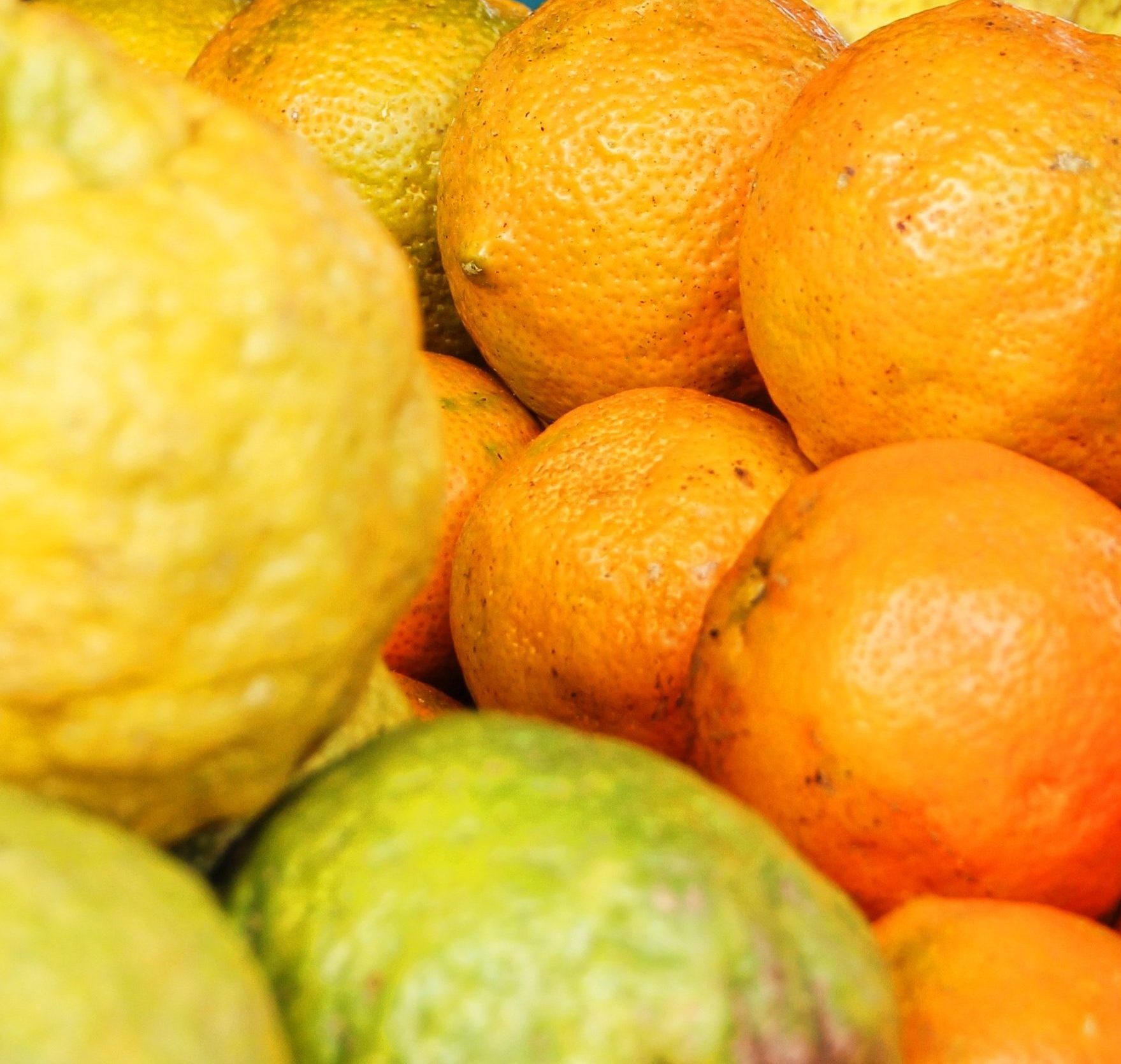
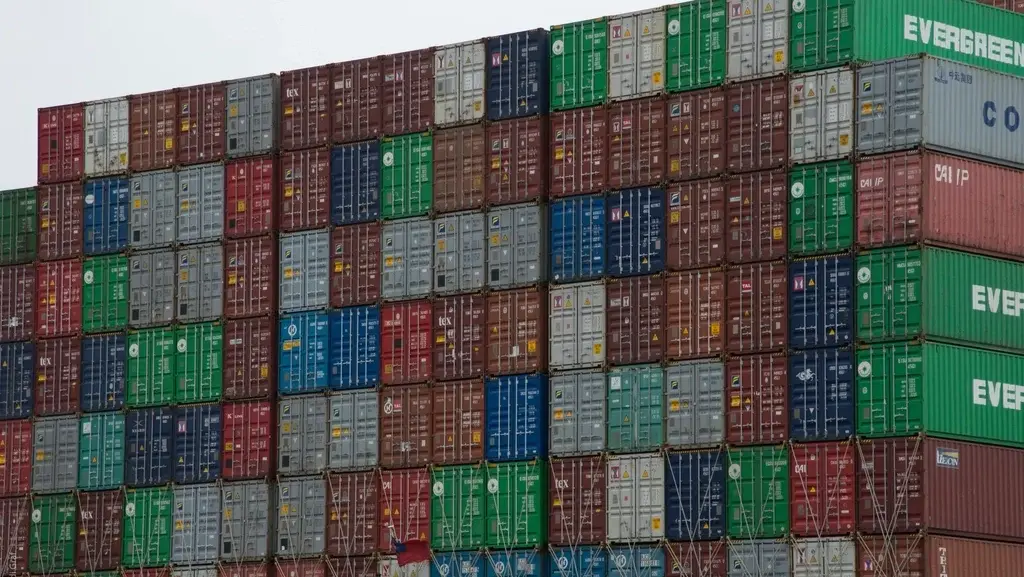
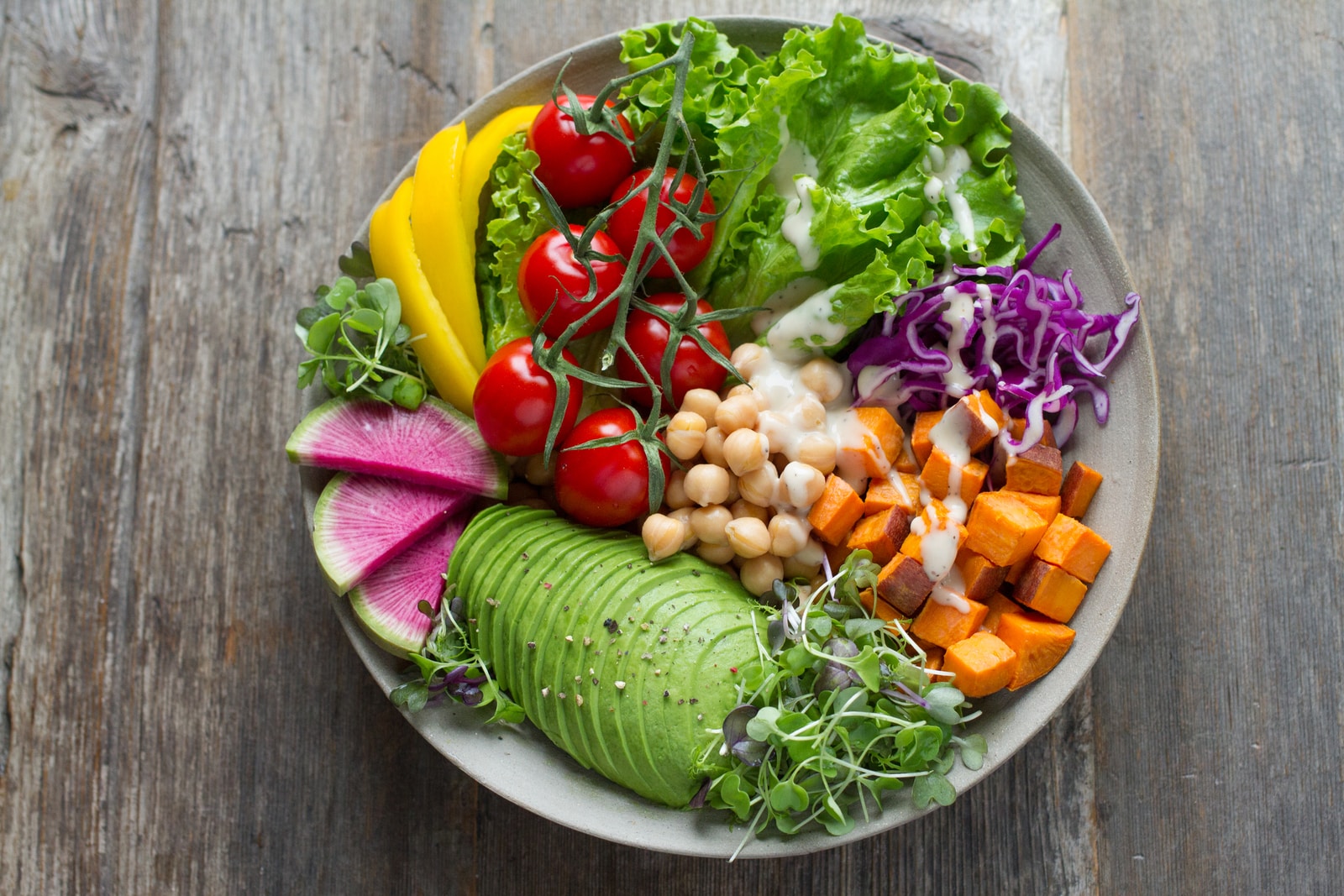
Today, of course, we don’t have to worry about what’s in season and what’s out of season. We can get oranges, grapes, pineapples, and just about anything we want whenever we want it because we’ve built trade networks that allow us to move food around the world and across borders like never before.
That explains why imports have increased, but not why exports have declined. The major factor here is the rise of Brazil as an agricultural powerhouse.
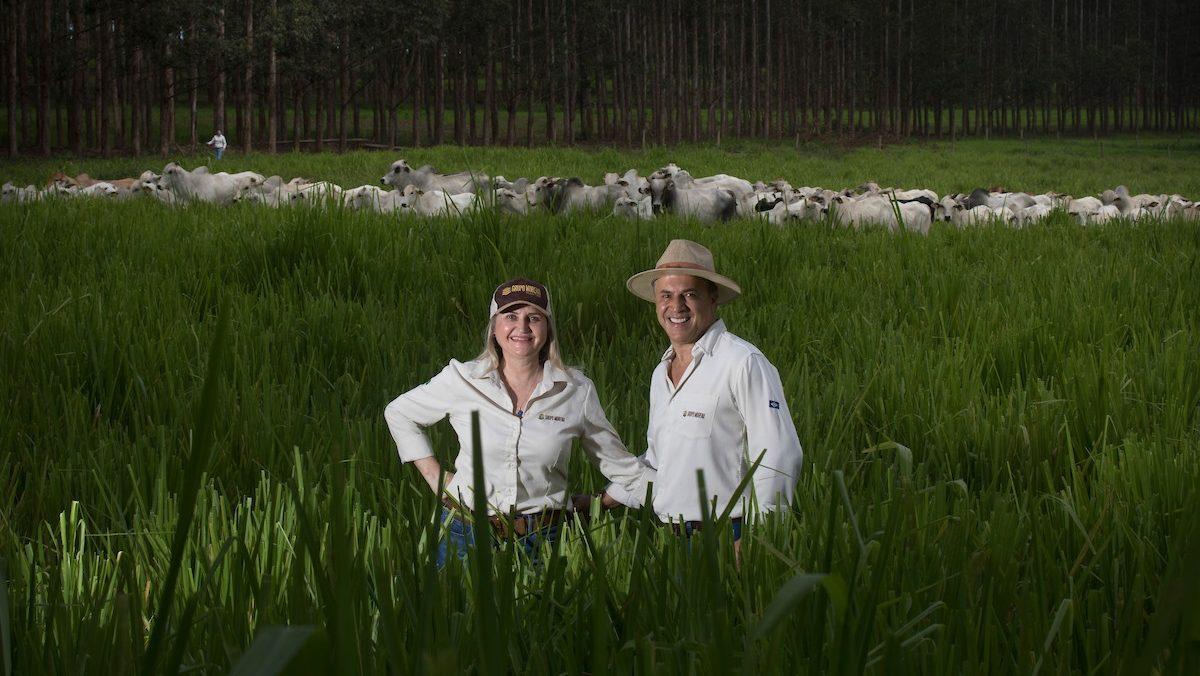
Brazilians are doing today what Americans did a century ago: They’re expanding their farmland, improving their productivity, and gaining significant ground in the world’s market for commodities. They’ve already passed the U.S. on soybean exports. Next, they’ll catch us on corn. In the future, it’s likely they will move ahead on pork and beef as well.
Farmers and government officials in the United States face a choice.
We can try to seize back the markets we’ve lost. At first, this sounds like an attractive option. Yet it would start a race to the bottom—a contest to see who can produce the cheapest food in the most massive amounts. We could possibly win this fight, but it would be a Pyrrhic victory, because it would be impossible to turn a profit. This way is not economically sustainable.
The other option is to discover new markets, such as biofuels. A lot of what I grow on my farm can become renewable diesel and sustainable aviation fuel. Developing this market probably will require some early support in the form of tax credits.
Another idea is to practice the art of the trade deal—and for officials like Greer to try to make it easier for farmers like me to export agricultural products—food, feed, fiber and fuel. This may be wishful thinking, as President Trump appears ready to launch a series of tariffs that almost certainly will restrict rather than expand market access for farmers.
It would make more sense for the United States to join an economic alliance with a bulky name: the Comprehensive and Progressive Agreement for Trans-Pacific Partnership.
The CPTPP evolved from an earlier trade proposal that President Trump rejected years ago. Just because he opposed it then doesn’t mean that he should oppose it now.
The world has changed—and for American farmers, it has changed in ways that require both resilience and innovation.
Trade is the art of moving products from areas of plenty to areas of scarcity and need. As farmers continue to produce what the world wants and needs, we want to work with our government leaders to create markets that move products to where they are needed and wanted.