When I started farming 12 years ago, one thing that stood out to me was how few women were recognized as voices of influence in agriculture. In many pack sheds, women worked tirelessly on the floor sorting, cleaning, and packing but rarely were they the ones leading, owning land, or shaping the conversations that drive agricultural progress.
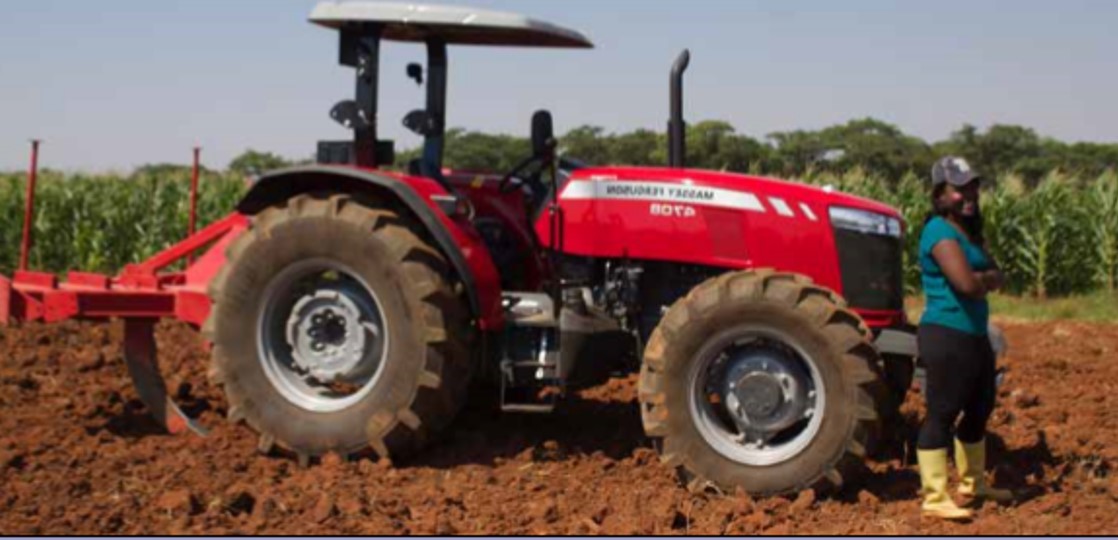
Women’s land ownership across Africa has always been low, and access to resources such as finance, inputs, and technology remains a significant challenge. Yet, despite these barriers, women continue to play an essential role in food production, rural livelihoods, and community resilience.
That’s why I am deeply encouraged by the recent announcement that 2026 will be declared by the United Nations as the Year of the Woman Farmer. This recognition is long overdue and incredibly meaningful. It acknowledges the unseen work, perseverance, and innovation that women farmers bring to the agricultural landscape every single day. It's a timely recognition of the vital role women play in agriculture across Africa.
Women constitute about 70% of family farmers in Africa but less than 20% have secure access to agricultural land. This disparity reflects deep-rooted patriarchal systems and legal hurdles that have long curtailed women’s ownership and control of land. For instance, continent-wide data indicates that only around 13% of African women claim sole ownership of land, compared to 36% of men. Joint ownership improves these numbers somewhat but still highlights significant inequality. Yet, the narrative is changing.
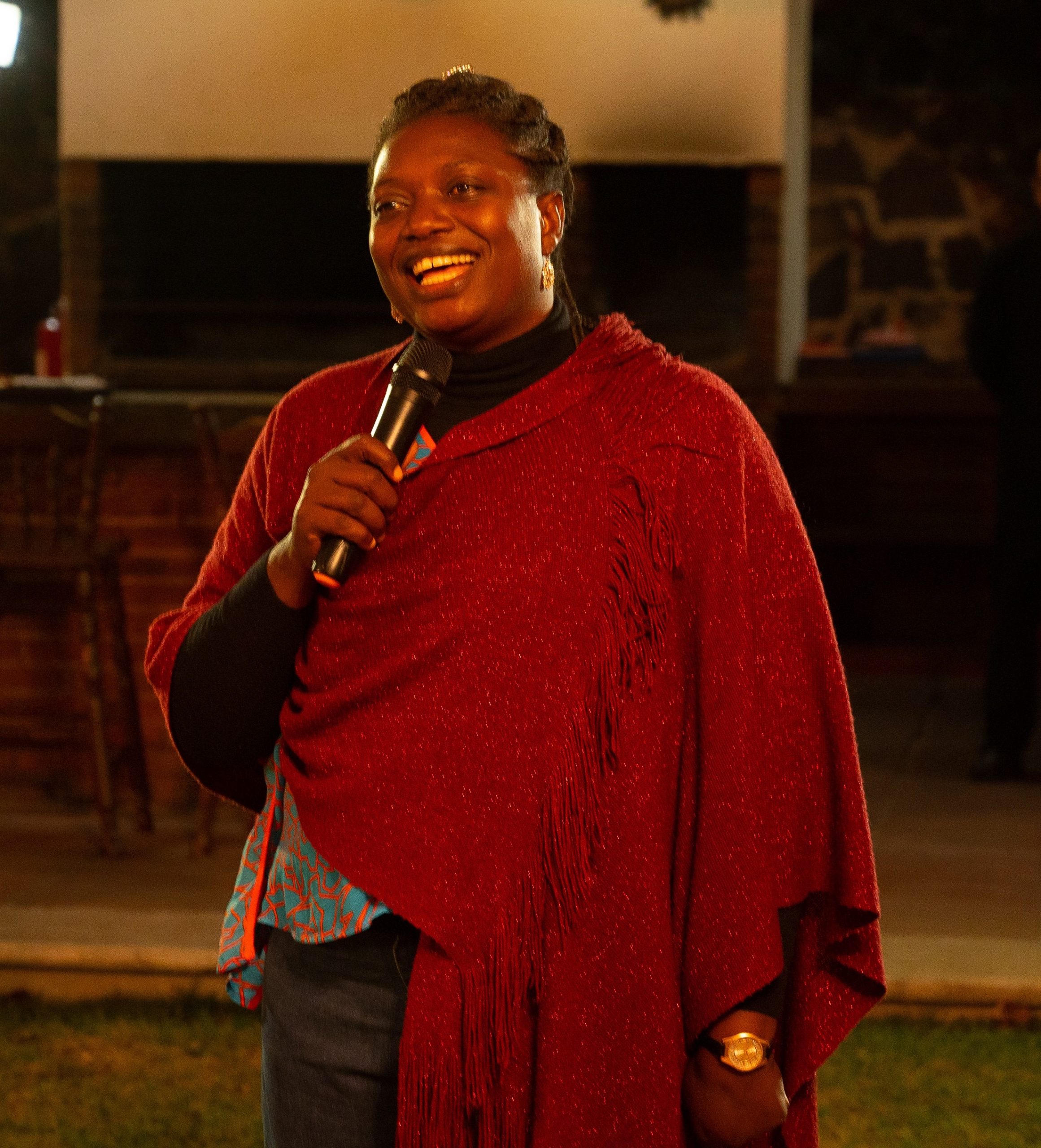
We need more voices like Patience Koku from Nigeria—who began as a smallholder farmer and now cultivates thousands of hectares. Her journey reflects what is possible when women are given access to land, technology, and opportunities to scale up. Her influence in discussions about commercial agriculture and the adoption of modern technologies has earned her greater trust, visibility, and investment.
The view of the woman farmer in Africa is indeed changing. We are no longer just the hands behind the harvest, we are also the minds shaping the future of farming on the continent. With the right support, recognition, and inclusion, the voice of African woman farmers will continue to grow louder, stronger, and more impactful than ever before.
Across the continent, legal reforms, land governance policies, and advocacy efforts including the Kilimanjaro Charter of Demands and the African Union’s Strategy for Gender Equality are gradually breaking down barriers. These efforts aim to close the gap between policy and reality, enabling women to gain equitable land rights, access financial services, and participate fully in agricultural value chains. The woman farmer’s voice in Africa is gaining strength, no longer side-lined but heard in the halls where policies are shaped. That’s why supporting this transformation is crucial for food security, economic development, and gender equality across the continent.
As we approach 2026, the Year of the Woman Farmer, it is a moment to celebrate progress and renew commitments to ensure every woman farmer can claim her rightful place as a landowner, innovator, and leader in African agriculture.
Ruramiso Mashumba is serving the GFN as Regional Lead: Africa.