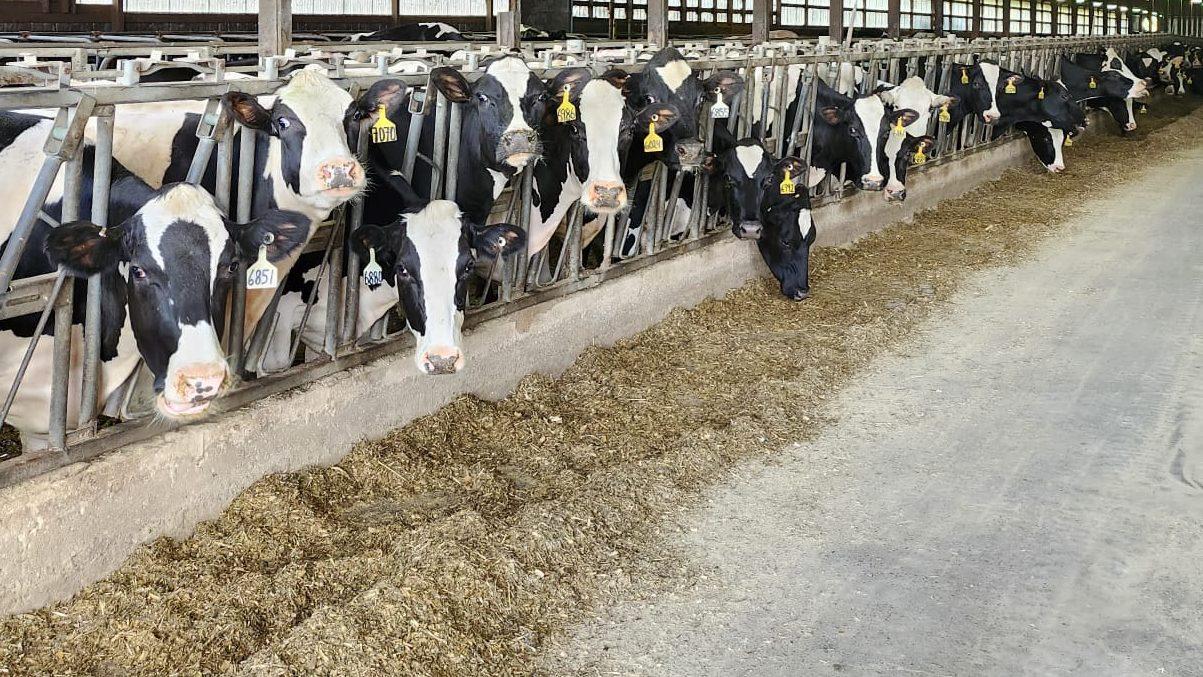
Kids are curious—and it’s a delight to have them visit my dairy farm in southwest Wisconsin to learn about milk and where it comes from.

Most of them drink this excellent beverage. Most of them also know it comes from cows. But they don’t know much more. They definitely don’t understand how much work goes into milk production, or the science and technology we use to make sure it’s as healthy and nutritious as possible
I enjoy showing them when they come with their families or on school trips, whether it’s June 1, which is World Milk Day, or any other day of the year. It’s rewarding to see their excitement as we let them feed our calves and walk around the farm and look at what we do.
We do a lot. Milk may be at the center of our dairy operation, but we also produce beef, which we sell along with the milk to schools and communities in our area. Behind our herds are our crops: We grow corn, alfalfa, soybeans, and small grains to feed our herd of dairy cows, replacement heifers, and steers.
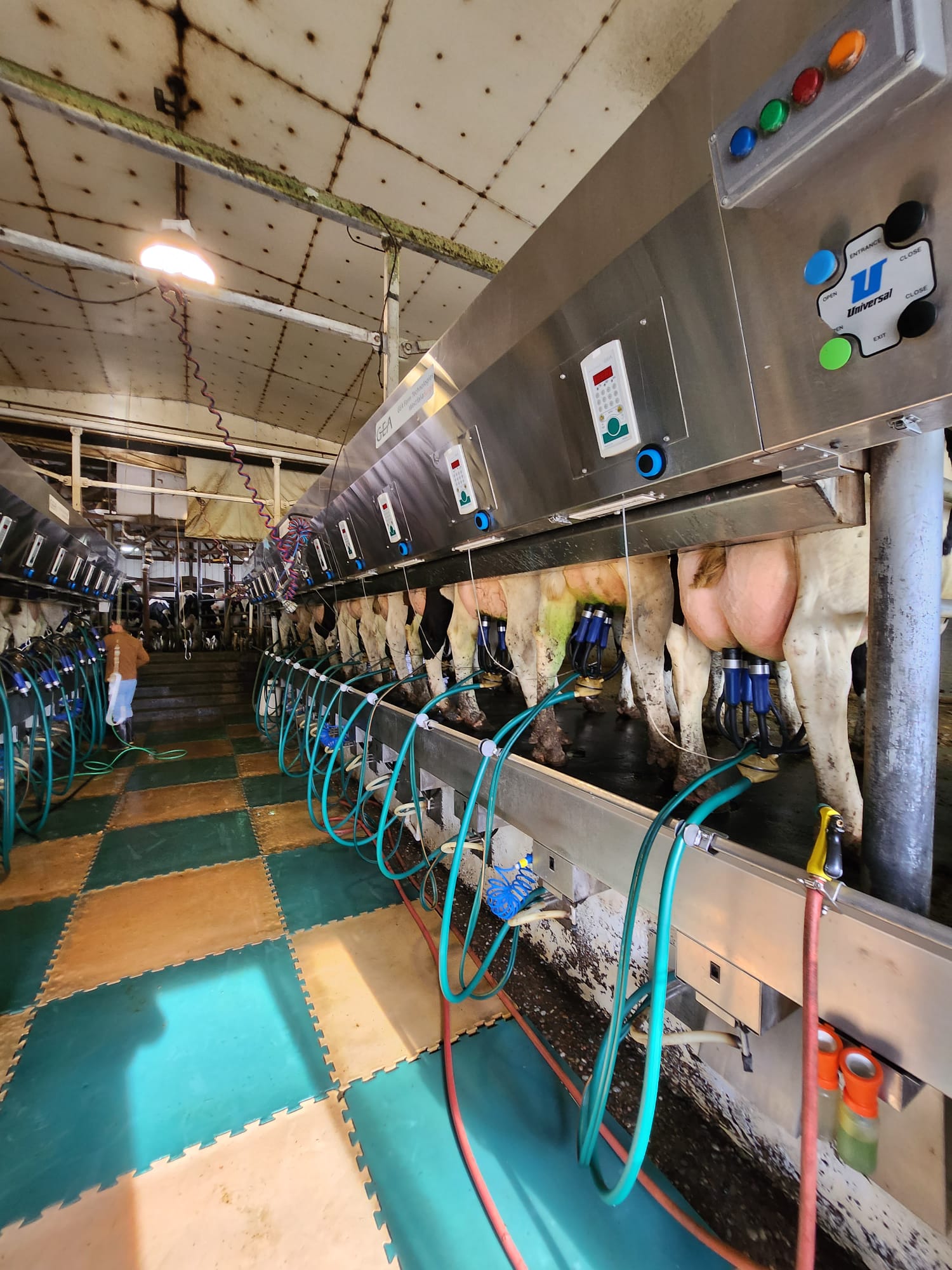
The kids have lots of questions. They want to know how many cows we milk and how we do it. They’re fascinated to learn that we milk 24 hours per day, which means that our farm never sleeps. Something is always happening. We’re always producing. We’re always making milk.
The children ask about the differences between male and female calves—they tend to call them “boys” and “girls”—and how we sort them and treat them. They wonder how many cows give birth each day. They want to know what it’s like for animals to grow up on a farm.
A fact that surprises many people, not just kids, is how much water the cows drink. An adult dairy cow can consume up to 50 gallons of water per day. That’s bigger than a bathtub, two and a half times the size of a car’s gas tank, and about the equivalent of three kegs of beer, according to this online measuring tool.
I’ve also got some good news: Nobody asks whether chocolate milk comes from brown cows, except as a joke. (Several years ago, a survey claimed that 7 percent of Americans believe this myth. The story went viral, thanks to a credulous news media, but there are good reasons for skepticism.)
I can’t talk about milk without discussing the soil. Everything we eat begins in the ground, and we protect its fertility on our farm with a no-till system, which means, as a starting point, we don’t disrupt the soil by cutting through it with a plow. We plant seeds, apply nutrients, and harvest with minimal soil disturbance.
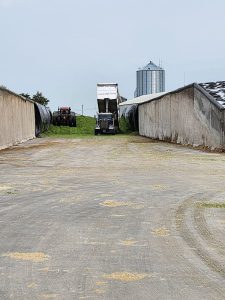
That’s because we want our crops to develop flourishing root systems that absorb the rain that falls on our fields. We work hard to keep the water here, sinking into the soil, rather than let it wash away. If it runs off our farm, it takes some of the soil with it into the watershed of the Mississippi River. When that happens, it’s gone forever, in a form of erosion that threatens our food production.
We also use cover crops, which means that even when we’re not growing crops for food, we’re growing them with a purpose. Our fields achieve a green cover that shields them from harmful weeds and allows us to limit our use of weed-control chemicals.
The result of this effort is a delicious drink that anyone can sip or gulp at any time—one that promotes muscle growth, improves bone density, and supports the immune system. It also delivers essential nutrients such as calcium, protein, and vitamins. Milk even hydrates, thanks to its high water content. People can imbibe it throughout the day as well as when they exercise. So can athletes and folks with physically demanding jobs.
Milk, when purchased in a market or store, can come in a variety of forms and flavors: whole, 1 percent, 2 percent, and powdered. It’s even packaged for mobility, and easy to toss into a lunch cooler for work or travel.
This is a lot for kids to take in. My hope is that after visiting the farm, they’ll remember enough of it so that when they drink milk, they’ll occasionally remember the people who make it possible.