When I saw milk in the desert, I knew I had to become a better dairy farmer.
I journeyed to Israel, a dry but rich and productive land, that would seem to have no business producing as much milk as it does.
Yet Israel’s milk production is quite high, thanks to the hard work and innovation of its farmers.
Seeing their success made me want to do better on my own farm in Kenya. I had started just a few years earlier, in 2005, raising a single cow plus planting maize and wheat. The example of the Israelis taught me that if I improved my practices, I could grow my herd and improve its productivity and profitability—and become one of the best dairy farmers in my region.
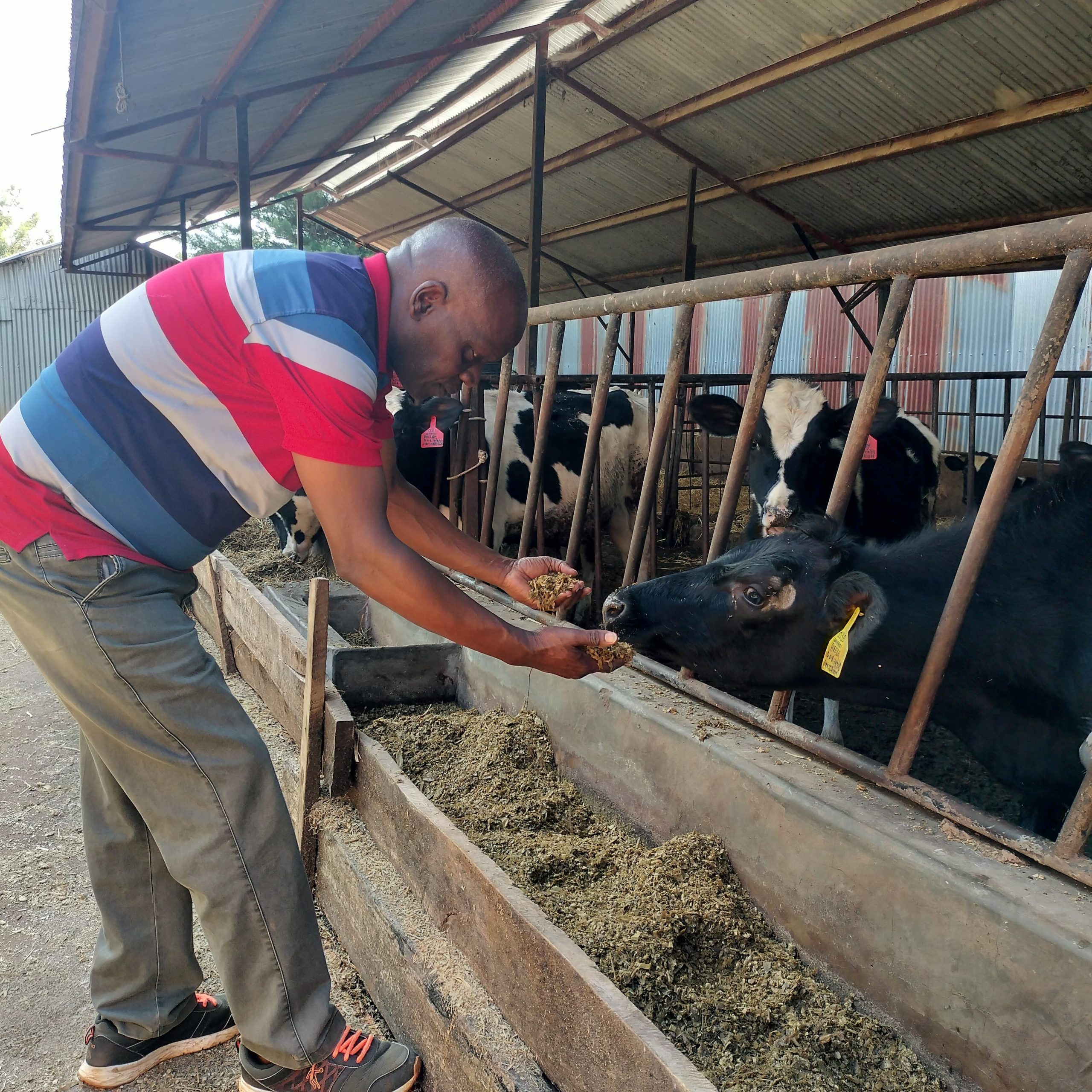
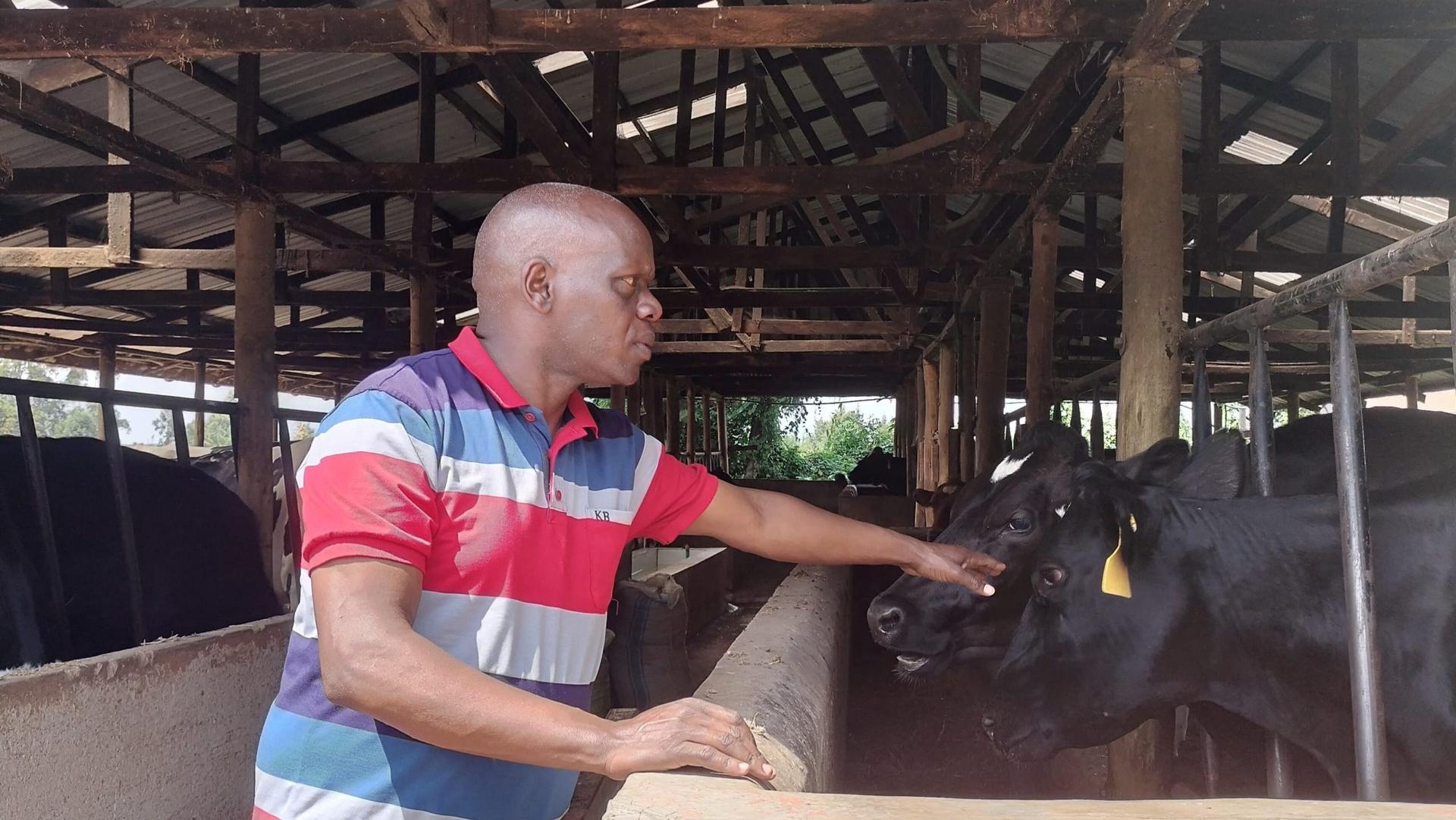
Today, I own 53 cows, employ four people, and run a training center. Today I still plant maize for silage and wheat for selling, but dairy farming is my main occupation. We deliver our milk to schools, hotels, and banks.
I’ve learned about starting small and dreaming big—and I’ve also learned about the importance of resilience, sharing ideas, and access to technology.
My parents were free-range farmers. Growing up, I was reluctant to follow them into agriculture. Production was low and I didn’t see a future in it. As I observed other farms, however, I began to understand that I had choices, and that different approaches might lead to better results.
Dairy farming held a special appeal because a farmer can milk cows in the morning and in the afternoon and get paid each day, upon delivery of fresh milk. I preferred this to crop farming, which requires waiting through a whole season before payment.
My visit to Israel was a revelation. It also demonstrated the value of knowledge transfer—the idea that when farmers learn from other farmers, they can borrow and adapt methods and concepts and improve their own performance.
Today, that often means the adoption of new technologies, which help farmers save time, boost production, and improve profitability.
On our farm, we use a milking machine, which can milk four cows at once and finish the job in seven minutes. That means we are saving time and reducing labor costs. That is a savings that we can pass on to consumers even as it helps our own bottom line.
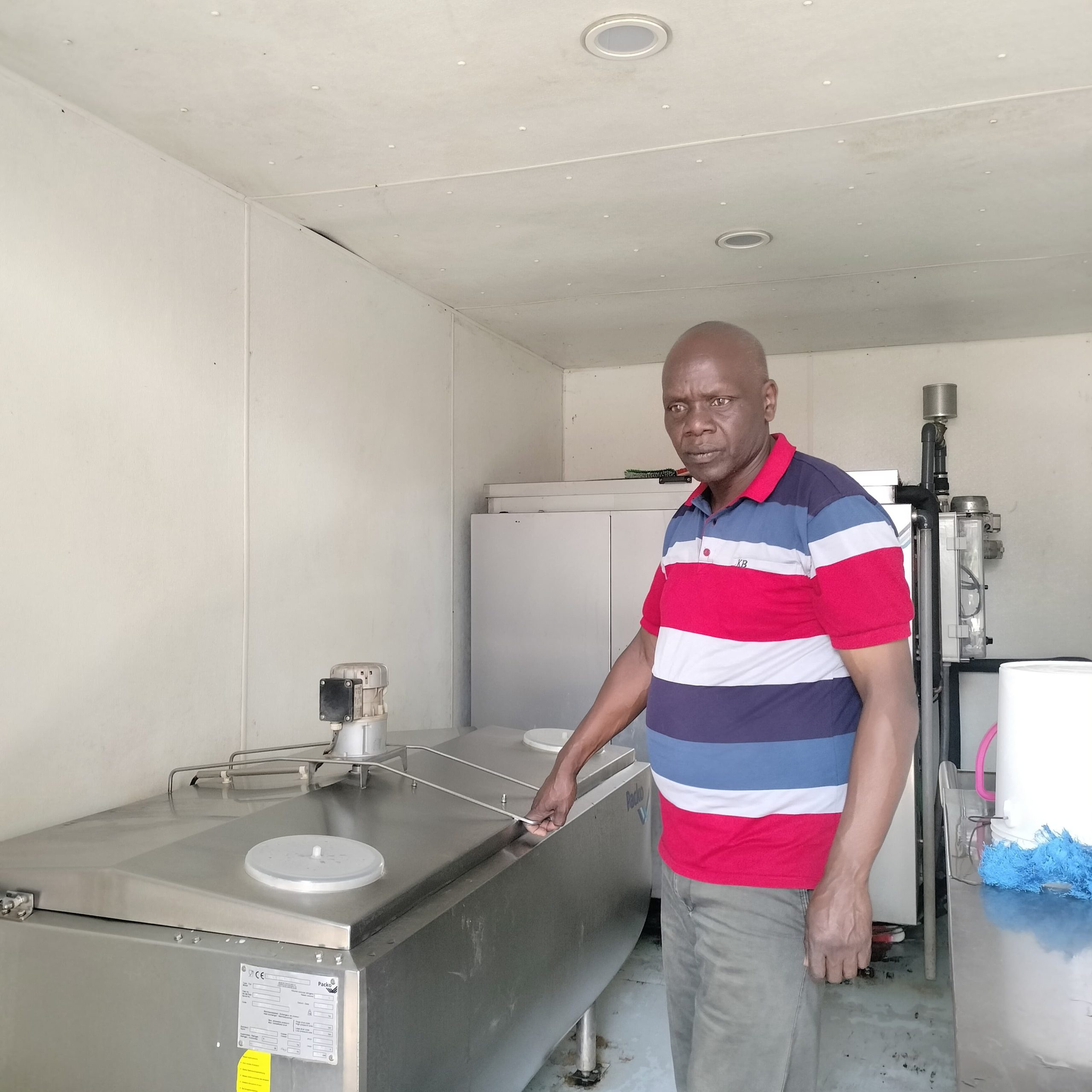
Technology also allows us to use the heat of the sun to keep our milk cold for up to 5 days. The source of this delightful paradox is one of my favorite tools on the farm: a solar-powered milk cooler. I got the idea from the United States—another example of international knowledge transfer—and I’m grateful for it each time I see my electricity bill, which is much lower than it would be without this device.
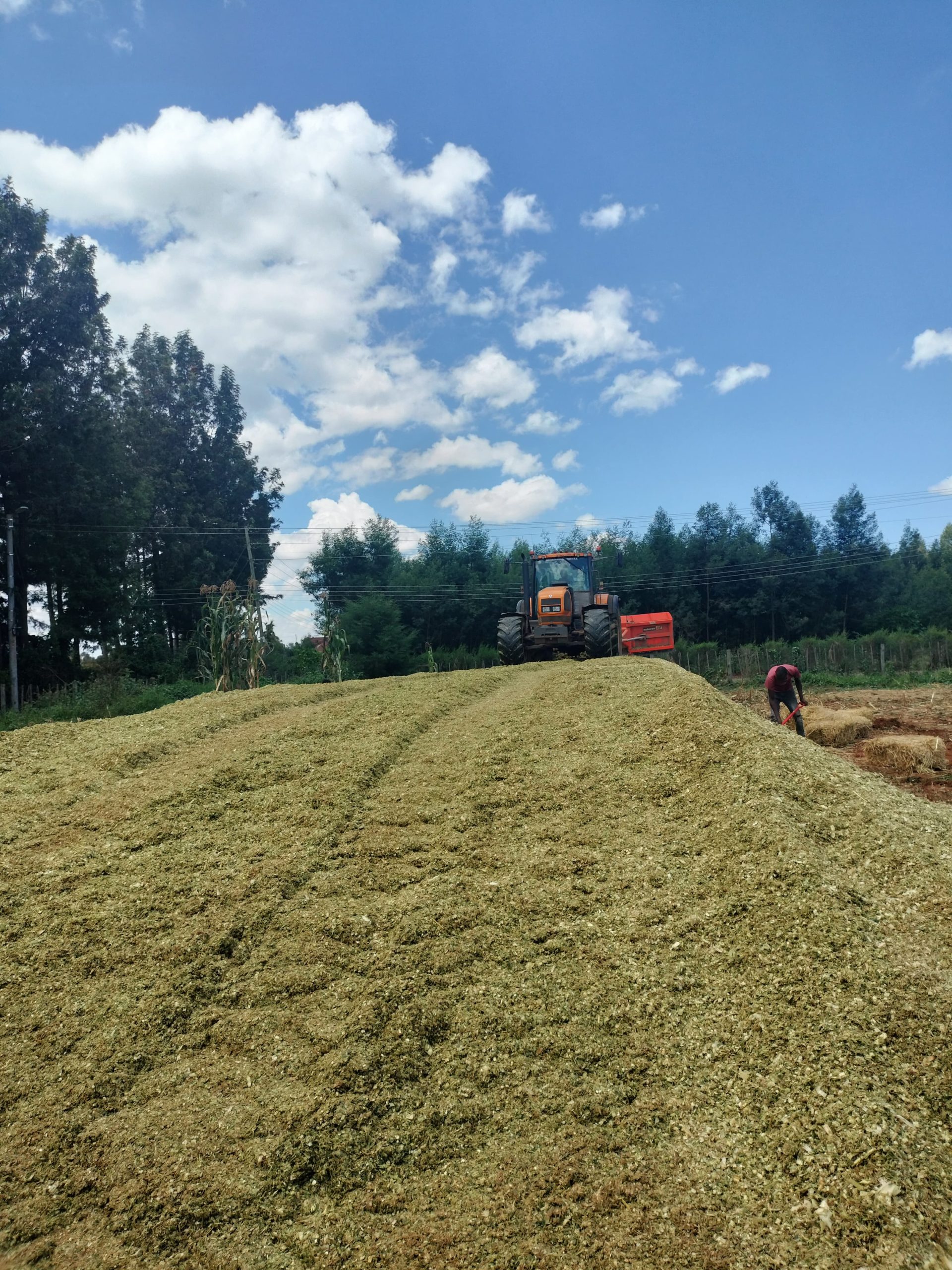
Other technologies on the farm include machinery, such as a forage harvester that cuts corn to the right size as we prepare silage, and a feed mixer that rations food for dairy cows in a way that increases their milk production. We also use artificial insemination for breeding, which is more efficient than bringing a bull to the farm and leads to higher-quality cows. We sell our heifers to fellow farmers in Kenya and also export them to neighboring countries.
The government of Kenya has been supportive as it tries to spread technology through education delivered by its county governments and extension programs at colleges and universities that demonstrate the latest technologies. Kenya has slowly accepted GM crop technology, but it should embrace them more swiftly so that farmers can grow more food with the best seeds, which are readily available in much of the developed world.
Another source of income is our Willens Practical Training Center, where we share our expertise with other farmers as they work hard to improve their productivity and profits.

As we teach, I’m reminded of my own experience in Israel. Yet I’ve also discovered that I can gain as much from my students as they can gain from me. These visitors to my farm sometimes see something that I haven’t noticed and suggest an improvement that makes me a better farmer.
That’s one of the joys of knowledge transfer: It often flows both ways.
The basics of farming are not hard—but agriculture nevertheless is full of challenges, from beating pests and diseases to confronting climate change. It also requires a good work ethic.
When farmers enjoy both access to technology and the ability to exchange ideas, however, they can work wonders, and even produce milk in a desert.