More than half of the world’s rangeland is damaged and one-sixth of humanity’s food supply is in danger, according to a new report from the UN Convention to Combat Desertification.
The sources of the threat include everything from climate change to mismanagement.
The problem is most severe in Asia, but it’s a global dilemma—and I’ve seen it up close here in Brazil, where degraded pastures have become a major problem.
The good news is that farmers like me are fighting back. We’re reclaiming much of the land that we nearly lost and we’re protecting it through innovation – making the land produce more but with the guarantee that the land continues to be productive for future generations.
Ideas can come from anywhere—and the best idea I’ve had for my farm came from browsing through the books in our branch library. To my surprise and delight, I came across a book that has made me a better farmer here in rural Brazil.
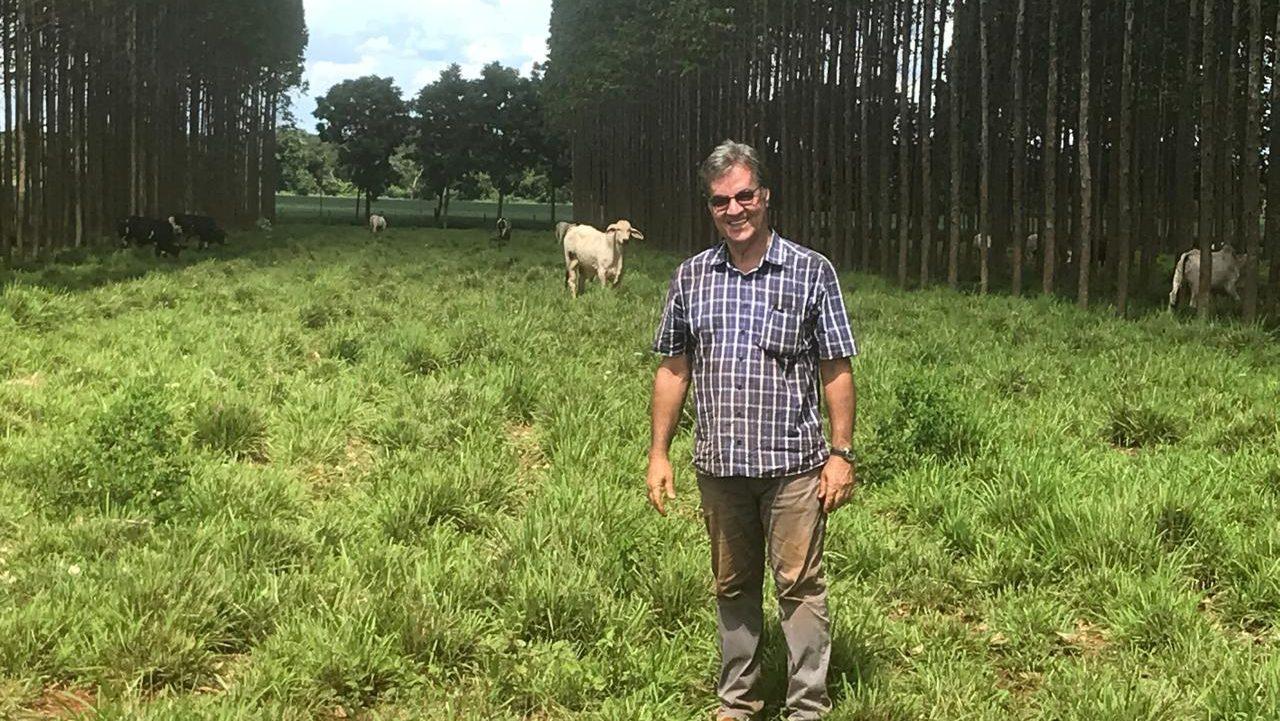
It described an agricultural production system known as ICLF, which combines the key words integrated, crop, livestock, forestry. It brings them all together in a method that allows us to grow more food on less land. We do it in a sustainable way so that the land will remain productive for generations to come.
ICLF has been comprehensively proven as a system of sustainable agricultural systems by the Brazilian Agricultural Research Corporation, which is better known by its acronym in Portuguese: EMBRAPA. Affiliated with Brazil’s ministry of agriculture, it strives to improve food production through technology and innovation. In addition to running my farm in the state of Goias in central Brazil, I’ve worked as a researcher for EMBRAPA.
When I learned about ICLF about a dozen years ago and began to study it, the first thing that impressed me was the science behind it. Since its founding in 1973, EMBRAPA had devoted itself to finding ways for farmers like me to boost our production. Through a long process of research focused on an integrated production system, it developed ICLF, which seemed perfectly suited to my small operation—and so I tried it.
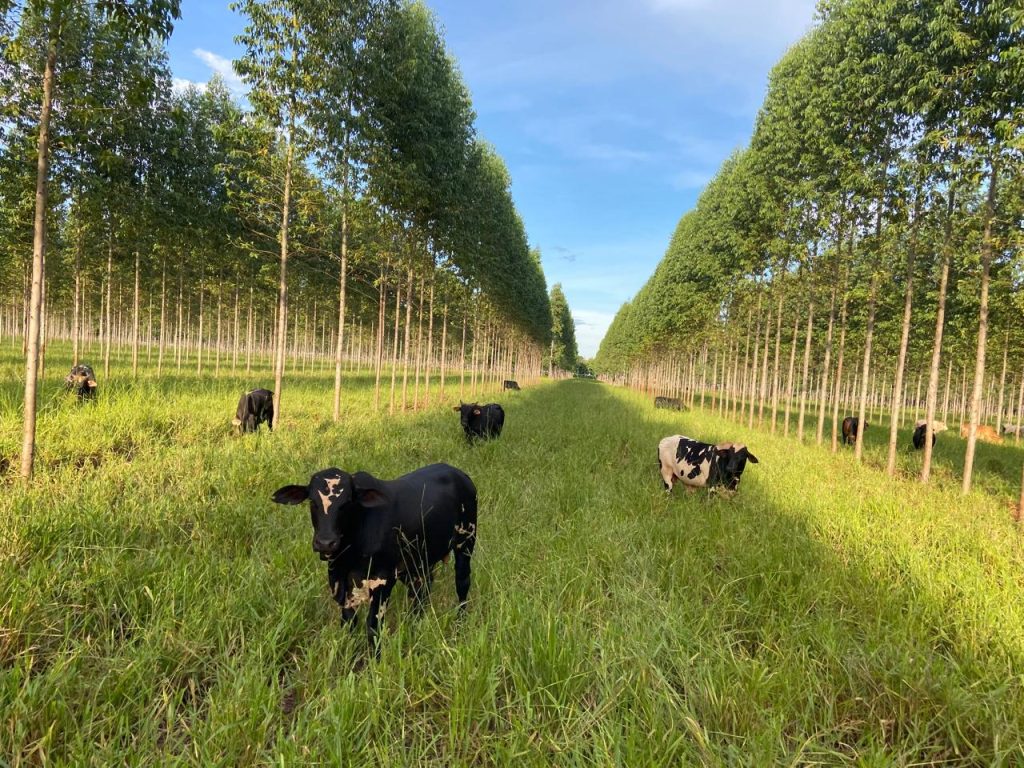
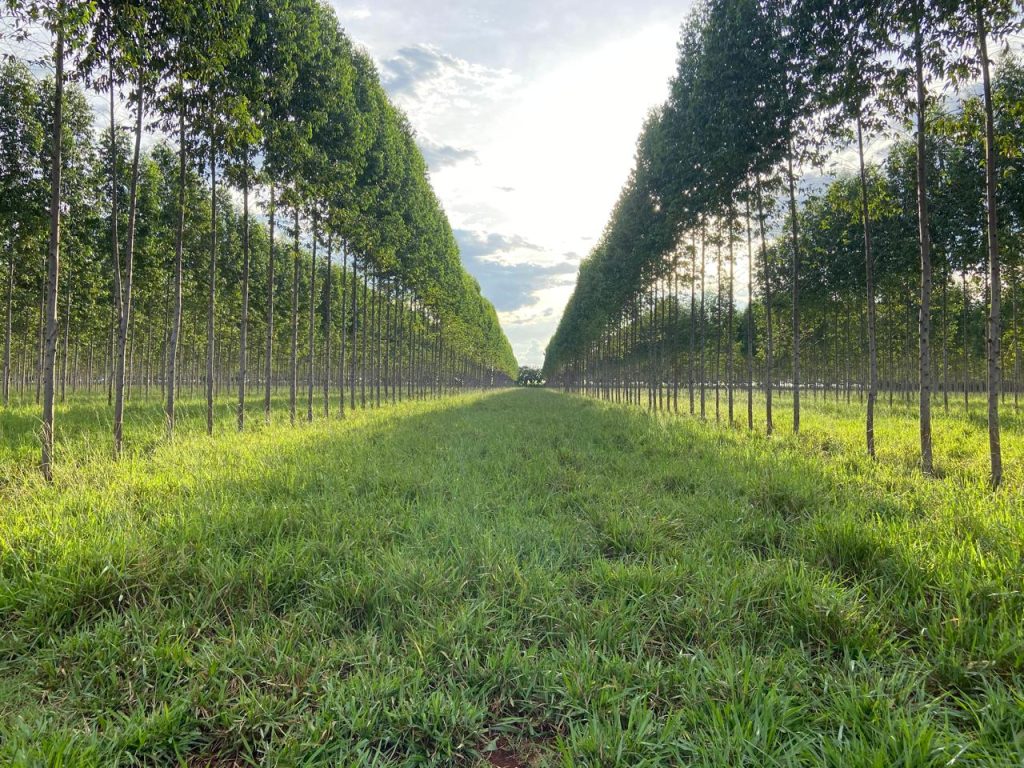
Simply put, ICLF allows me to grow crops, raise livestock, and engage in forestry all at once. Each activity in fact improves the others as they work in harmony through intercropping, succession, and rotation. We work in six-year cycles, and I’m now embarking on my second cycle with ICLF. (I’ve explained some of how this works in a video.)
The results are outstanding. The sum is greater than the parts: My crops, cattle, and trees produce more: grain from my corn and soybeans, protein from my animals, and wood from my trunks and branches.
This is essential because every demographic projection shows that with rising numbers of people as well as better living standards, the world is going to need a lot more food. Each hectare will have to generate new levels of food and fiber. To achieve this, farmers like me must rely on advances in science and technology—and also management systems such as ICLF.
It is important to know that ICLF is about more than production. It’s also about rejuvenation and sustainability. It helps us repair land that has lost its productive capacity, due to factors such as weak soil, mishandling crops, and poor herd management. Like a medical treatment that cures a sick person, ICLF restores these fields. It then keeps them healthy, so that they don’t deteriorate again.
My own farm has not suffered from degradation, but I’ve seen what ICLF can do for the farms that face these challenges. So have others. In 2005, less than 2 million hectares in Brazil were managed with ICLF, according to the ICLF Network. By 2021, the figure had enlarged to 17 million hectares, according to EMBRAPA, and it could go as high as 48 million in the future.
Even the animals approve: The rows of trees that now line our fields give them shade.
There’s no single solution to the rangeland degradation that worries the UN. The problems of Mongolia are vastly different from those of the Sahel region of Africa—and they’re nothing like what we face here in Brazil. Everything requires a local response.
In my country, though, we see the way forward with ICLF.