Farmers who take up regenerative agriculture say they do it for the soil—but it’s also about the soul. The most profound thing it may regenerate is human dignity.
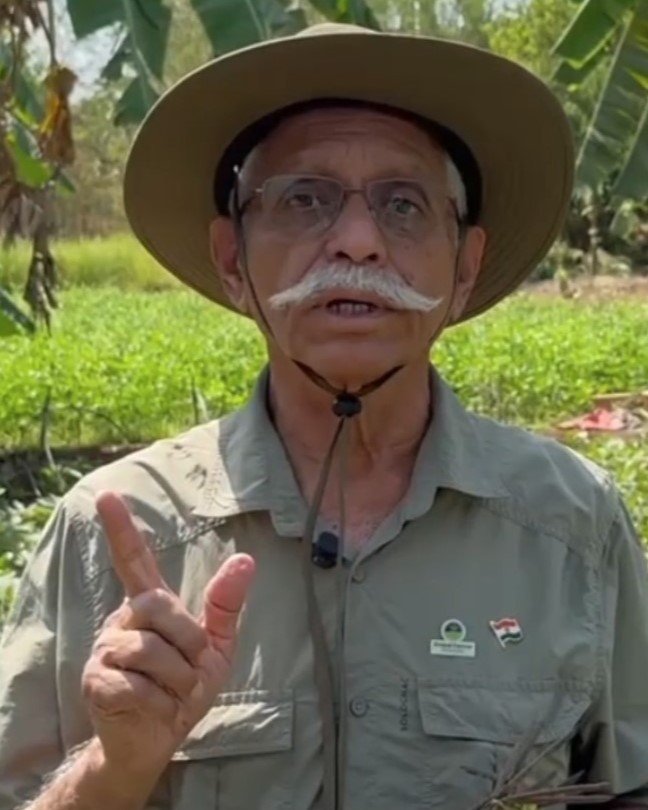
I’ve seen this firsthand on my farm on the west coast of India, where right now we’re heading into monsoon season as we cultivate paddy rice and a millet crop known as ragi or finger millet.
Regenerative agriculture does in fact start with the soil. Everything we grow comes from there. Our goal as food producers is to help the soil thrive today and flourish in the future.
Before my farm focused on regeneration, our soil was hard and compact and light in color. It tended to push water away rather than soak it up. Crops grew here, but looking back, it seems like they grew despite the soil rather than because of it.
I knew we had to do better.
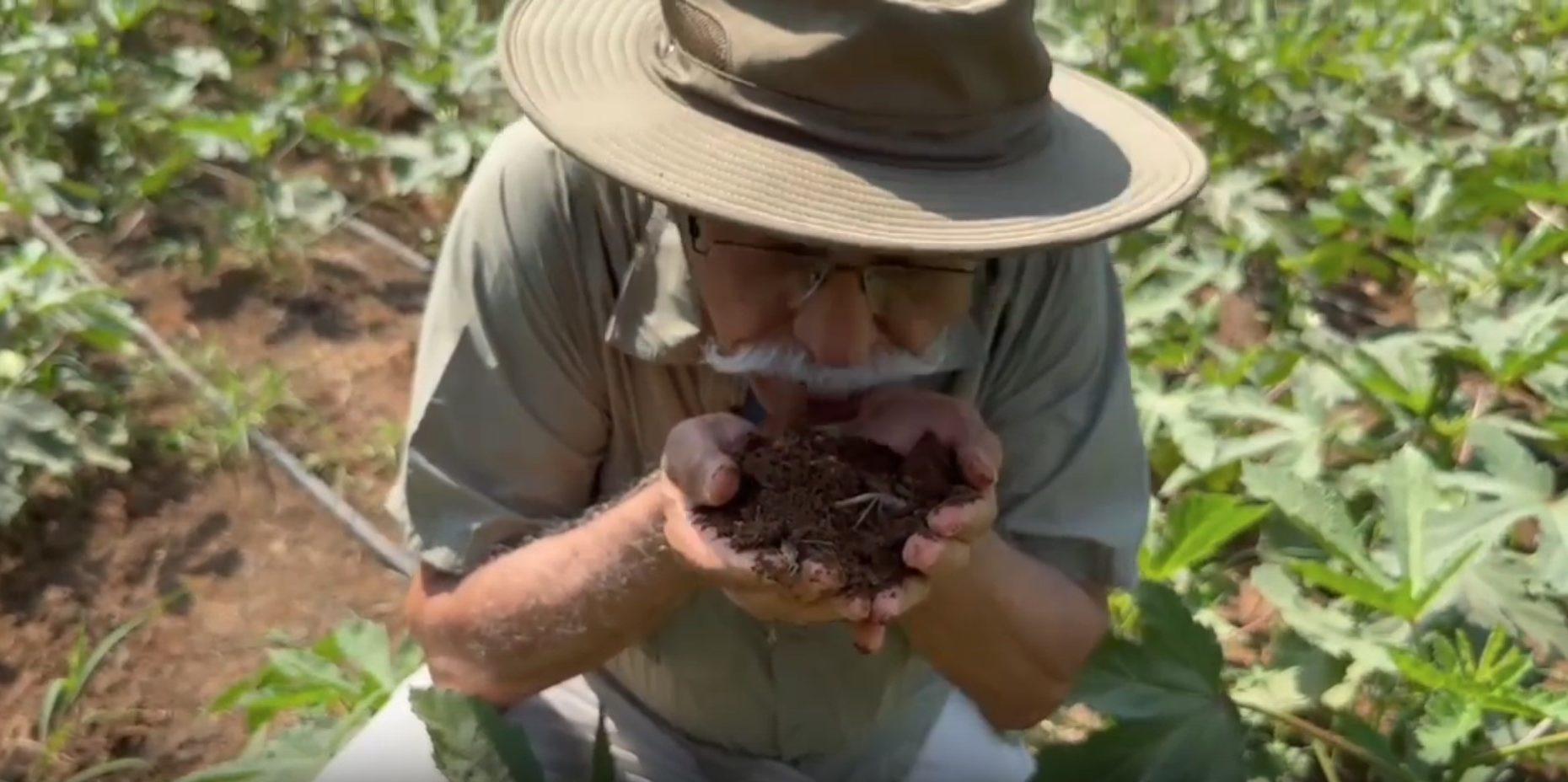
Today, everything is different. The texture of the soil is loose and crumbly. Its color is dark. Water seeps into it. Worms and microbes prosper. The soil even smells better, with an earthy aroma that comes from rich organic content.
Crops love to grow here.
We achieved these improvements through a no-till approach that halted a series of traditional methods that attacked the soil. We no longer plough, puddle, or transplant because each one of these activities puts pressure on the soil and contributes to erosion. Instead, we seek to disrupt the ground as little as possible. We’ve adopted the Saguna Regenerative Technique.
We plant rice seeds by dibbling them on raised beds. We manage weeds by the judicious use of selective weedicides as per the protocols laid down by scientists’ world over. We make sure our dairy cows don’t stampede their grazing areas. During the off-season, and with limited time available for a full crop in a plot, we allow growth of different weeds and suppress them in-situ with the help of weedicides with the objective of attracting microbial biodiversity in the rhizosphere. Our protocol includes rotation of crops.
Because of these practices, our farm is more productive and resilient. We grow more food and cope better with extreme weather. Profitability can go up and down due to market factors that are beyond our control, but regenerative agriculture lets us focus on factors that we can control. We’re less reliant than we once were on inputs such as tillage operations, excess labor, synthetic fertilizers, insecticides, and fungicides. These cost savings contribute to our bottom line, improving our economic sustainability.
Best of all, though, is the regeneration of human dignity.
Outsiders often see farming as mindless drudgery whose demands are physical rather than mental. This is especially true in the developing world, where agriculture can involve manual labor rather than farmer-friendly technologies.
It is, in a word, undignified.
Regenerative agriculture is different. It gives farmers a sense of mastery over their land and autonomy over their lives. Practicing SRT, we no longer feel like laborers of fate, but leaders of a regenerative generation. It requires us to understand ecology, rather than rely on external inputs. By working in harmony with nature, we see how improving soil health can boost productivity. Our work gives us a sense of pride and accomplishment.
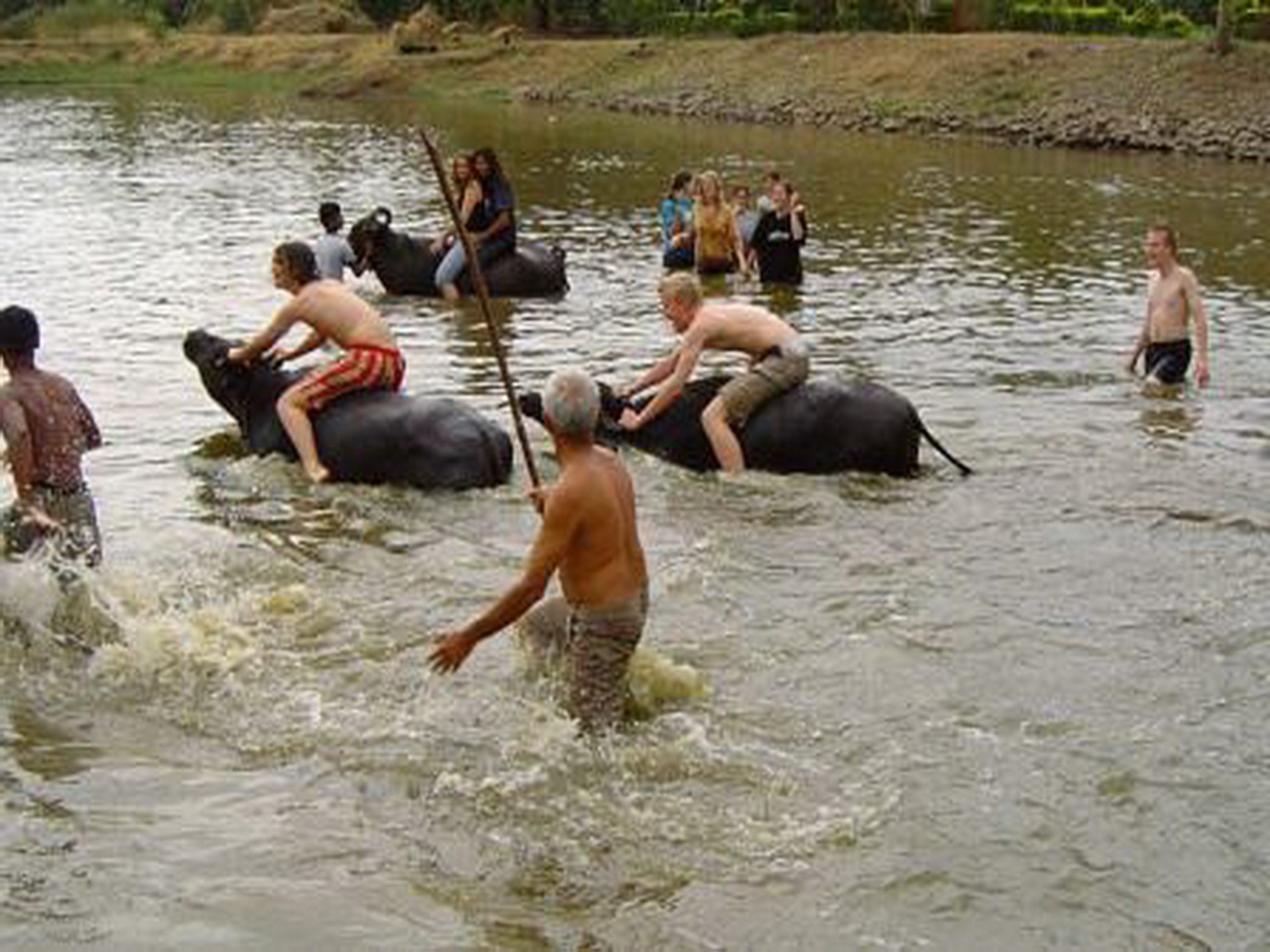
On our farm, we’ve even branched into the business of agro-tourism, which allows farmers to share their knowledge and success with visitors who often come from cities and understand next to nothing about the complexities of food production. This has created a source of revenue, but it also provides another kind of reward by letting farmers show what they do—and see how much others appreciate it.
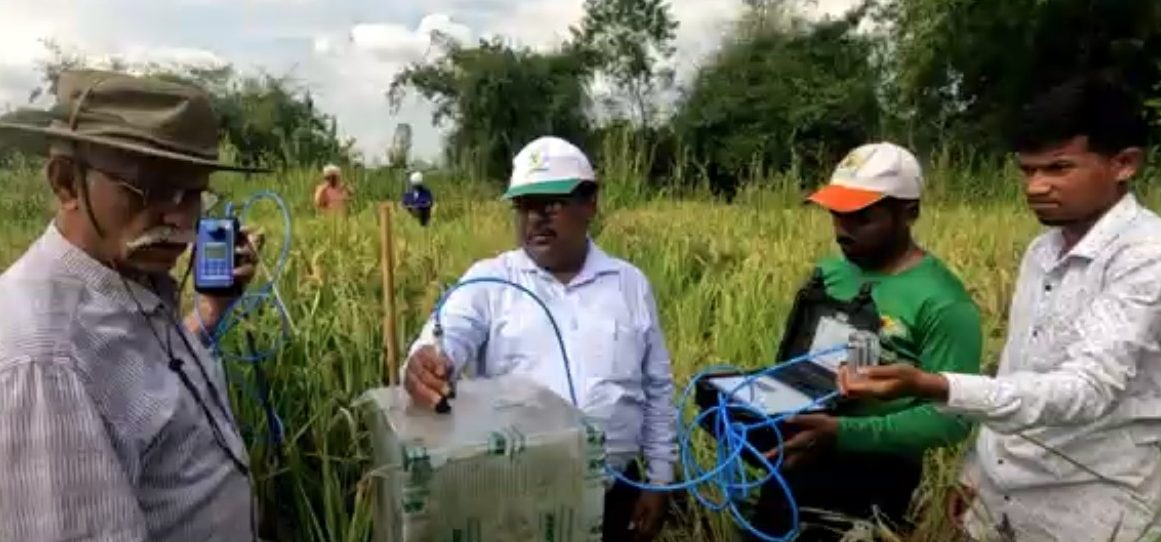
When farmers are mentally engaged in their work, they become better farmers. They understand that innovations can make a difference, experiments are essential, and choices matter. They see the how their actions can improve their lives—and this motivates them to pursue excellence.
Regenerative agriculture is also about the rising generations. It encourages young people to become farmers because they see a future in it.
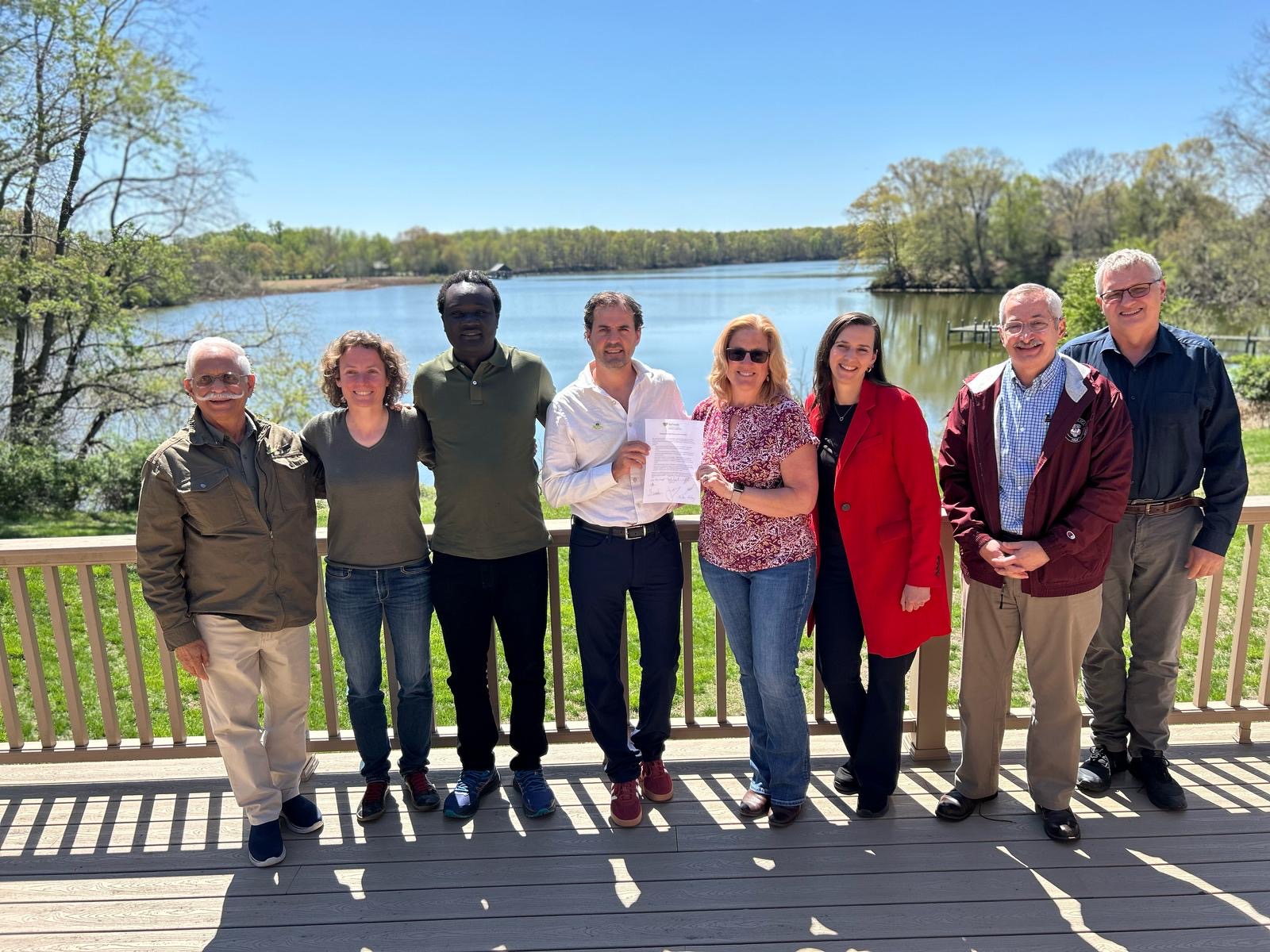
These are some of the reasons why I recently joined fellow members of the Global Farmer Network in writing and signing a declaration on regenerative agriculture. We must increase awareness about its effectiveness among not just farmers but also public officials, policymakers, and consumers as we confront the challenges of soil degradation, climate change, and food security.
Our soil depends on it—and so do our souls.
_________________

Sign the Farmer Declaration and join us as we affirm our commitment to regenerative agriculture as a pathway to improve ecological functions of farming, feed our communities safe and nutritious food, and secure a thriving future for generations to come with dignity and well-being of farming communities as top of mind.
Use the QR code, or click this link to sign.