Kenyan President William Ruto arrived in Washington, D.C., U.S.A., on 3rd December 2025, following a special invitation by President Donald J. Trump, as Chairperson of the East African Community (EAC), for the official signing of the DRC–Rwanda Peace Agreement. This was a landmark accord and the most significant breakthrough yet in efforts to end decades of conflict in Eastern DRC.
His trip to Washington DC marked more than just a diplomatic visit. It was a symbol of the rising stature of Kenya on the global stage and the growing influence of his leadership in world affairs. As President Ruto stepped into the U.S. capital, he carried with him the hopes and ambitions of a modern, forward-looking Kenya and Africa. His leadership, marked by bold economic reforms, visionary diplomacy, and an unwavering belief in the potential of the African continent, continues to position him as one of Africa’s most transformative voices. His visit not only contributed to strengthening of Kenya-U.S. relations, but also underscores President Ruto’s role as a key architect of Africa’s future, a leader capable of shaping continental progress, championing innovation, and inspiring a new generation across Africa.
During the visit, the President did a lot to advance Kenya’s priorities in trade, investment, security, and health cooperation, and witnessed the signing of the Kenya–U.S. Health Cooperation Framework¾a new phase toward sustainable Universal Health Coverage.
Officials in the Trump administration are calling it an “America First” health initiative—and here in Kenya, we’re grateful that the United States is putting Kenya first in the fight against diseases such as HIV/AIDS, malaria, and tuberculosis.
My country is the first nation to benefit from what is expected to be a series of global-health deals. Ours is worth $2.5 billion over the next five years, with the United States contributing two-thirds and Kenya investing the rest.
“Thank you very much to President Trump and his foresight and commitment to the relationship that exists between Kenya and the United States and between the United States and Africa,” said Ruto.
This deal is good for every Kenyan. It’s especially good for Kenyan farmers, who live in rural areas, where access to healthcare is lower.
Now we must take advantage of this moment and do everything possible to strengthen Kenya’s partnership with the United States.
It starts with trade—and there’s a lot of room for improvement and growth.
Two-way trade between the United States and Kenya is worth less than $2 billion (Kes. 260 billion) annually. We buy natural gas, aircraft, and chemicals from the United States. Our top exports are clothing and agricultural goods, such as coffee, tea, and fresh flowers.
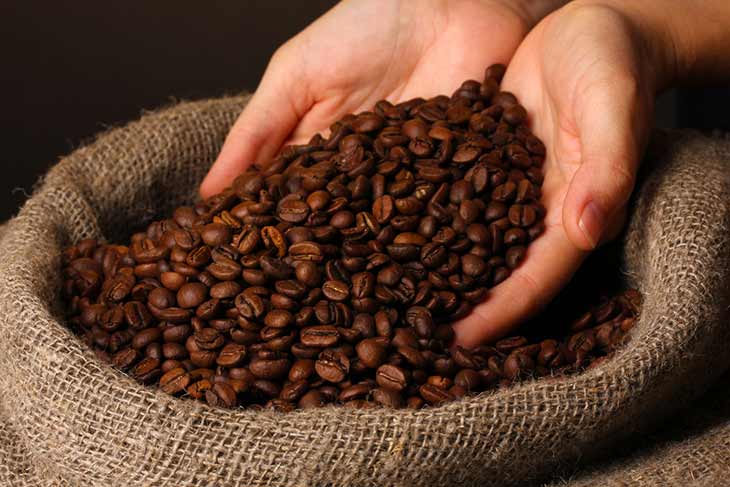
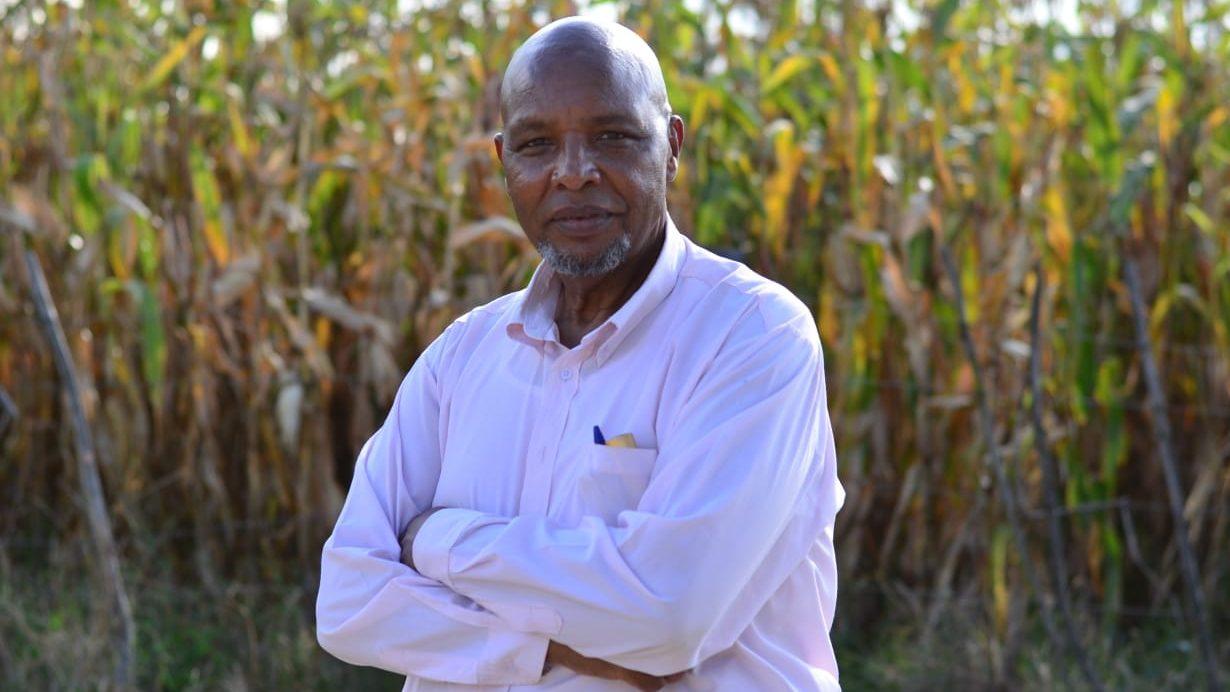
I have a special interest in coffee because I became a coffee farmer four years ago. My county government of Uasin Gishu encouraged farmers like me to take up this high-value crop. I’ve spent my life in agriculture, but I’d never grown coffee. On my small farm, we’ve mostly grown maize (corn) and vegetables and raised dairy cows.
Yet we’re always looking for new opportunities—and in 2021, I jumped at the chance to plant 500 seedlings that now have grown into 3,000 coffee bushes. My first harvest of coffee came in 2024. Next year, I expect to bring more than 1,000 kg of coffee beans to the market.
Kenyans drink coffee, but most of what we produce (our beans) travel across borders to coffee drinkers in countries that can’t grow the crop. One of them is the United States which, apart from a few farms in Hawaii, produces no coffee of its own.
Americans love coffee: Starbucks is their second-largest fast-food chain, in both revenue and number of stores. They need farmers in other nations to supply the key ingredient.
I like to think that Americans can drink coffee that can be traced and sourced back to my farm.
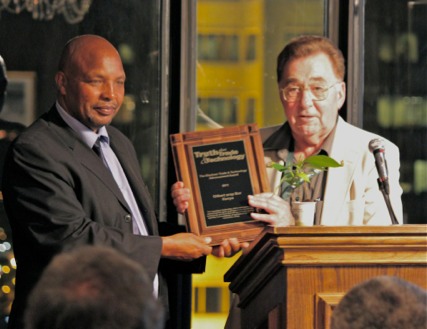
I have a special relationship with the United States. I was a student at Southern New Hampshire University in 2006. I’ve also visited many times as a member of the Global Farmer Network, including a trip to Des Moines in 2011 to become one of the first recipients of what is now called the Kleckner Global Farm Leader Award. I also have many relatives in the United States, including some who have become citizens.
This reflects the long friendship between Americans and Kenyans. Our two peoples have much in common, including the fact that we both gained our independence from Britain. For Americans, it was way back in 1776. For Kenyans, it was much more recently, in 1963/64. Yet we have a shared political legacy, which includes a commitment to democracy. We also speak a common language: English is one of Kenya’s two official languages (along with Swahili) and it is our language of government and higher education.
We are allies in other ways as well. Kenya currently leads an international peacekeeping force in Haiti, where hundreds of our police officers seek to reduce gang violence and bring stability to a troubled country that is in America’s backyard. If our forces succeed, they will reduce the pressure of illegal immigration to the United States.
The United States helps Kenyan security as well. President Trump played a key role in the new peace agreement between the Democratic Republic of Congo and Rwanda. If the peace holds, it will bring stability to our region and make it easier for Kenyan farmers to sell what we grow to our neighbors.
So, Kenya and the United States must continue to work together—on national security, on healthcare, and above all on the international trade that can help us both prosper.