I once lived in a shed.
When I started farming a dozen years ago, I didn’t have a proper home. I didn’t own any real agriculture equipment. There was no electricity. My access to the internet was limited. And I couldn’t get a loan from a bank.
A lot of people thought I’d fail as a farmer—and many of them thought I’d fail simply because I’m a woman.
There were times when I questioned everything, but my determination was stronger than my doubt—and I’m encouraged that the Food and Agricultural Organization of the United Nations has chosen to recognize 2026 as the International Year of the Woman Farmer.
It’s good to be noticed. Women are the hands behind the harvest as well as the minds shaping the future of agriculture.
Most consumers probably don’t care if their food comes from farms run by men or women or both. They just want healthy and delicious food.
What they may not realize is that without women farmers – especially in Africa – we would not eat. Women make up 43 percent of the global agricultural workforce. The rate is even higher here in Africa, where women are credited with producing 70 percent of our continent’s food, according to the World Economic Forum.
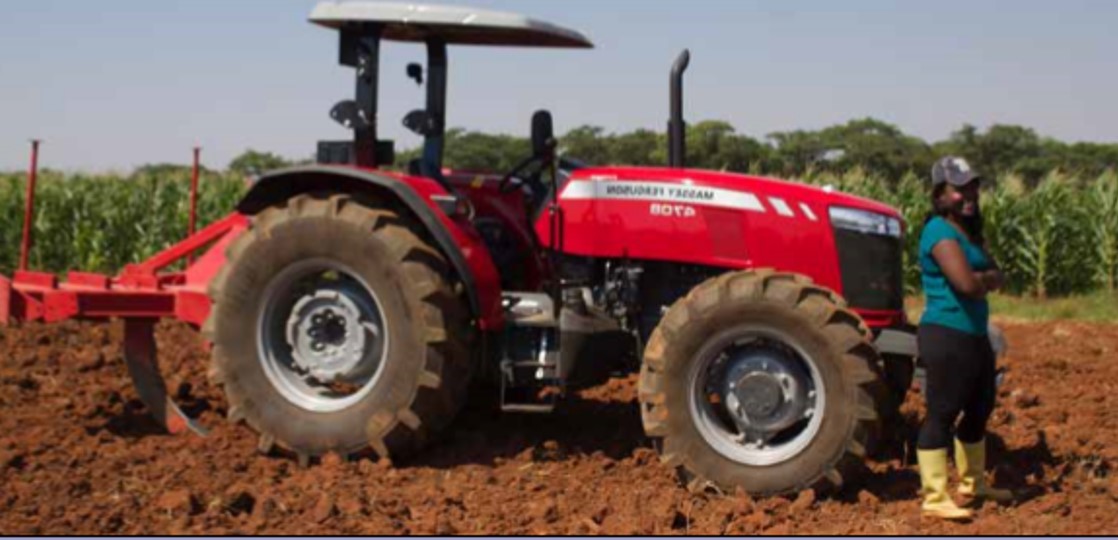
I’m proud to be one of these female food producers. On my farm in Zimbabwe, I’ve moved out of the shed and into a proper home. I’m running a successful operation, where I grow no-till maize and potatoes. I’m also adding legumes for crop rotation. I also grow eucalyptus trees, which isn’t food but is still a part of my agricultural business. The wood from these trees becomes material for building as well as fuel for burning.
It was a struggle to get started. Despite my humble beginnings, I’m now doing well—and I have big plans to do better. I also have big ambitions for African agriculture, which, today, trails the rest of the world in food productivity.
I want all farmers to flourish, both men and women. We face the same challenges: poverty, climate change, and access to technology, markets, and finance.
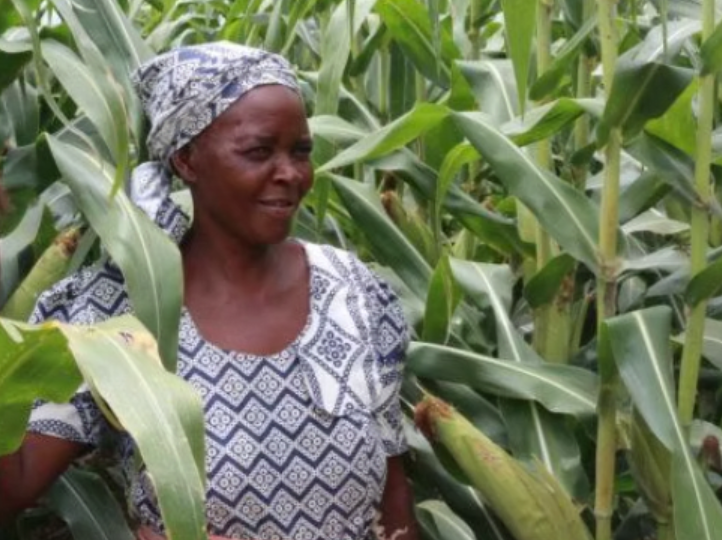
I also know that flourishing farms require strong women. And if African agriculture is ever going to meet its potential, we must seek specifically to empower its women farmers. We must invest in this half of humanity.
Our contributions are often invisible. Women work long hours in the fields, often engaged in hard labor with primitive tools such as hand hoes and ox-drawn plows. We sort, clean, and pack food. This makes us indispensable links in national and global food chains, but many of us marry at a young age and don’t pursue the advanced education that the best farming demands. These factors can hold us back.
Meanwhile, men tend to occupy leadership roles. They drive the conversations that turn into policy. And they usually own the land.
Fewer than 13 percent of African women under the age of 50 are the sole owners of land, compared with 36 percent of African men, according to the World Bank. Even with joint ownership, there’s a gender gap: Only 38 percent of African women report owning any land at all, compared with 51 percent of African men.
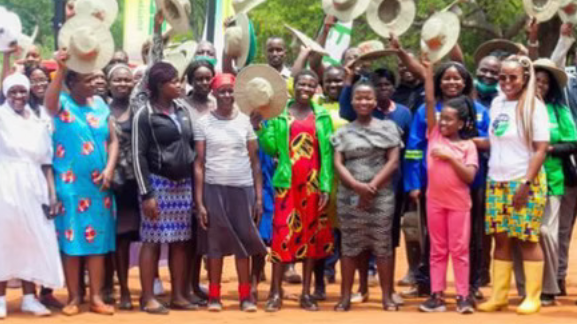
That’s one of the reasons why I started Mnandi Africa, an organization that seeks to encourage women in farming. We offer training to improve knowledge. We also provide access to tractors, planters, and other mechanized equipment.
We’ve aided thousands of women. One of them is Mbuya Rufandike.
“I always thought farming was meant to hurt my back,” she told us. “Here I am, 60 years old, and farming without feeling the pain of bending because we can now use tractors.”
Mbuya has dedicated her working life to food production, at great personal and physical cost. When we put tools and technology in the hands of farmers like her, however, agriculture is no longer a punishment. It’s an opportunity.
In the International Year of the Woman Farmer, let’s listen to what Mbuya is telling us.