I’m blessed to have harvested my 51st crop last fall—and the soybean yields were the best I’ve ever known.
Everything was perfect. Seed technologies gave us amazing potential from the moment we planted. Rainfall was plentiful but not a deluge. Temperatures were hot but not scorching.
The corn yields also have been excellent, though I doubt I’ll ever again see anything like these soybeans.
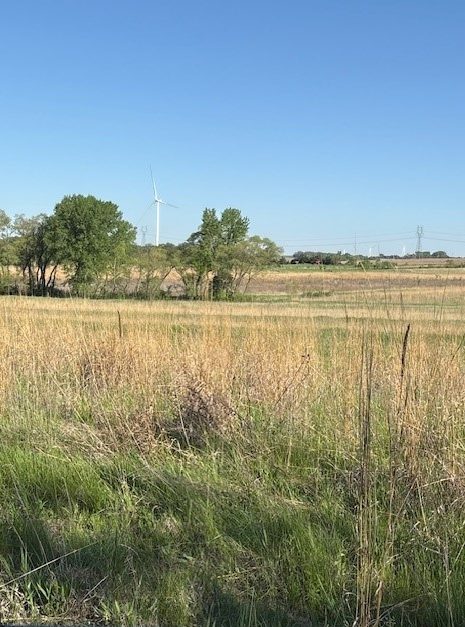
Yet I may be proudest of a few acres that I didn’t even farm.
Amid our big fields of crops—soybeans, corn, sorghum, and more—we’ve preserved a section of pure prairie.
Nobody has ever cultivated it.
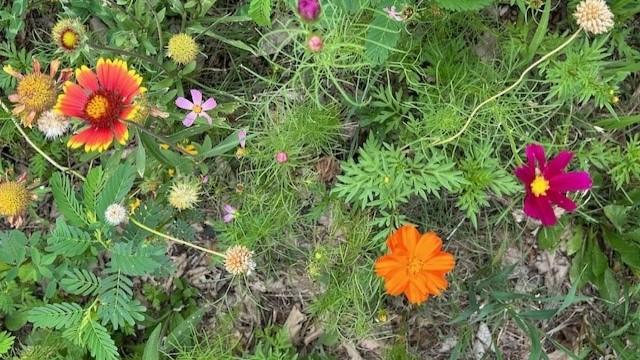
This patch of 16 acres is full of native grasses and beautiful flowers. This is how the land looked before settlers arrived, broke the ground with their plows, and transformed Iowa into a state that is now 85 percent farmland.
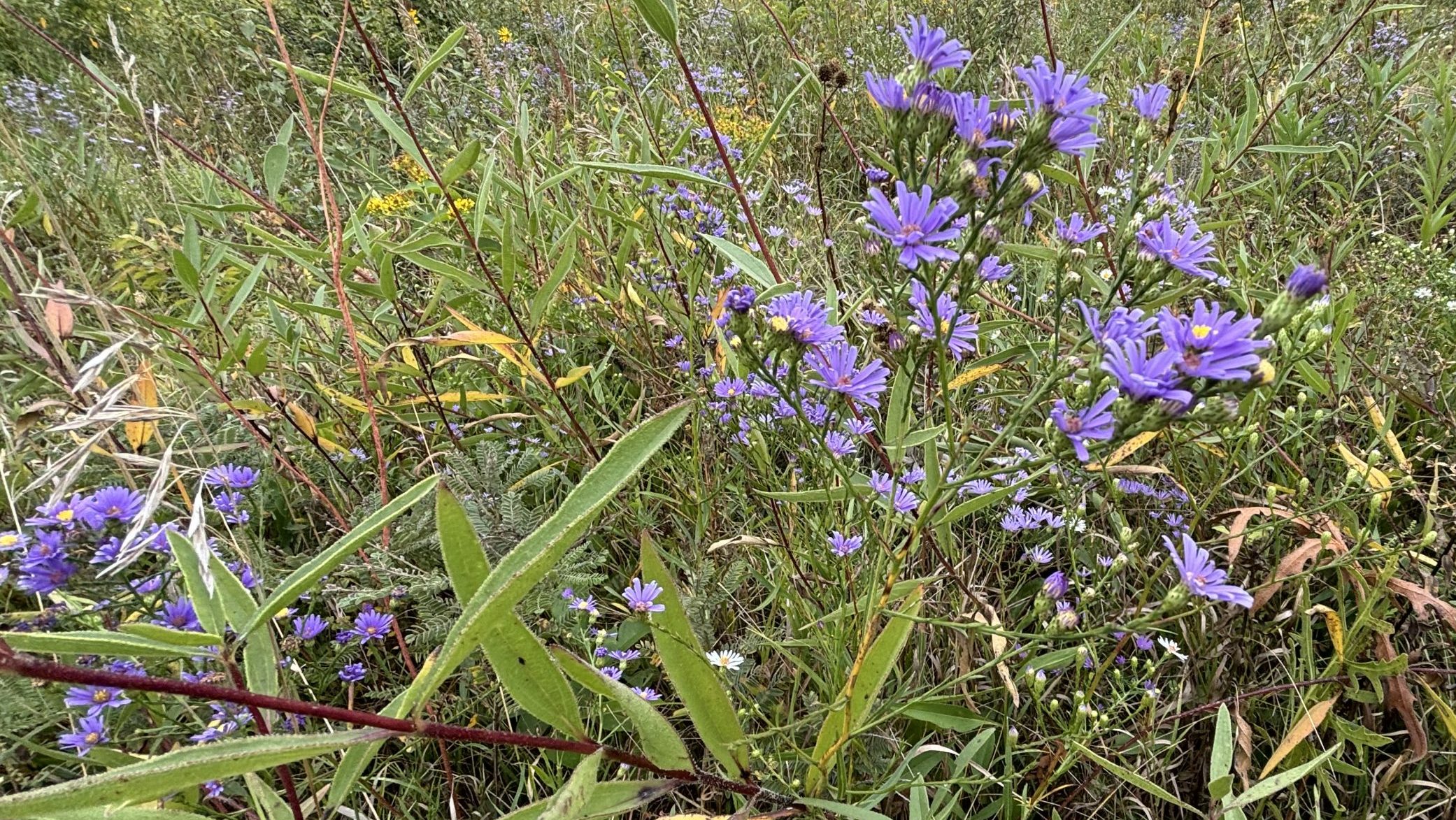
Think of it as one part “Jurassic Park” and one part “Field of Dreams.” It provides a glimpse of the way things used to be in the distant past, reveals a little piece of heaven here on earth, and shows how Iowa’s agriculture can support conservation and biodiversity.
When the flowers are in bloom, you won’t find a more beautiful piece of dirt anywhere.
My grandfather could have turned it into farmland long ago, but he used the grass to feed his horses. My father understood the value of its pollinators—the beneficial bugs that help plants and trees thrive.
For my part, I see these acres as an important element of our heritage. I also view them as a resource. Students from the FFA (Future Farmers of America) visit and learn. Researchers from Iowa State University come to study a beaver dam. Ladies from the local garden club walk the site and enjoy the blooms that change from week to week. They’re never the same and always gorgeous.
Our bit of prairie also has given me something to do as I’ve slowed down and my boys have taken over the major responsibilities of the farm.
We built a tiny house, where I can relax with my grandkids, who like to camp out, run around, and watch the wildlife. We also made it accessible. The farms of my neighbors surround these acres on three sides, and they’re across a creek from my property. After a small bridge washed out, we had to ford across the water. Now, however, we created access by parking a couple of flatbed trailers to create a crossing that lets us drive vehicles back and forth.
A generation ago, this creek held no fish. Today, the fish are flourishing, thanks to the conservation efforts of farmers.
The media is always recounting scary stories about how the environment is supposedly getting worse. They rarely give us the good news—and in my area, the environment is getting better. We can see it with our eyes.
This takes effort. A few years ago, after our cattle operation reduced its runoff, we won an environmental stewardship award.
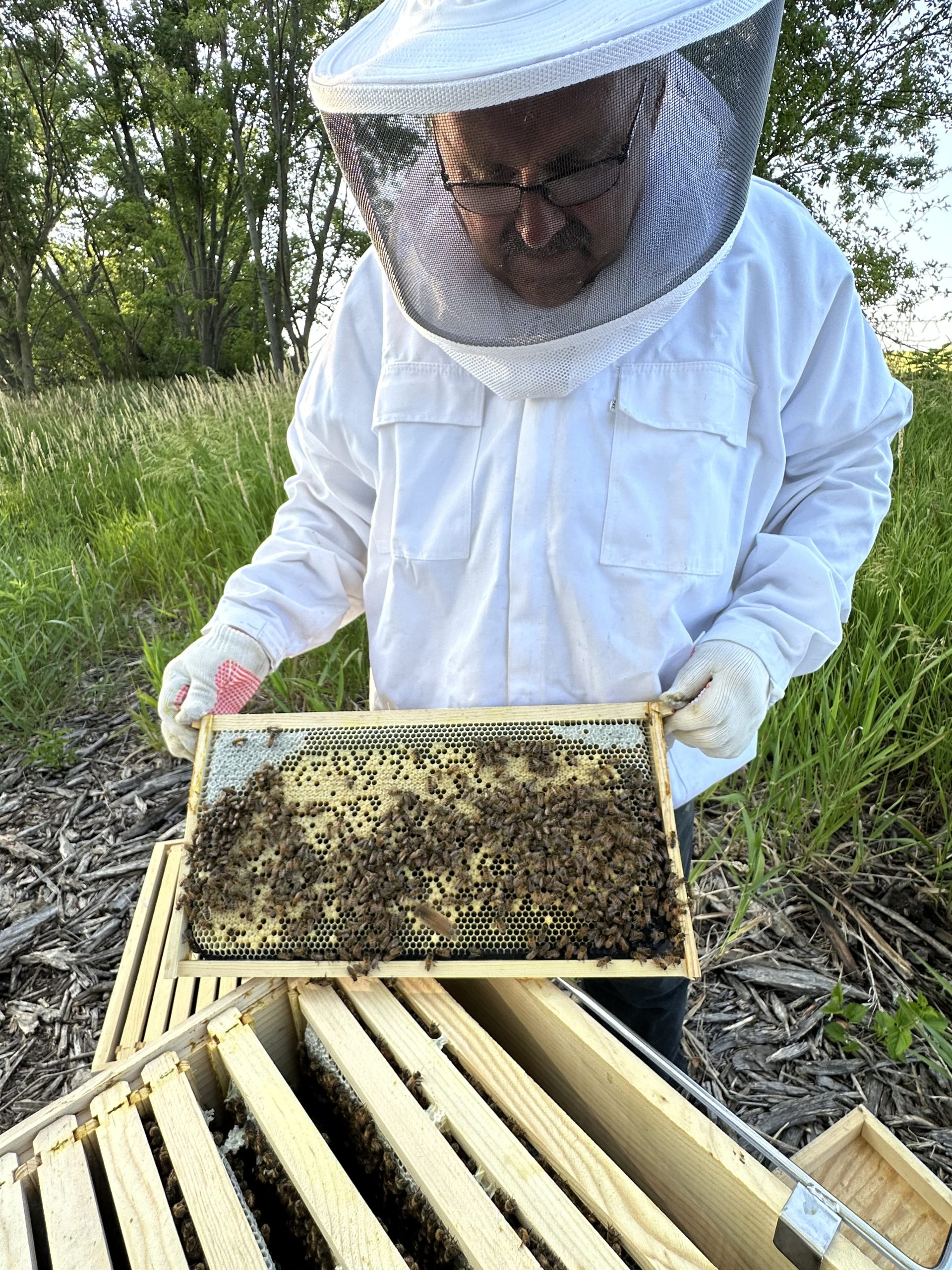
I’ve also started to produce food on this unblemished land. I’m not growing crops—but I’m making honey.
As I was looking for something extra to do, I bought a beehive. After setting it up, I drove back and bought another. Last year, I had six of them on the prairie acres and eight in total. I’ve liked this project so much that I plan to have close to 30 in 2025.
There’s nothing like putting on a bee suit with a grandson and checking on the bees together.
I’m also using their honey. I don’t sell it, though. Instead, I’m giving it away to friends and acquaintances, in bottles that carry the logo of the Global Farmer Network. I serve on the group’s board, and the gifts let me brag a little as well as spread the word about farmers who are growing food and protecting the biodiversity of our surroundings in sustainable ways around the world.
Here in Iowa, I’m looking forward to completing my 52nd year of farming—and new ways to work the land and share its story of bounty and beauty.