The black birds were a good omen.
We didn’t know it at the time. We just thought their appearance on our farm was unusual. The black ibis is a rare sight in our village.
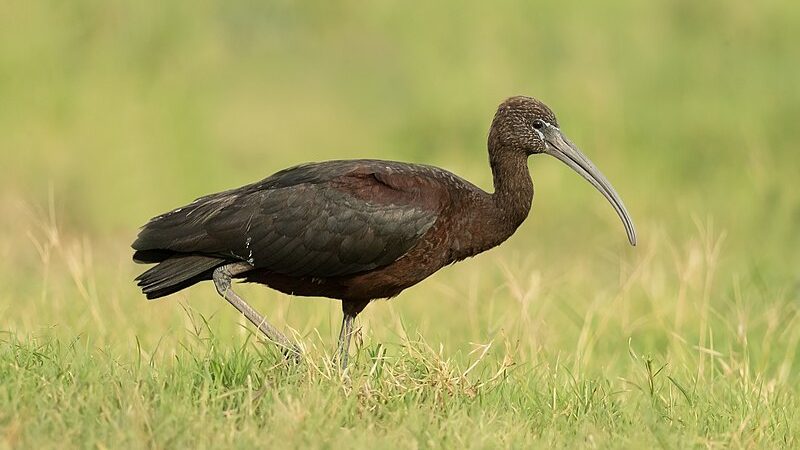
The arrival of these birds in the dozens heralded what we now can celebrate as a breakthrough in the cultivation of rice: The ability to grow this staple crop with greatly reduced methane emissions.
We call it the Saguna Regenerative Technique—a no-till approach to agriculture that can simultaneously improve productivity and soil health and reduce water consumption and greenhouse gases while making a rice farmer happy.
This is a huge victory for sustainable rice farming, especially smallholder rice farmers of Asia.
This story starts in the 1990s, as I began to explore alternatives to traditional rice cultivation. I wanted to eliminate the ploughing, puddling, transplanting and flooding fields that has allowed rice farming to flourish around the world but also has made it burdensome.
I wondered whether there might be a better way, while I toiled to grow rice (unprofitably) by traditional methods.
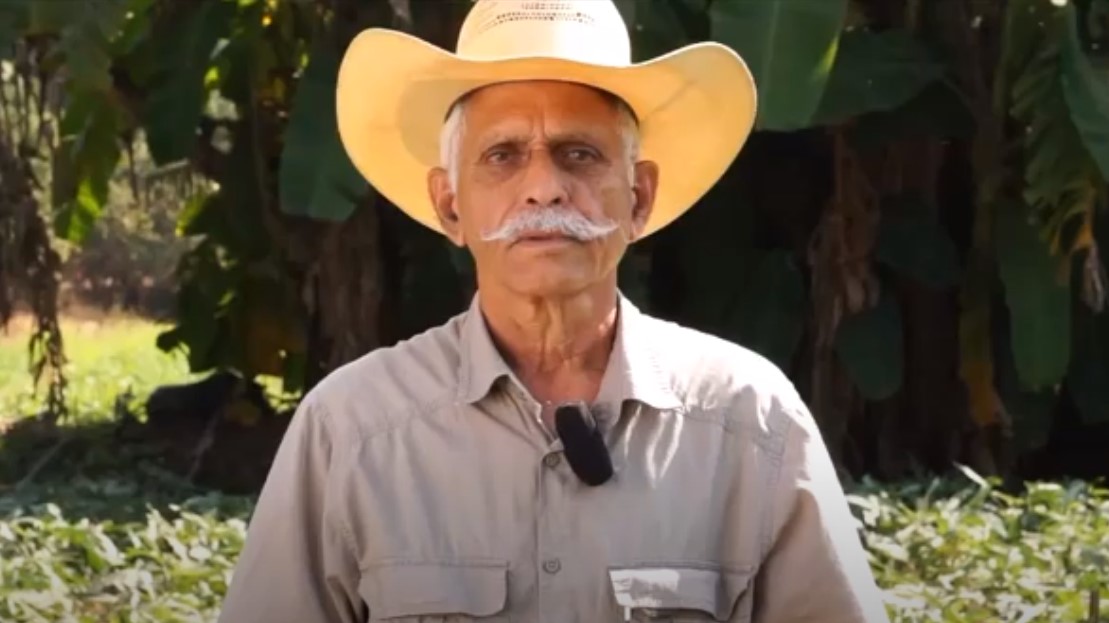
On our 50-acre farm, we grow everything from vegetables to mangoes. We also raise fish and livestock, practice agroforestry, and participate in agrotourism. During the rainy season, we produce about 25 tons of paddy rice, which can be milled into the white and brown rice that most consumers know.
It’s a major crop for us—and a staple crop for millions of other farmers, especially in the developing world.
The SRT offers a new way to grow rice. Instead of ploughing and puddling, it focuses on soil health by leaving the roots of previous crops in the ground rather than ripping them out. A safe herbicide helps turn the dying root mass into food for beneficial microbes. This biodiversity improves the richness of the soil, making it more fertile for future crops.
When I tried SRT, my goal was simply to grow more food and use fewer resources.
Then the black ibis birds arrived.
They were attracted by the earthworms, which were everywhere, thriving in the soil we had protected with SRT.
Their abundance signaled the presence of oxygen-rich, aerobic sub-soil conditions. We discovered a study from Yokohama National University in Japan. It showed that the earthworms play a critical role in reducing methane emissions.
Contrary to popular belief, methane emissions in agriculture are not primarily the result of fertilizer or crop-protection products. The real culprits are bacteria that grow in oxygen-deprived conditions and trapped water.
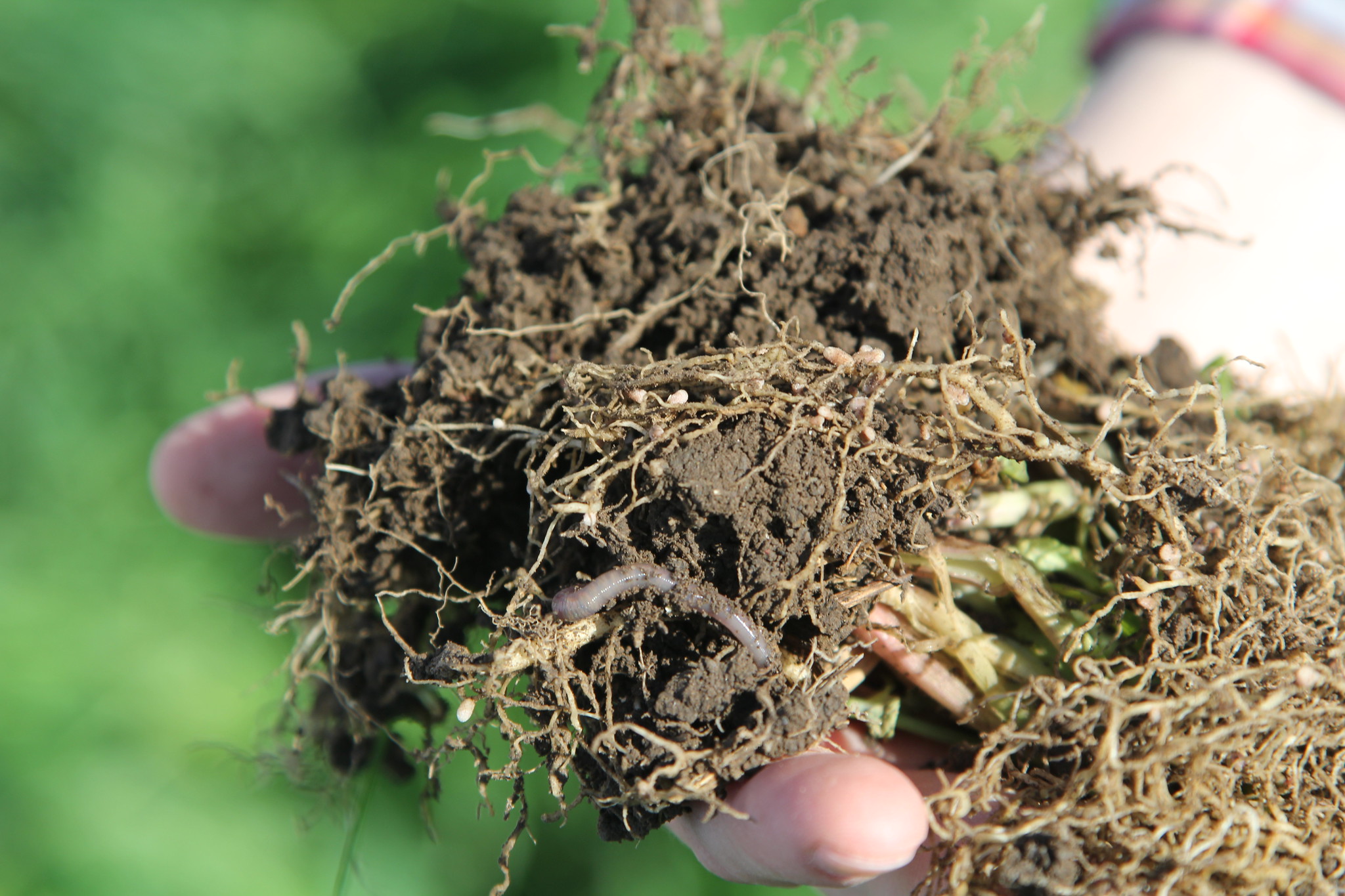
Earthworms, however, discourage these bacteria. As they burrow through the soil, they create natural pathways for air and water to penetrate the root zone. Working in conjunction with SRT, they can cut methane emissions in rice fields to almost nothing.
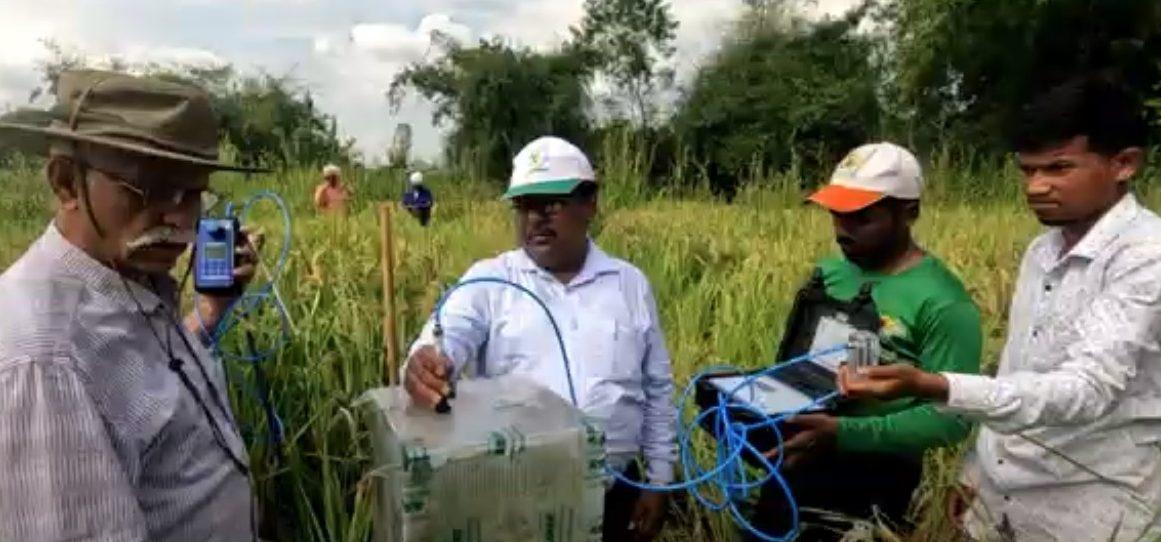
We proved it last month, when we took a biogas methane analyzer into our rice fields to search for methane. As this video shows, SRT slashed methane emissions to just a fraction of the levels associated with traditional methods of rice cultivation. (We report our findings in greater detail here.)
This rice crop test showcases SRT as a powerful tool in the fight against climate change.
There is additional good news. I adopted SRT on my own, without a directive from my government or an altruistic motive. I was just looking for a better way to grow rice—and I expect it to raise my productivity by as much as 50 percent. That’s the experience of farmers who have adopted SRT for cotton, corn, soybeans, pulses, millets, and more.
The reduction in methane emissions is an important byproduct. It’s now becoming an integrated part of our farming system, driven by a simple desire to make farming more sustainable.
In other words, nobody is forcing me to take up SRT. I’m choosing it on my own so that I can be a better farmer—and it turns out to have a significant and helpful side effect.
This is a potent example of what can happen if we treat farmers as partners rather than enemies in the fight against climate change.
My next task is to publicize this important finding. I’ll encourage rice farmers in India and elsewhere to learn about SRT and introduce it in their fields. Working with my partners in the Global Farmer Network, I’ve already started conversations with farmers in Japan, Nigeria, Thailand, and Vietnam.
Farmers are innovators who adapt to their settings and circumstances. We’ll change the world for the better if we can enjoy access to the best ideas and technology.
For me, it started with black ibis birds enjoying access to my farm.