Farmers always strive to do more with less.
Sometimes our commitment to sustainability even allows us to make something from nothing.
That’s what I’ve learned from tree farming in Zimbabwe.
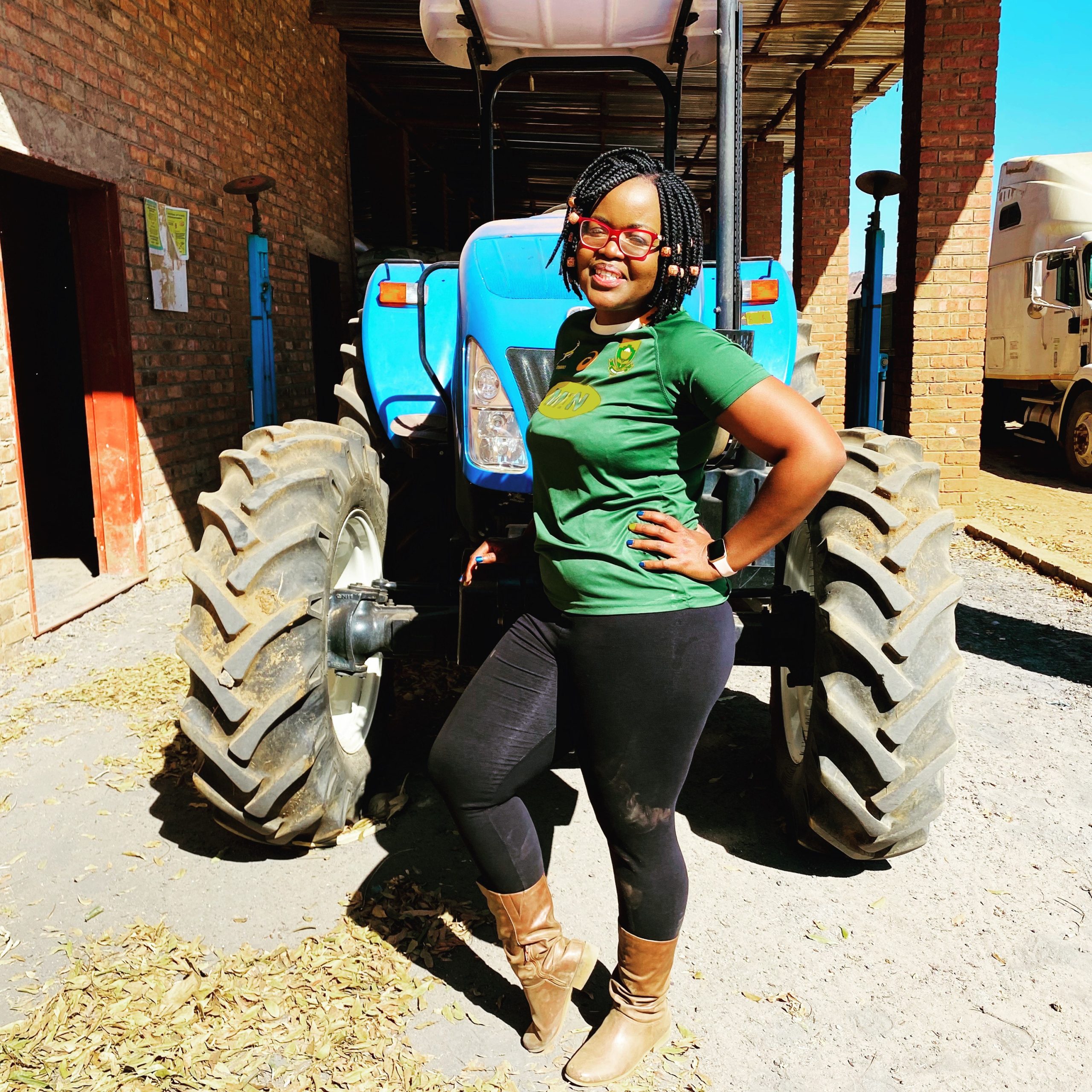
I didn’t set out to become a tree farmer. My goal is to grow food—and that’s the bulk of what I do today, with corn, cabbage, and potatoes. These are traditional crops in my region. We plant them, raise them, and sell them in a single season.
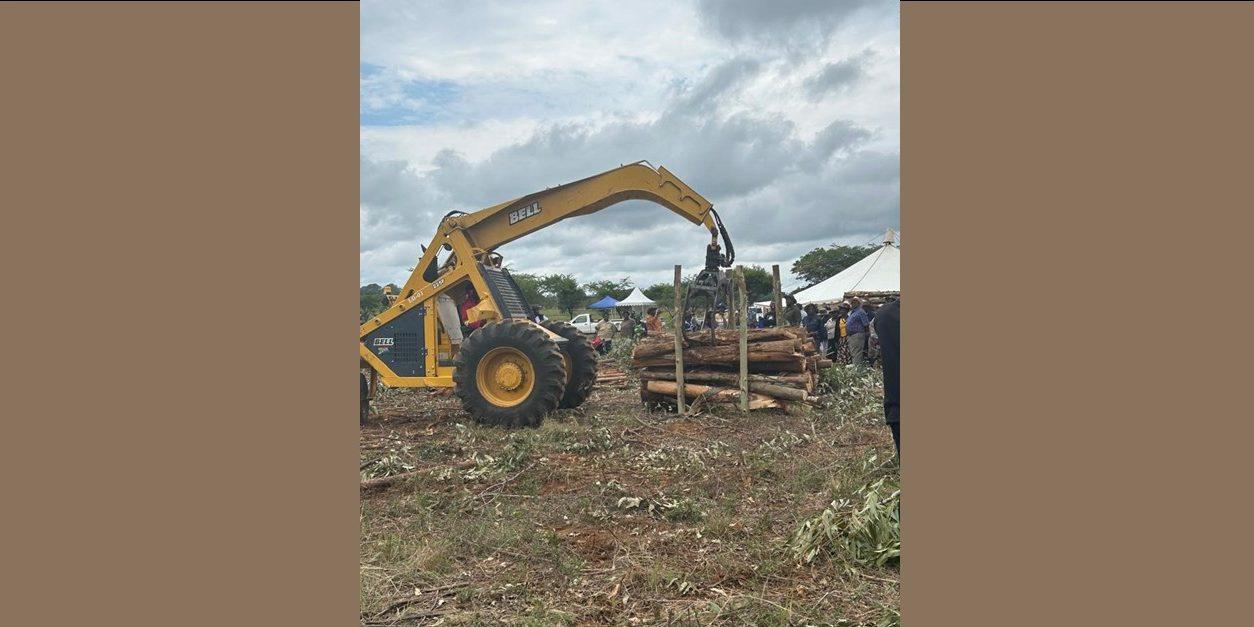
Right now, however, we’re harvesting a hundred hectares of eucalyptus trees that I planted a decade ago.
That’s because I was presented with a remarkable opportunity to make something from nothing.
When I was getting started as a farmer, I had more land than capital. I could afford to cultivate only a portion of what I owned. A lot of my land would lie fallow until I had built up my business.
Then I heard about a market for eucalyptus trees. Tobacco producers bought the wood and chopped it up to fuel the furnaces they fired for curing leaves. There are other uses, too: Most of the wood we’re presently cutting on my farm will become building supplies.
There are hundreds of species of eucalyptus. They come in all shapes and sizes, from short bushes to tall trees that tower above us. Most are native to Australia and Indonesia, but they can grow in many other places—and bringing them to Zimbabwe is a good example of why farmers often look beyond their own borders for material and ideas.
When I learned about the opportunity to grow eucalyptus trees, I jumped at the chance to turn what would have been idle hectares into productive farmland.
One variety of eucalyptus tree was perfect for the soil and climate of my farm. It was much better than native trees. It would grow big and tall in difficult conditions.
It also would grow quickly—but “quickly” is a relative term. The hope was that we’d move from planting to pay off in seven years. The reality is that it took ten to achieve our goal of cubic meters, due to a drought that slowed the growth of the trees.
That’s a long time to wait for a harvest. Farming involves a lot of patience—and farming eucalyptus trees requires more patience than any crop that I’ve ever worked with. You have to wait for a forest to grow.
In time, the trees mostly take care of themselves. They are low maintenance. That’s another part of the attraction.
Yet starting up poses a few challenges – some that you can control and others that you cannot. You have to get lucky with the weather, because establishing the trees requires a good amount of rainfall so that their roots will grow. Once the roots reach a certain depth, the trees can rely on water in the ground and survive a dry spell.
A few tasks are ongoing. We check the trees for disease and remove the unhealthy ones. We also must protect them from the fires that can roar across the veldt. The solution is to create firebreaks, such as mowing the grass that surrounds our eucalyptus forest.
One of the unexpected outcomes of growing eucalyptus trees is that local herbalists—usually older men and women—will scour the forest floor, searching for the plants they use to make their homemade medicines. At first, I didn’t want them on my property. I’m also skeptical of folk remedies. But soon I learned that their presence was harmless and perhaps it even does a bit of good, if it supports a community’s local traditions.
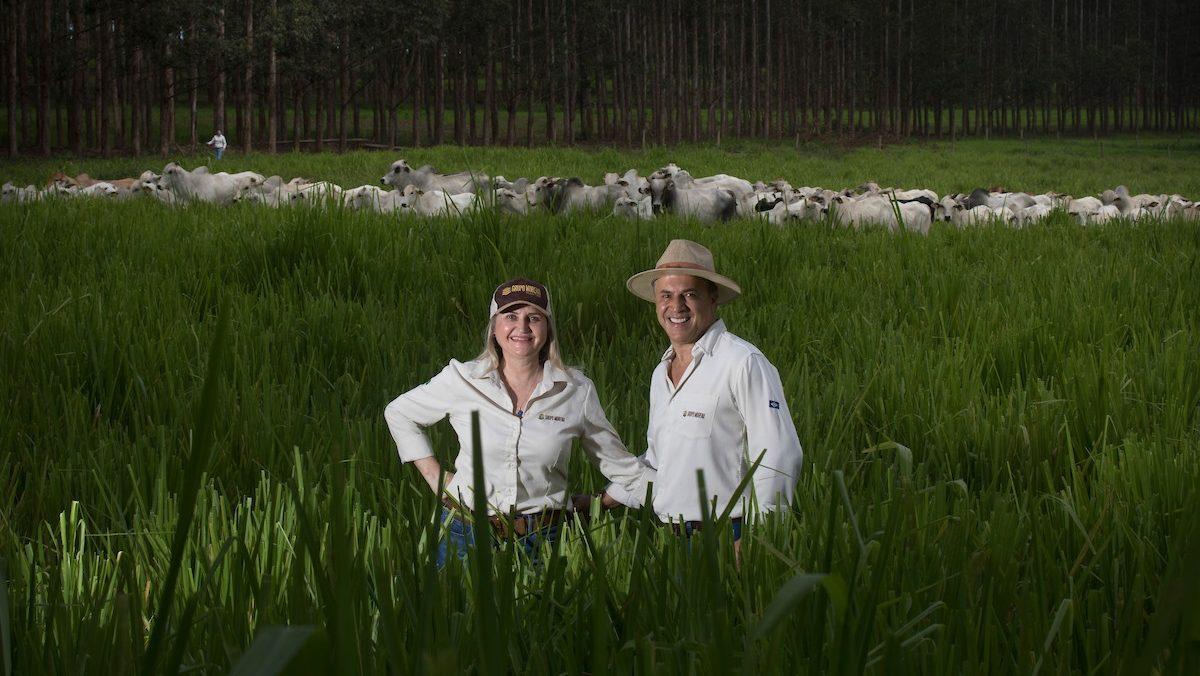
Around the world, farmers have found many uses for trees. In Brazil, they are a key part of an integrated management system for crops and livestock. In the United States, farmers are seeking to save the chestnut tree—and chestnut harvests—with biotechnology.
Here in Zimbabwe, I plan to keep growing eucalyptus trees. As we cut them down during the harvest, reducing them to stumps, we don’t kill them. Instead, they grow back—and because our trees are now mature, we may need to wait only six years until the next harvest.
We’re going to keep on farming in a sustainable way—and continue making something from nothing that delivers value to my farm, my community and the environment.