Your favorite beer may come from my farm in North Dakota.
Making it also depends on brewers in Mexico—but behind every beer in the world is a farmer like me, who grows an essential ingredient.
The first thing you’ll see when you walk into my farm’s office is a sticker on our fridge, that in bold letters reads “No Barley, No Beer.”
Let’s remember this key point as we approach International Beer Day, which falls on August 1st this year.
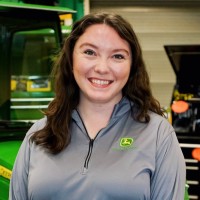
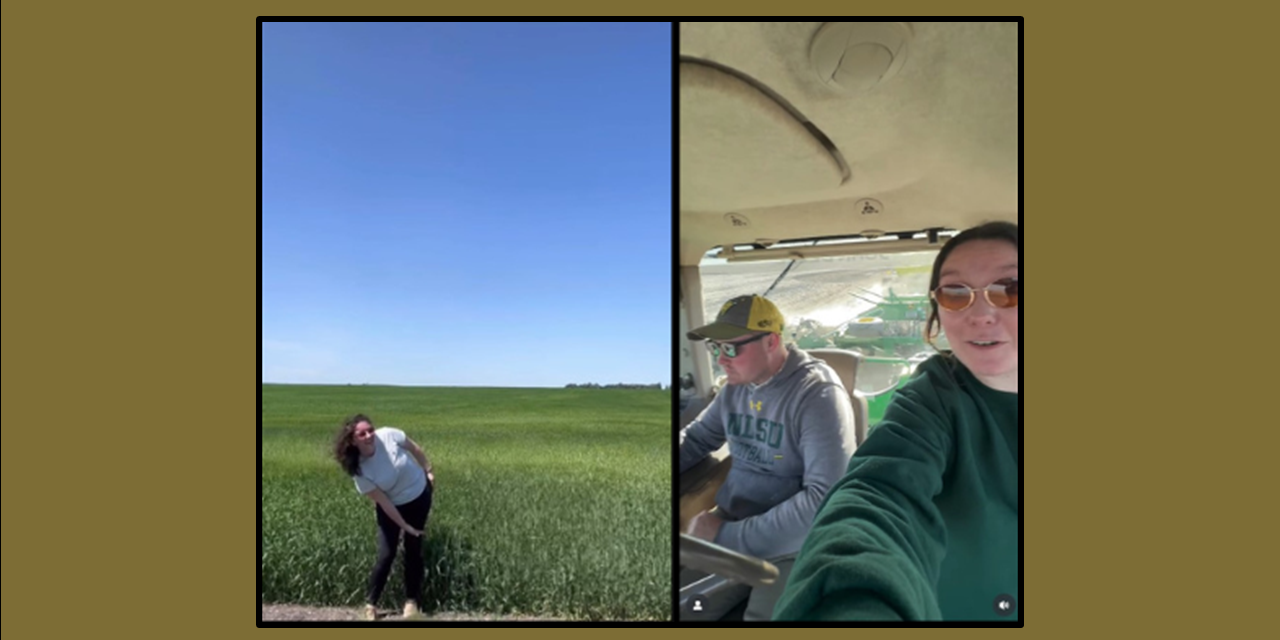
I’m a fifth-generation farmer who lives just ten miles from the border with Canada. In addition to barley, we grow soybeans, wheat, and canola. We produce these crops in equal measure and rotate them to protect the soil and keep it healthy.
But, to me, barley is the most fun because it goes into the beer that we love.
From a distance, a field of barley looks like a field of wheat. It’s green in the spring and turns gold as it matures, creating what the patriotic song calls those “amber waves of grain.”
We strive to make an excellent ingredient for a delicious product. The two brands that our barley supports are Modelo Especial, which is now the best-selling beer in the United States, and Corona Extra, a popular lager known for its crisp taste and beach commercials. When most people crack open these beers, they may envision time at the beach, or on a boat. When I enjoy mine, I picture my hours spent in a tractor, the investment I made in seed, my farm’s team of people taking the time to care for the crop, and my plans for the next crop year to do it all again.
No matter what you picture, when you go to the store and reach for one of these beers, you know exactly what you’re getting. You’ve tasted it before and you’re going to taste it again. You’re confident that you will like it.
The consistent and reliable flavor is the result of hard work—and dealing with challenges on the farm that make every day different.
First is the weather, my primary co-worker that will never tell me its plans or have consideration for mine. It can be hot or cold and wet or dry. Conditions may last for just a day or stretch to a week or a month. Every kind of weather affects the growth of our crops, and we adjust to what Mother Nature throws at us.
To plant, we need warm temperatures and dry fields. When we’re lucky, we can start in early May. When we’re unlucky, we wait—and sometimes our planting doesn’t finish until June. It’s always a race because the growing season in North Dakota is short. Harvest is in September. The joke that we have nine months of winter is based on the truth.
As our plants grow, we feed them fertilizer and protect them from threats. Pests are not a huge problem in our area, but FHB (Fusarium Head Blight), which is a fungal disease, can hurt quality and suppress yields. We consult with specialists to make sure we fight it in effective and sustainable ways.
A good way to ensure a strong barley crop is to prepare the soil for success. We till our fields as little as possible, because turning over the dirt exposes it to erosion. Much of our farm is in fact no-till, but some areas collect a lot of moisture. We till these spots to dry them out when preparing to plant the field. This blended practice is what many call “minimum till”.
Many no-till and minimum-till farmers use cover crops to defend their fields when they’re not growing cash crops. Our climate doesn’t allow for this because our soil typically freezes one to two weeks after harvest, not allowing for growth of another crop over the winter months.
Our goal each summer is to grow barley that flourishes in the field and contains the right amount of protein as it heads off for malting. We usually succeed at meeting the high standards set by our beermaking partners, but if the crop fails the strict quality parameters, we then look for alternative options to sell that grain, such as feed.
My objective, of course, is for all our barley to become beer. That’s the best result. I want this as a farmer.
I also want it as a beer drinker.
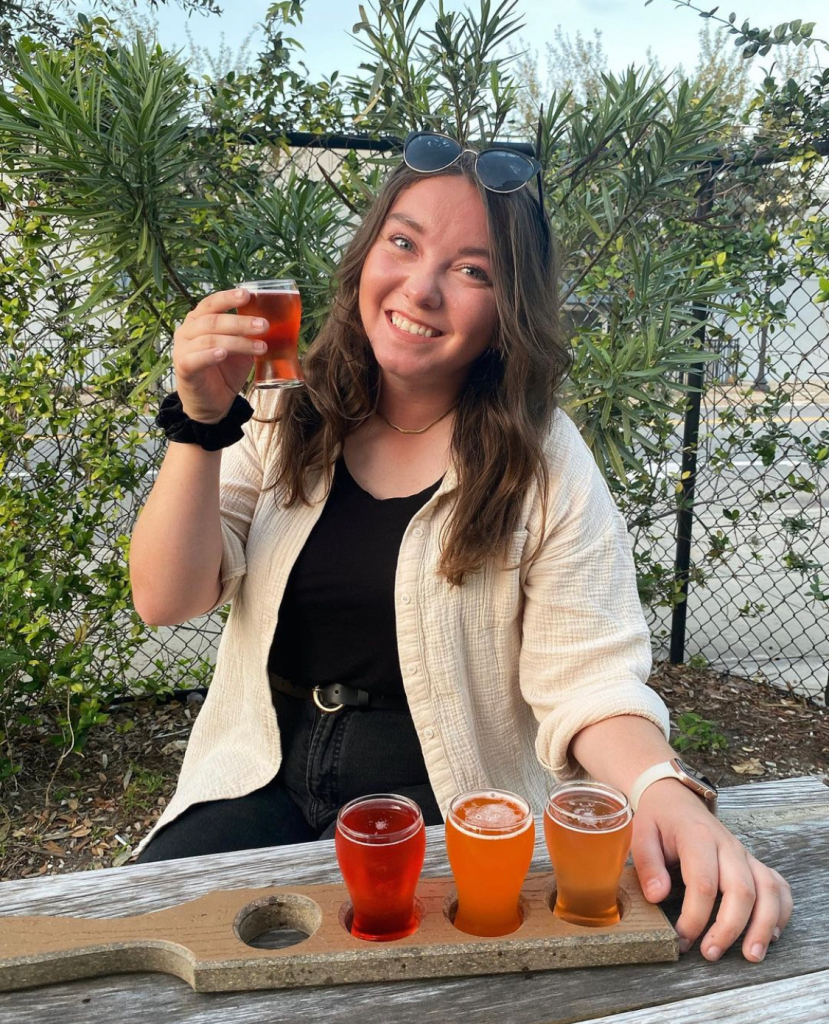
Before moving home to farm, I grew my love for craft beers at breweries in the cities I lived in. And in typical Gen Z fashion, I even ran a social media account dedicated to my hobby - Billie’s Brew Book as a blog and on Instagram.
However, since moving back to my farm, and my small town, I have not had the ability to do the brewery exploring I once did. I have now set my focus on sharing my story and experiences as a young woman in agriculture on another account: Learn more about Lentz Farms on Instagram.
The next time you crack open a cold one, whether it’s a craft beer with friends or your go-to large brand with family, I hope you think of the farmers who make your beer possible.
And then enjoy it, which of course is the reason to drink it in the first place. Cheers, Salud, Santé, Prost, or however you celebrate your happy hour, this International Beer Day and always.