The International Year of the Woman Farmer will not change my day to day work.
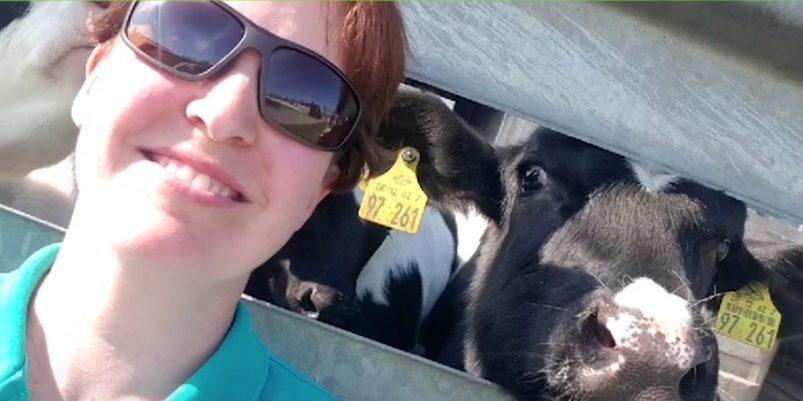
Throughout 2026, I’ll wake up each morning and go to work on our farm in rural eastern Germany where we manage livestock and grassland. That’s my routine.
My goal as a dairy farmer is simple and straightforward: I want to produce healthy and delicious food in a safe and sustainable way.
Yet I also appreciate the symbolic value of this special designation by the United Nations. The International Year of the Woman Farmer promises to increase visibility and recognition for women in agriculture, call attention to our unique challenges, and offer an opportunity for everyone who farms to improve what we do.
I hope we make the most of it.
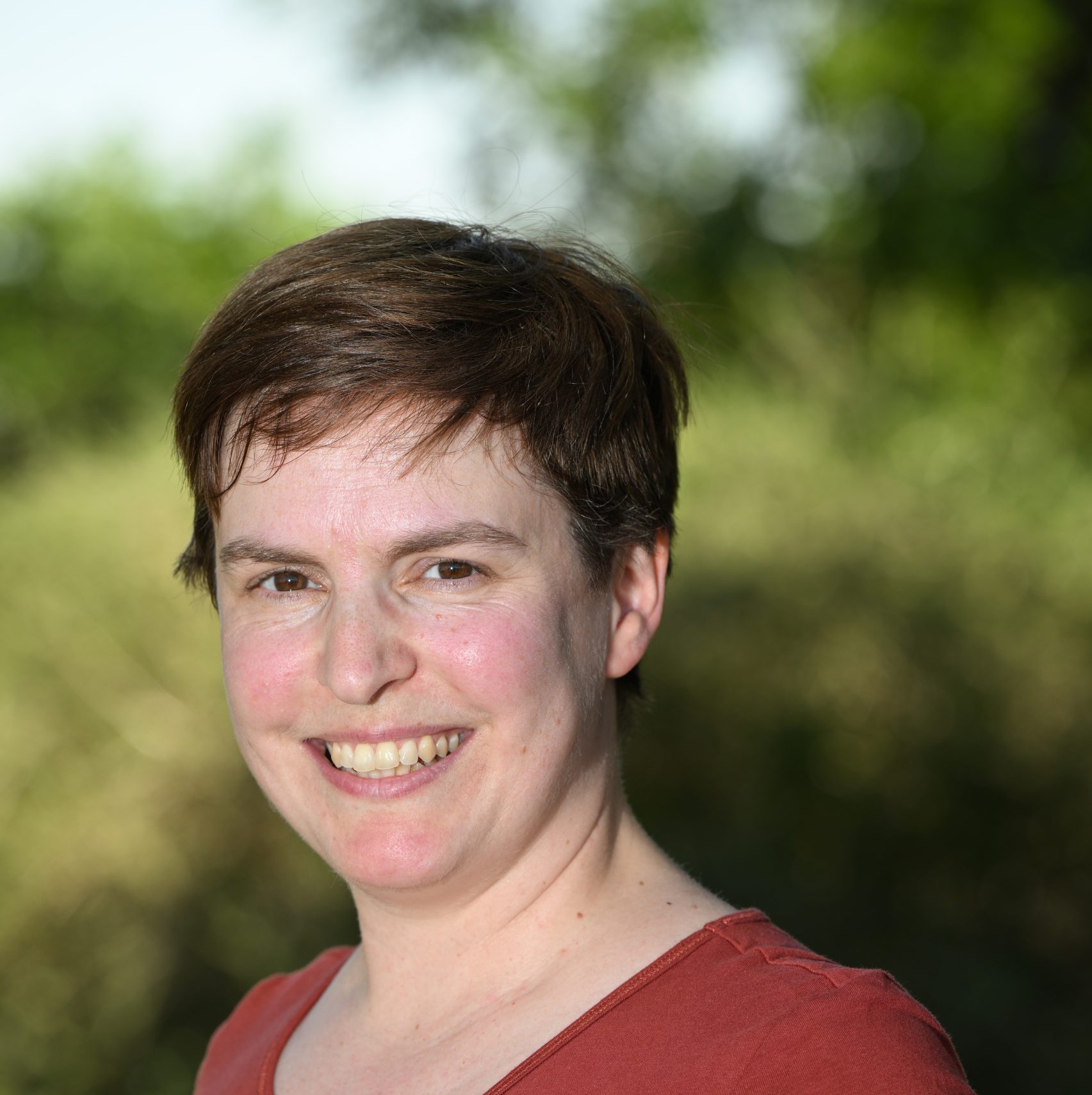
Many farmers inherit their profession, especially when fathers pass down their operations to their sons. For me, farming was a choice that I made when I was a 13-year-old girl. That may sound unconventional, but I found myself drawn to agricultural science, driven by a strong interest in nature, responsibility and food security.
As a woman, I did face particular challenges as I entered the field. Early on, I was often not taken seriously. I had to deal with questions of authority and encountered professional networks that were still dominated by men.
Overcoming these hurdles wasn’t always easy, but there was value gained. I’m even grateful for them because they allowed me to develop the strengths needed by every successful farmer, both male and female: persistence, resilience, and the ability to make myself heard.
These qualities have helped me flourish on our farm co-operative where I have leadership responsibilities. This year, we plan to grow corn, alfalfa, wheat, barley, triticale, rye, sunflowers, oil flax, and chickpeas. As we do this, we will start a system of pasture-based management for our suckler cow herd.
One of our top priorities is to adapt our crop and forage systems to cope with droughts and heat waves, which are becoming more common and more demanding. To deal with dry conditions, we’re going to improve our irrigation infrastructure. For the first time, we will work with rented traveling irrigation. Farming is all about adjustments, and so we’ll see how these modifications perform.
We face plenty of other tests and trials: volatile markets, animal disease, and a shortage of skilled workers. New regulations are also a problem. Starting this year, our crop-protection products require expanded documentation. This may satisfy bureaucrats, but it pulls farmers out of the fields and forces them behind desks. We prefer to produce food, not paperwork.
Political uncertainty is also a worry, especially as it surrounds the EU’s Common Agricultural Policy (CAP), which governs so much of what farmers do.
To confront this, I’ve taken the unusual step to some of reaching out to the Greens, a major political party in Germany. Relations between farmers and Greens traditionally are tense, but I’ve detected a new interest among some of the Greens for the fact that farmers can be a part of the solution to their concerns rather than a part of the problem. I think we can discover shared goals, especially on climate change and other environmental matters
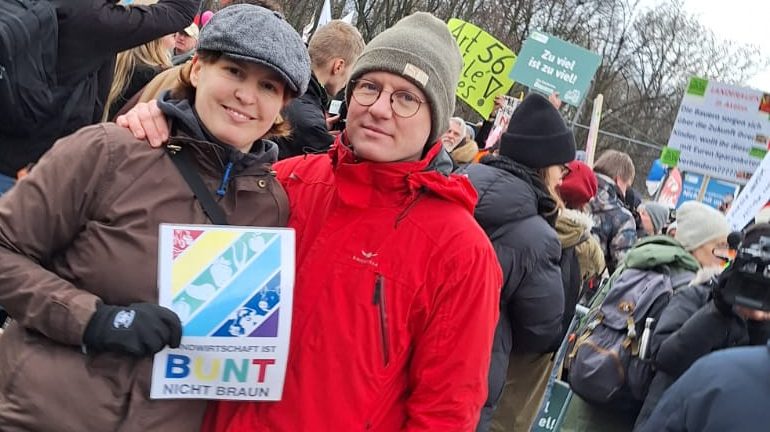
One thing I know for sure: dialogue is essential to move forward. We must build bridges rather than deepen divides. I recently delivered a presentation to the Greens on CAP, aiming to show through real-life examples the conflict between many political goals and on-the-ground realities.
I think my experience as a woman farmer gave me the confidence and skills to do this. As a farmer, I’ve gained technical expertise and organization ability. As a woman, I’ve learned how to communicate with skeptical audiences.
Women bring other qualities and characteristics to farming, too. A diversity of perspectives informs and improves our decisions, advances social responsibility, and encourages long-term thinking. And visible female farmers provide role models who attract and recruit the next generation.
Ultimately, this isn’t about men versus women, but about fair opportunities and equal visibility for everybody within agriculture as we strive to produce food for everyone.
As 2026 gets underway, let me wish you a happy International Year of the Woman Farmer.