South Africa has established itself as a continental leader in maize production, feeding not only its own population but serving as a vital food source across Africa. This remarkable achievement stems from a combination of advanced agricultural practices, technological adoption, and the dedication of farmers who have adapted to both opportunities and challenges over decades. Today, we speak with Motlatsi Musi, an experienced commercial farmer who shares insights from over 50 years in the farming industry.
Maize Cultivation Practices in South Africa
South African maize farmers have access to diverse cultivar options tailored to different farming needs and conditions. According to Musi:
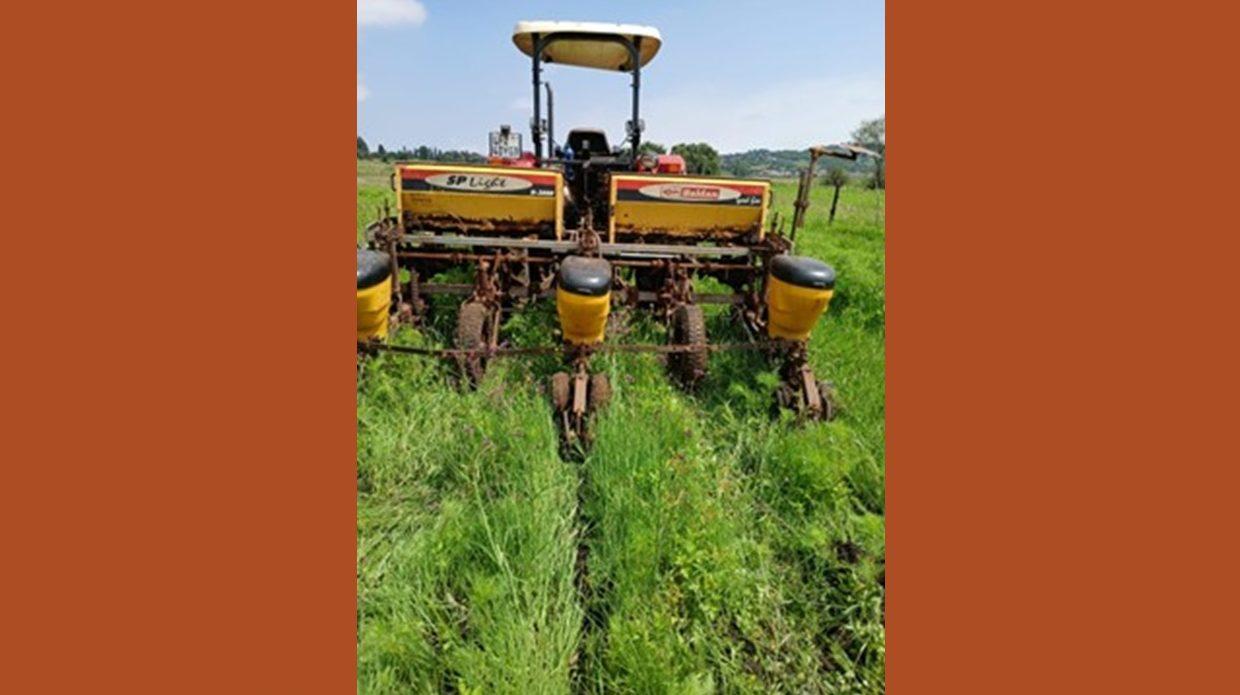
“We have multiple cultivars available from conventional varieties to pest-resistant GMOs and herbicide-tolerant options. Our standard planting window runs from October through December 15th-20th, which represents the optimal cutoff dates for conventional planting. However, we also have what we call ‘turbo’ cultivars that can be planted after the cutoff, even into January, providing flexibility for farmers who face delays or want to stagger their planting.”
This variety of options reflects South Africa’s sophisticated seed development sector and the agricultural industry’s responsiveness to farmer needs. The availability of extended planting windows through specialized cultivars helps farmers manage risk and optimize their production schedules.
Musi plays a crucial role in supporting the broader farming community through technical guidance and knowledge sharing. His work highlights the collaborative nature of South African agriculture, where experienced farmers help guide others through complex decisions and challenges.
Musi emphasizes.
This statement underscores a critical reality: while farming methods may vary based on tradition, resources, or preference, climate change affects all farmers equally and requires collective adaptation and mutual support.
Agricultural Evolution
Musi’s career spans a period of dramatic transformation in South African agriculture. Beginning commercial farming in 1968, he has witnessed the evolution from organic to conventional farming practices, and ultimately to the adoption of genetically modified crops.
“I’ve been into commercial farming since 1968. Over these decades, I’ve seen South Africa transition from organic farming to conventional methods, and now to GMO technology. Each shift brought new opportunities and challenges,”
Musi reflects.
This historical perspective is invaluable, as it demonstrates how South African agriculture has continuously adapted to incorporate new technologies and methodologies while building on traditional farming knowledge. The willingness to embrace innovation has been key to the sector’s sustained productivity and resilience.
The Fall Armyworm Challenge and Biotechnology Response
One of the most significant challenges Musi has faced in his long career came relatively recently, with the invasion of the fall armyworm (Spodoptera frugiperda), a devastating pest that has caused extensive crop damage across Africa.
Personal Experience with Bt Technology
“My first encounter with armyworm occurred during the 2015-16 planting season. Fortunately, by that time, we had access to BT gene technology crops engineered for pest resistance. The technology worked perfectly, with no damage at all to my maize. I’m based in Johannesburg South, Gauteng Province, and the BT maize proved to be a crucial protective measure,”
Musi explains.
BT (Bacillus thuringiensis) technology incorporates genes that allow plants to produce proteins toxic to specific insects but harmless to humans and other organisms. This technology has proven particularly effective against lepidopteran pests like the fall armyworm.
Regional Impact and Government Response
The armyworm’s impact extended beyond individual farms to affect entire provinces:
“The fall armyworm caused severe destruction to maize crops in Limpopo Province during the 2017-18 season. The damage was so significant that it prompted government intervention. Subsequently, the Department of Agriculture introduced affordable pest-resistant seeds specifically targeted at subsistence farmers. These seeds are now available in smaller packet sizes through agricultural cooperatives, making the technology accessible to farmers with limited resources,”
Musi notes.
This governmental response demonstrates a crucial aspect of agricultural development: ensuring that technological solutions reach all farmers, not just large commercial operations. By making pest-resistant seeds available in smaller, affordable quantities through cooperative networks, the Department of Agriculture helped protect food security at both the commercial and subsistence farming levels.
Conclusion
Motlatsi Musi’s experience encapsulates the story of modern South African agriculture: a sector that has successfully balanced traditional knowledge with technological innovation, maintained productivity despite emerging challenges like climate change and new pests, and fostered a collaborative approach to farming that benefits operations of all scales.
The success of South African maize production in feeding the continent rests on several pillars: access to diverse and advanced seed technologies, flexible planting strategies that accommodate varied conditions, knowledge-sharing networks among farmers, responsive government support, and most importantly, the dedication and adaptability of farmers like Musi who combine decades of experience with openness to innovation.
As climate change continues to present new challenges and as agricultural technology continues to evolve, the lessons from Musi’s experience become increasingly relevant: successful farming requires both individual expertise and community collaboration, both respect for traditional methods and willingness to adopt proven innovations, and both local knowledge and global awareness.
South Africa’s position as a maize supplier to the African continent is not merely a function of favorable conditions or resources it is the result of decades of agricultural development, farmer dedication, technological adoption, and supportive policies that together create a resilient and productive farming sector capable of meeting continental food security needs.
About the Global Farmer Network – Africa
The Global Farmer Network connects farmers from around the world to share knowledge, experiences, and insights on sustainable agriculture, technological innovation, and food security. Through conversations like this one with Motlatsi Musi, the network amplifies farmer voices and contributes to the global dialogue on agricultural development and food production.
Ruramiso Mashumba is serving the GFN as Regional Lead: Africa.