I have been practicing regenerative farming before I knew there was a name for it.
Now I’ve embraced not just the practice but also the term because farmers like me must determine and declare what “regenerative farming” is before others do it for us.
We should seize the initiative because the agendas of activists and regulators often are very different from the needs of farmers and consumers.
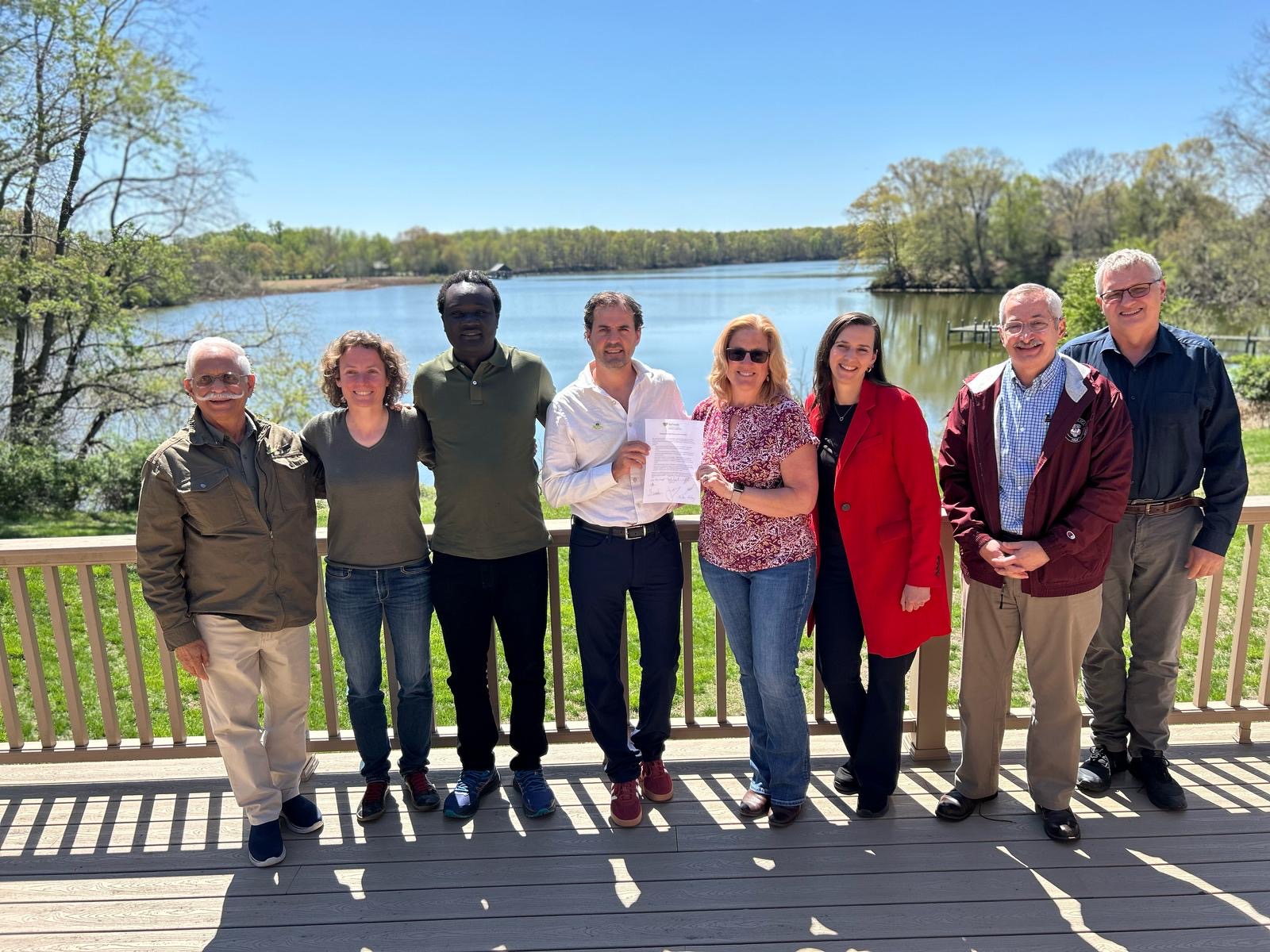
That’s why I recently joined other members of the Global Farmer Network to draft a declaration on behalf of regenerative agriculture. We make a clear commitment to soil health, water quality, and environmental sustainability as well as to the science, innovation, and technology that will make it possible for us to achieve our goals.
We’re looking for others to join us. You can read and sign the document here.
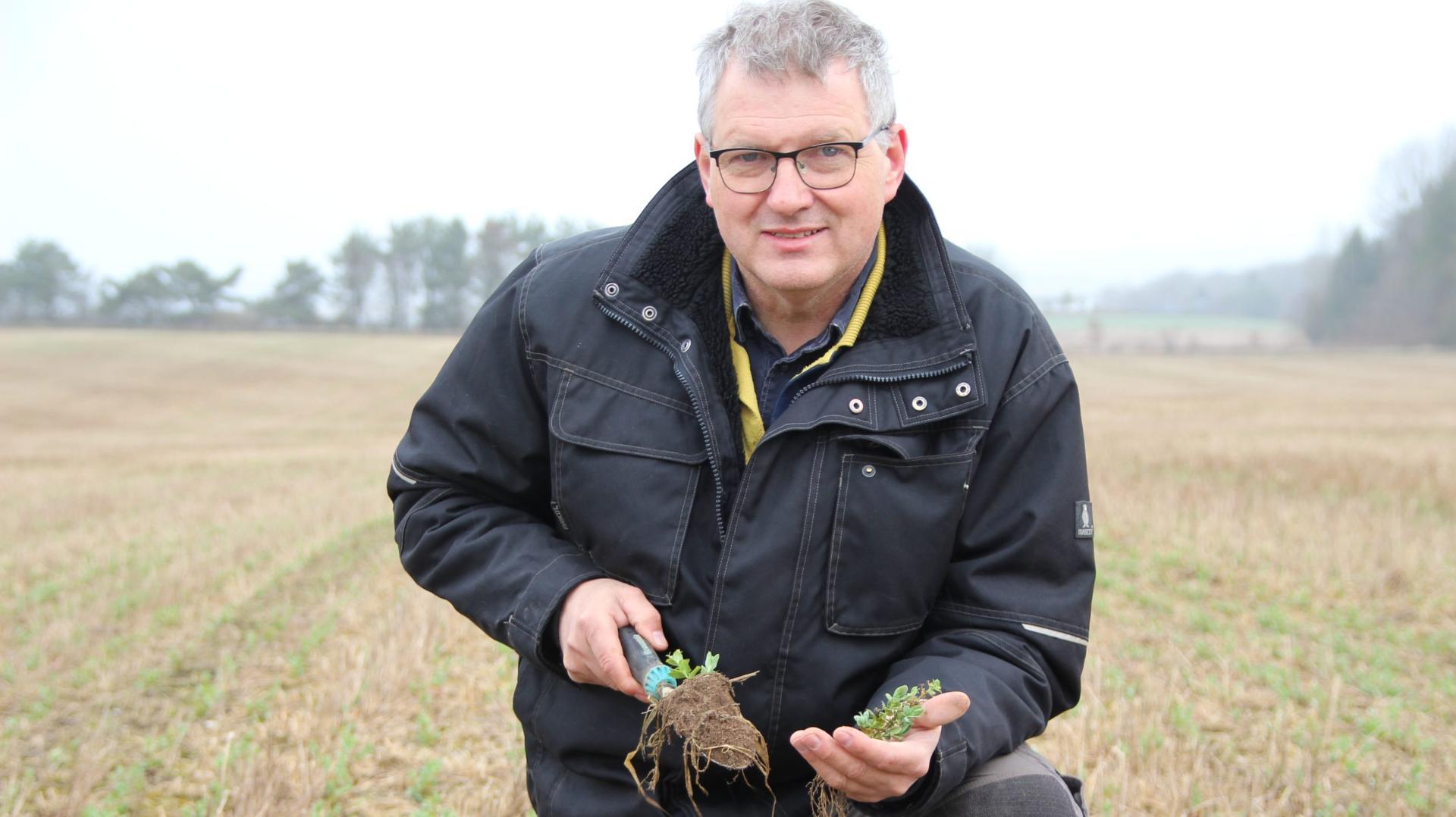
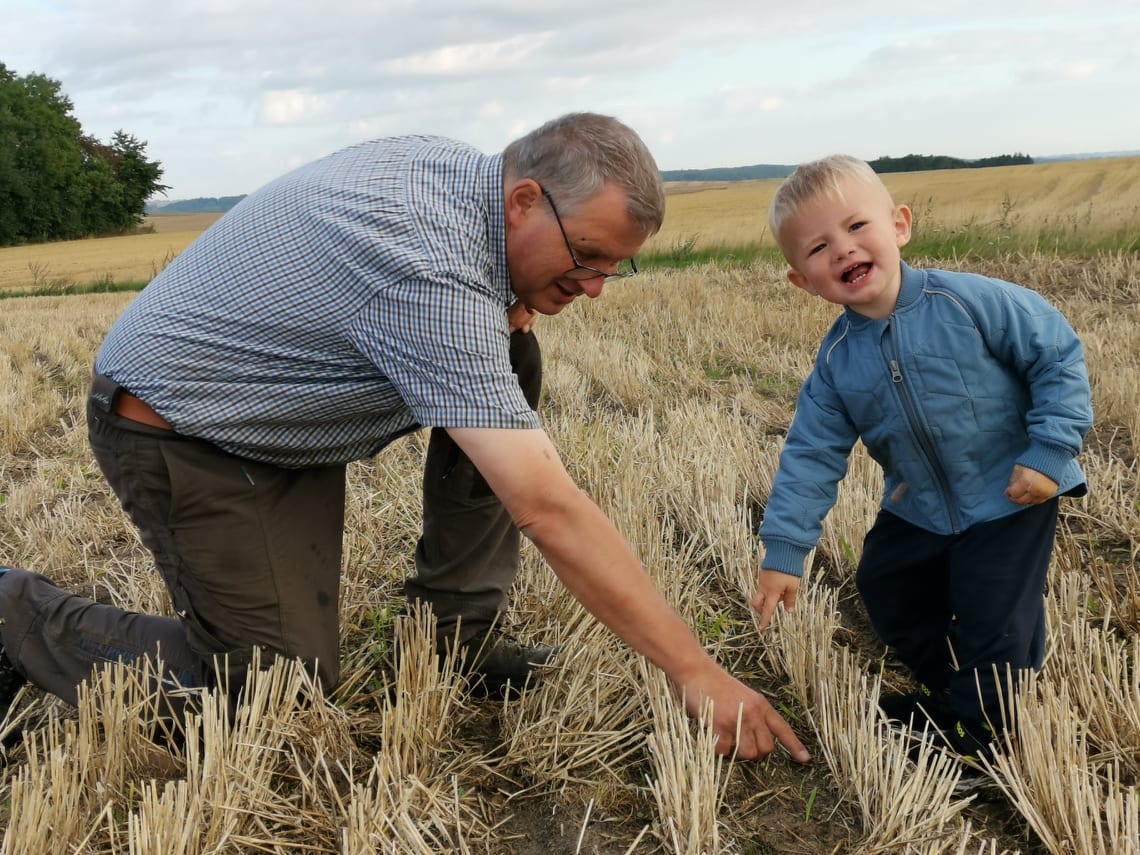
I gradually switched to regenerative agriculture seven years ago, after three decades of traditional crop farming. I made the change with great respect for my ancestors who have been farmers in Denmark for centuries. They did their best under the conditions given. But things change.
I received my inspiration and the ideas to implement from young farmers—interns from Brazil and France who worked on my farm to learn more about agriculture. They had their own backgrounds in farming, and they wondered why we turned over the soil so much.
It turns out that I learned more from them than they learned from me, in a classic case of knowledge transfer. I thought over their ideas, decided they made sense, and switched from plowing to no till.
That’s when I became a regenerative farmer.
At first, my understanding was limited. I learned very quickly that it was not enough to just buy and use a no-till seeder so that I could plant my crops without disrupting the soil. This was a good starting point, but regenerative farming is about much more than machines.
Ultimately, it means lifting your farm to a higher agronomic level by using biology, chemistry, physics, and technology to improve the soil. As grain and seed producers, we plant cover crops, leave crop residues, add compost, rotate crops and minimize soil compaction. In the long-term, I want to integrate grazing livestock into our quest to thrive now and in the future.
That may sound complicated, but facing a professional challenge is fun. It makes me a better and more satisfied farmer.
Regenerative farming helps us lower the costs of production. We don’t have to drive our tractors as much, which saves on fuel and upkeep. We also use less fertilizer than we once did. These factors contribute to my economic bottom line.
It’s also good for the environment and my soil’s health. Everyone cares about this, but nobody pays me for it. So far, there have been no buyers who have been willing to pay any additional price on my oats or wheat because of my practices.
Sometimes doing the right thing is just the right thing to do.
Maybe this will change soon, since the Danish brewery Carlsberg, whose amusing slogan is “probably the best beer in the world” recently offered a grower’s allowance for regenerative malting barley, which goes into a new beer called “Grobund.”
Just about every grain grower in Denmark has a connection to Carlsberg, though we supply the company through traders rather than directly. As the Grobund brand expands, I hope to obtain a contract for regenerative malting barley and thus, a premium price for the grain.
Grobund is also an excellent example of why farmers need to define “regenerative farming” – what it looks like and how it is practiced on their farm. There is no one-size fits all regenerative agriculture approach or practice.
I grow malting barley when it fits into my crop rotation and I like to think that some of it has helped produce my favorite variety of Carlsberg, called “Hof.”
When the chance comes, I will also grow regenerative malting barley.
When companies introduce this kind of initiative, activists outside of agriculture often criticize. These professional complainers examine something good and insist that it’s not good enough. They condemn it as “greenwashing,” which is to say it’s a marketing ploy rather than an environmental pledge.
Yet isn’t it admirable for a big company like Carlsberg to take a small step with a product rooted in soil health and conservation—and to reward farmers with better prices?
Before anyone else can jump on a pedestal and twist the meaning of “regenerative farming,” ordinary farmers must seize the initiative. We can describe what’s possible and what’s desirable as we develop partnerships and strike deals.
If we don’t, others will—and suddenly a promising approach will become a regulatory decree, an ideological agenda, and a burden for farmers.
So please consider joining us by putting your name on our petition.
Then raise a toast to the farmers who may help what is probably the best beer in the world become a little better.
Join the movement!

Sign the Declaration here!
Featured image photo credit: Lars Kelstrup, Landbrugsmedierne