Hay usually fills more containers than any other item that leaves the Port of Seattle. Yet this may not be true in 2025, for the first time in a long time. Hay and the farmers who grow it are on the verge of becoming casualties of President Trump’s trade wars.
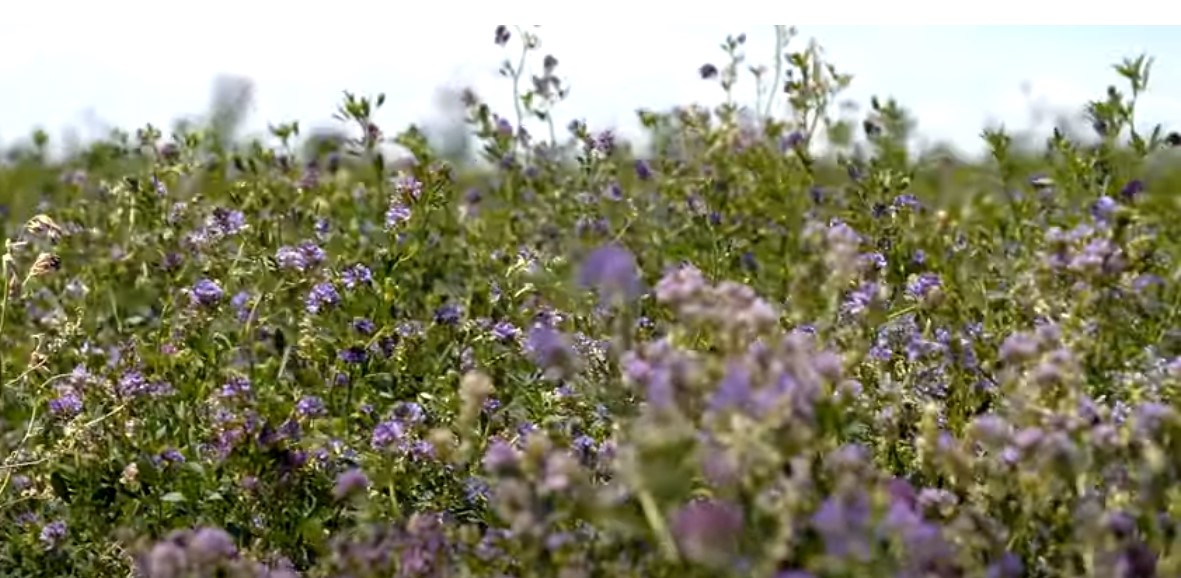
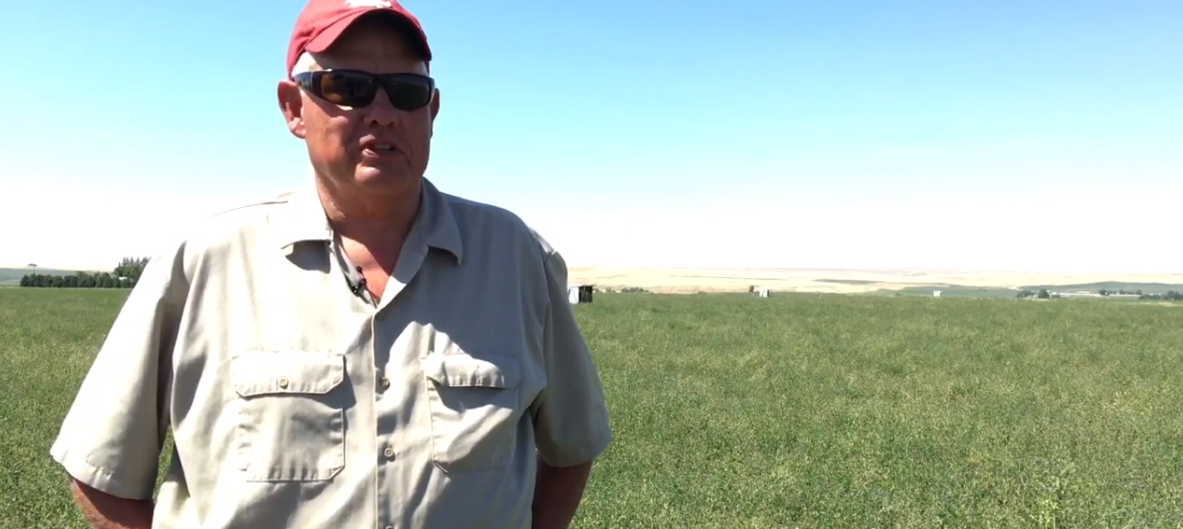
I grow alfalfa seed in eastern Washington state. My customers are the farmers who grow hay. Many of their buyers live in Asia and the Middle East. They purchase hay to feed their dairy herds and other livestock.
For years, we’ve enjoyed a profitable and working system of willing sellers and buyers. Now our governments are getting in the way with tariffs. As President Trump imposes his border taxes, other countries retaliate with their own.
“If you want less of something, tax it,” said Ronald Reagan. Today we’re getting a lot less trade in hay and in virtually everything.
Everyone suffers, but American farmers may be the biggest losers of all today. Here in the Pacific Northwest, we depend on food exports. And it’s not just hay: It’s also apples, cherries, potatoes, and more. The foreign markets for all these U.S.-grown commodities are vanishing.
I voted for Trump three times. I knew he’d be tough on trade. What I didn’t expect was a trade policy that would hurt farmers as much as this one has.
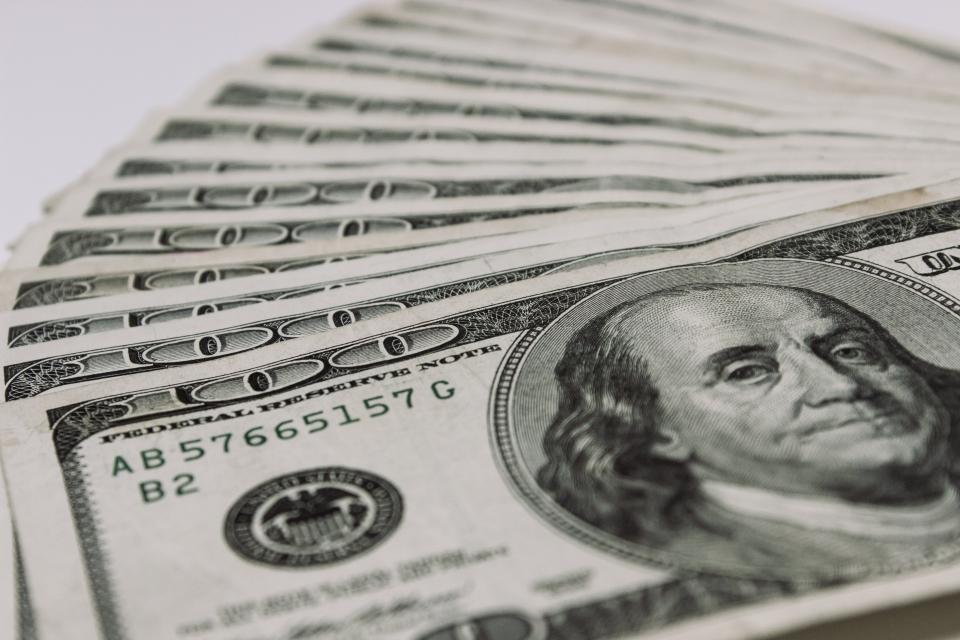
A banker recently told me that he expects a quarter of all farmers in Washington state not to receive financing for next year. This means they will lack the capital to plant seeds, fertilize them as they grow into crops, and protect them from weeds and pests. This means they won’t have the resources they need to operate. In short, it means they won’t farm.
When farmers can’t farm, they go out of business.
Markets change constantly, of course, as new ideas and innovations take hold. In this case, however, farmers aren’t facing competitors who have beaten us fair and square with better products. Consumer tastes haven’t shifted. Bad weather hasn’t hurt our production.
Instead, politics has gotten in the way of economics. It has disrupted the free flow of goods and services across borders. When President Trump announced his broad-based tariffs earlier this year, he called it “Liberation Day.” Ever since, however, farmers like me have felt shackled.
Hay is Seattle’s biggest export by volume, though not by value. That honor belongs to aircraft parts and integrated circuits. Those exports get a lot more attention from the media. And when journalists cover agricultural trade, they tend to focus on soybeans, which is America’s largest agricultural export, followed by corn.
For those of us in the hay industry, however, nothing is more important than what we grow. It is our most valuable product. It constitutes our livelihood.
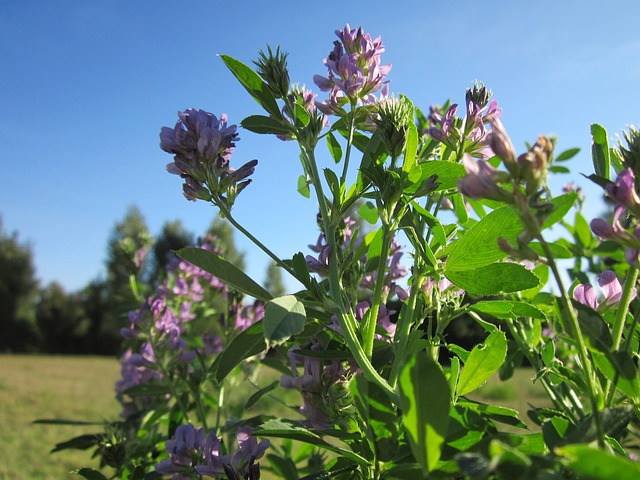
Hay may look simple in the field, but a lot of effort goes into its efficient production. Nobody grows better alfalfa than American farmers. Our hay has the highest levels of protein, making possible the best milk production.
The logistics of exporting hay also is sophisticated. I’ve visited the Port of Seattle to watch it happen. Producers bundle hay in shrink-wrapped bales that stack neatly and efficiently. The big ones weigh 1,000 lbs. and travel to large dairy operations in China. The dairy farms in Japan, Korea, and Taiwan are smaller, and their bales are cut down to sizes they can use. The massive ships that carry this commodity across the ocean are feats of engineering.
Because of this administration’s trade war, however, our traditional customers are now turning to growers in countries that have chosen to engage in economics rather than to play politics. They are starting to give their business to Australia, Spain, and elsewhere.
I’ve just returned from a meeting of the World Alfalfa Congress in France, where we discussed everything from water management to soil quality. We also talked about trade. A former customer of U.S.-grown alfalfa asked a sad question: “Why can’t we be friends?”
I wish we could, but tariffs have gotten in the way.
It’s time for a truce in the trade wars.