It takes a global effort to produce a kernel of corn.
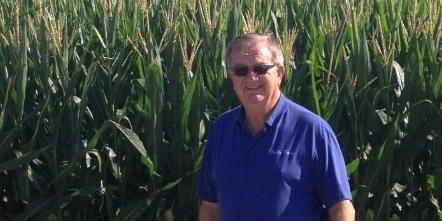
Maybe you thought it took only a farmer. I’ve spent my life growing corn here in Illinois. I have no idea how many kernels I’ve produced in total. It must be in the trillions.
But I can’t grow a single kernel alone. I need a world of help.
I was reminded of this recently when I came across an old video of Milton Friedman, the Nobel Prize-winning economist who explained the principles of the free market through books, columns, and documentaries.
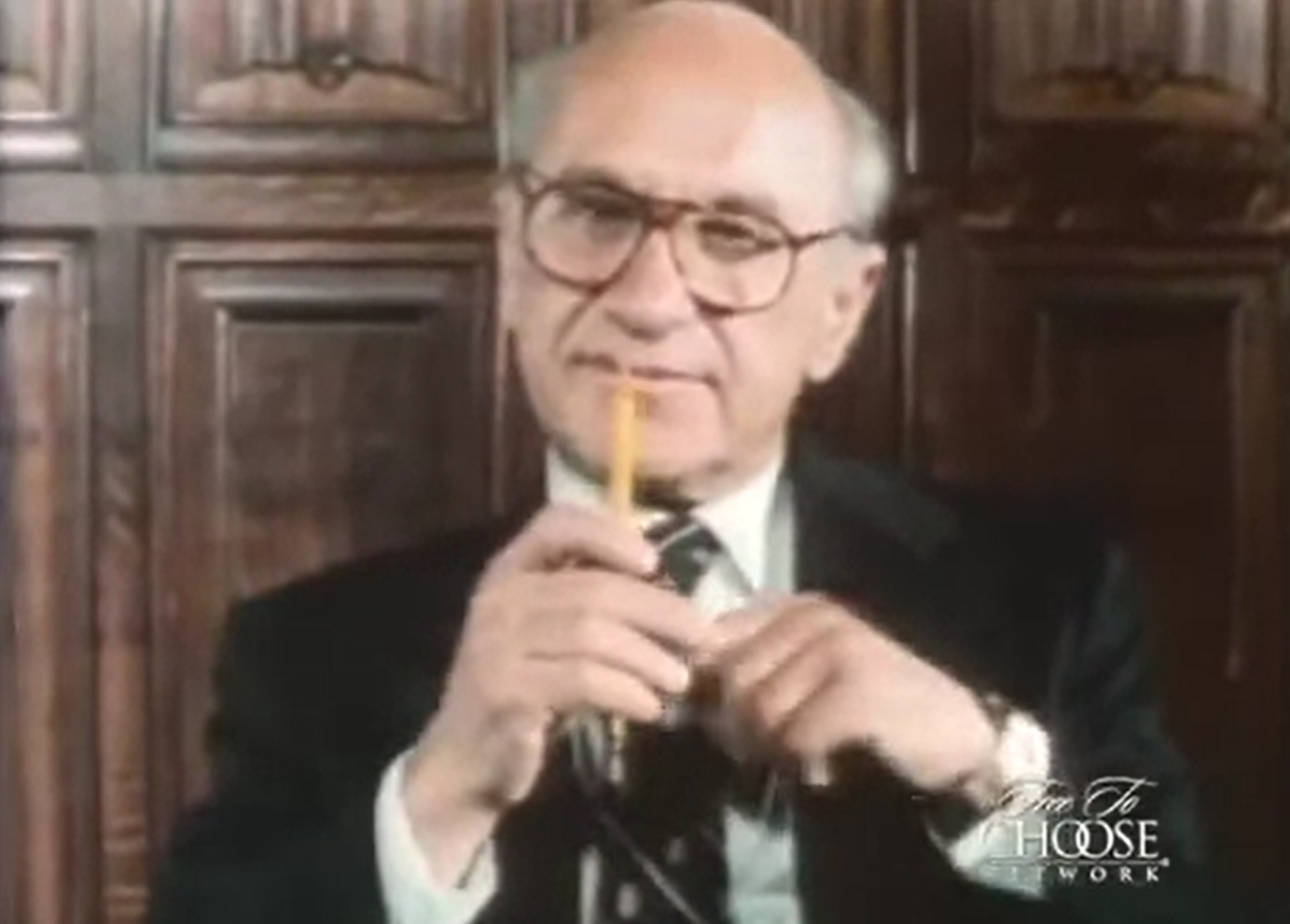
“Look at this lead pencil,” he said in the video, holding up a yellow one. “There’s not a single person in the world who could make this pencil.”
Then he described its parts: Wood from a tree in Washington state, graphite from South America, an eraser made of rubber from Malaysia, and more.
“Literally thousands of people cooperated to make this pencil—people who don’t speak the same language, who practice different religions, who might hate one another if they ever met,” said Friedman, who borrowed the idea from an essay by Leonard Read: “I, Pencil.”
Coming across the video on social media got me thinking about the corn on my farm and all the people I’ll never meet who help me grow my crops.
The corn seeds that I plant each spring come from across the United States, where farmers raise them for other farmers at home and abroad. The seeds include a special treatment that protects them from disease and helps them germinate, in a process designed by Americans but relying on active ingredients from Asia.
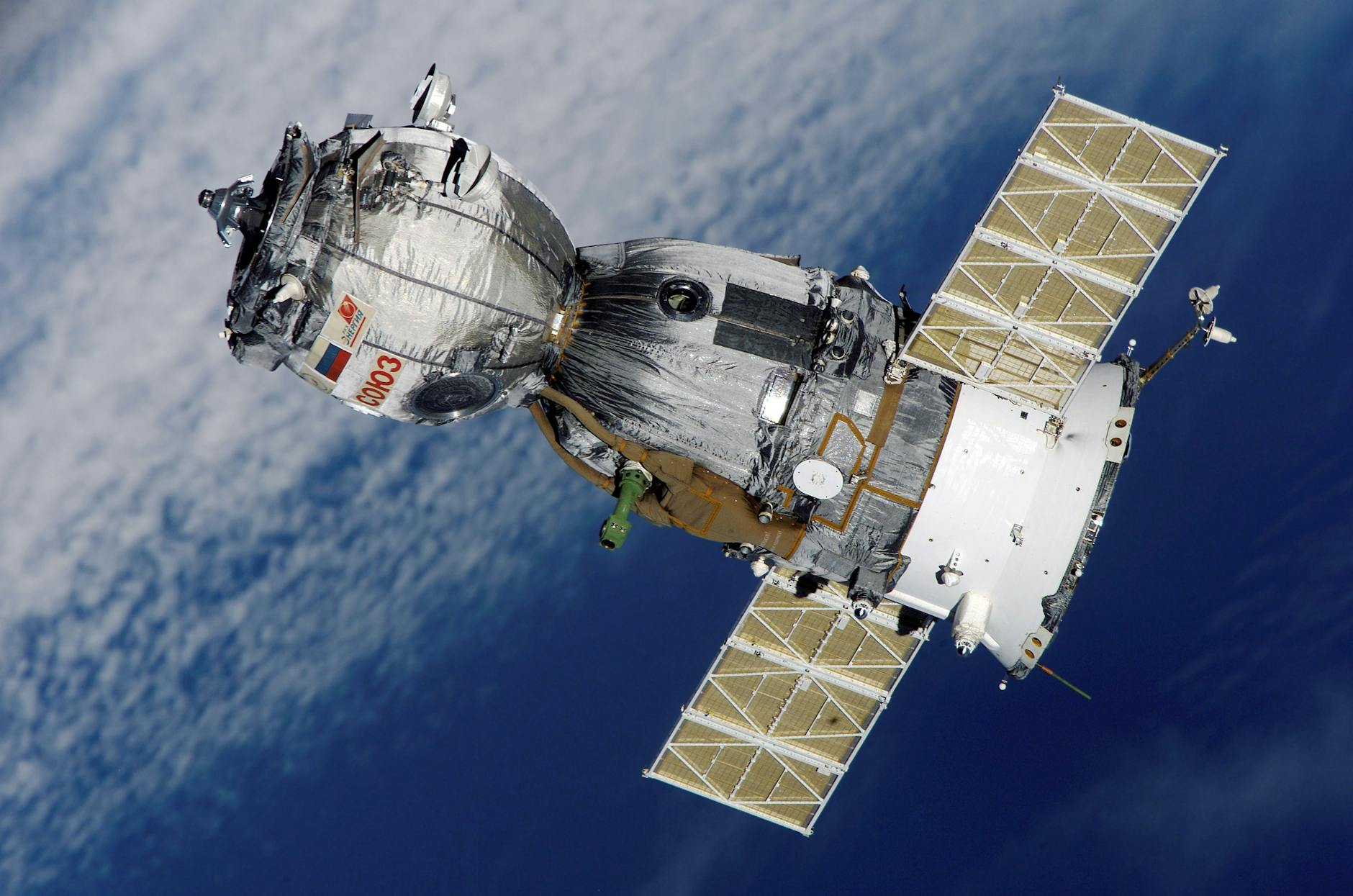
The best time to plant is when the soil temperature rises above 50 degrees. Picking the right day is important. Starting too soon can kill a crop. Even short delays can hurt yields in the fall. For accurate information, we turn to weather forecasts—and this makes at least one part of my farm otherworldly, because our forecasts rely upon information obtained by satellites that orbit the earth in space.
As our corn plants sprout and grow, we feed them with fertilizers whose major ingredients are nitrogen, phosphorus, and potassium. Most of the nitrogen is domestic, though some of it comes from Canada. The phosphorus also can come from the United States, especially Florida, though this supply is in decline and we increasingly have turned to Morocco, which has about 70 percent of the world’s reserves, though a recent discovery in Norway may represent an important new source.
The potassium in our fertilizer comes almost entirely from Canada, mainly Saskatchewan. That’s why I’m worried about President Trump’s threat last month to impose tariffs on Canadian fertilizer. A border tax would raise the price of production on my farm, which means that food costs for consumers eventually would go up. Consumers may not know exactly what has caused their food inflation, but in this case it will have been a policy choice rather than a drought or a disaster.
The simple fact is that it takes macronutrients from Canada and across the planet to make the fertilizer that fuels corn plants.
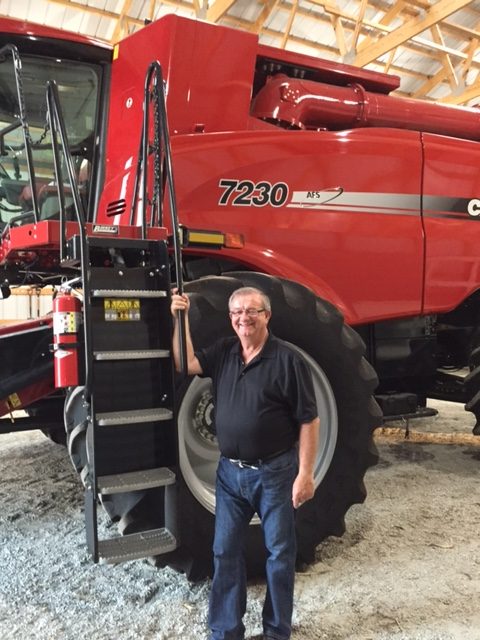
All our activities—planting, fertilizing, harvesting—depend on tractors and combines. Much of the manufacturing of large vehicles takes place in the United States, and my equipment tends to come from Nebraska and Wisconsin. Yet these machines require steel, which comes from iron ore, with major deposits in Minnesota as well as Australia and Brazil. The rubber for their tires mostly comes from Southeast Asia.
This means that even a “made-in-America” tractor requires an international effort.
Growing a single kernel of corn is at least as complicated as making the pencil that Friedman held up in his video.
Whether it’s a kernel of corn, a lead pencil, or any number of other supposedly simple items in our advanced economy, basic production requires the spontaneous order of a free market full of individual buyers and sellers who make countless decisions and transactions.
No central planner could dictate it. Not even a mastermind of artificial intelligence could manage it, even as AI becomes an increasingly important tool for farmers and people everywhere. What it takes is economic freedom: the ability of people around the world to exchange goods and services for mutual benefit.