“Slash-and-burn” in slang suggests ruthless destruction. We think of CEOs who significantly downsize departments, political candidates who blast their foes, and homeowners who clean out their trash-packed garages.
In these cases, slash-and-burn is a metaphor. In agriculture, it’s real.
Burning fields is a traditional way to clear land for farming. It performs its immediate job well. It eliminates vegetation, and the leftover ash even fertilizes the soil in the short term. It’s popular among smallholders in rural Africa and Asia as well as in remote areas of my native South America.
In the long term, however, slash-and-burn destroys organic matter, releases carbon, and exposes soil to erosion. It’s a quick fix that causes enormous long-term damage.
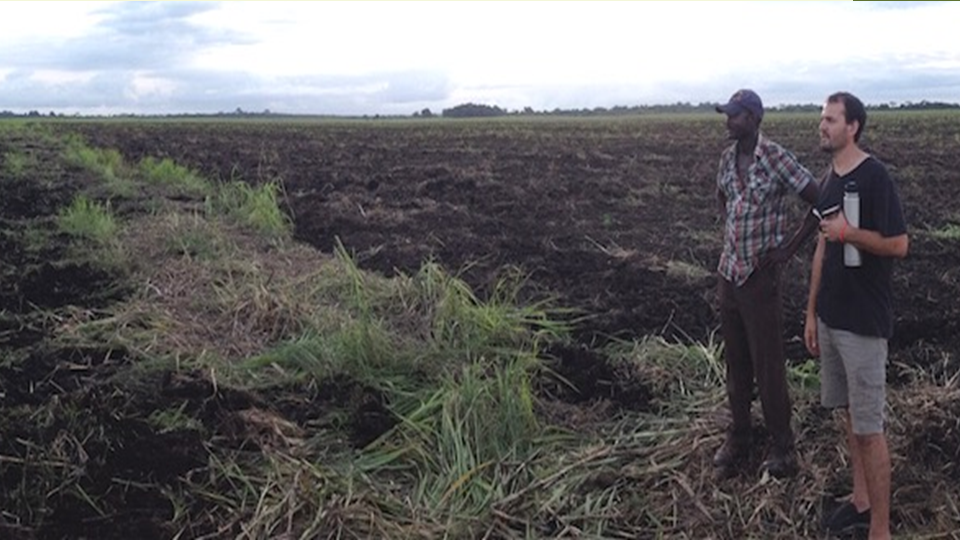
I became a regenerative farmer in Argentina because I wanted to be a sustainable farmer. It was a conscious decision. I realized that conventional systems of agriculture weren’t working—everything from burning fields to conventional tillage to outdated practices were degrading soils and resources. We had to do something different and recover productivity, resilience, and profitability.
Inspired by science and motivated by practical results, I started with small trials of cover crops, no-till, more diverse rotations, and livestock integration. These methods worked so well that they are now at the foundation of how I produce food.
I’ve adopted regenerative techniques on farms in the provinces of La Pampa and Buenos Aires, where I help raise livestock and grow soybeans, sunflower, barley, sorghum, corn, wheat, and forages.
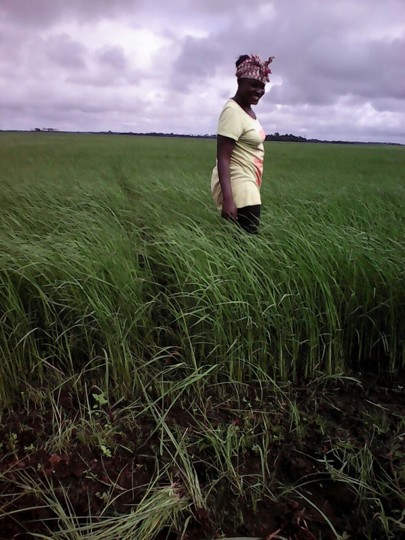
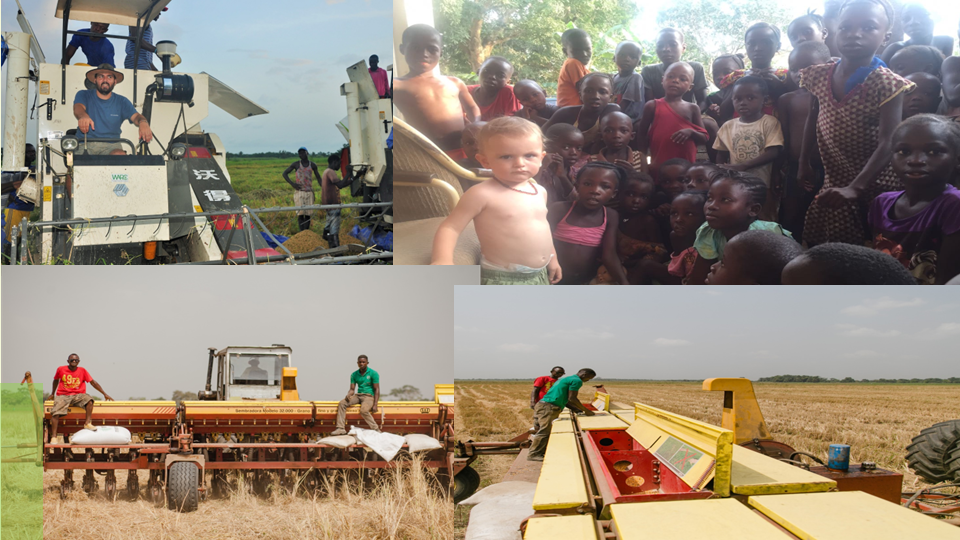
I’ve also introduced regenerative farming to Africa, where I work with farmers as a consultant in Liberia, Malawi, and Sierre Leone. They were veteran burners. Slash-and-burn was fundamental to their farming. I’m passionate about showing them an alternative.
What struck me most was their eagerness to learn. At first, they were skeptical but curious: Would regenerative practices work in the soils and climates? It was one thing for me to talk about its success in South America, and another for them to witness it work in Africa.
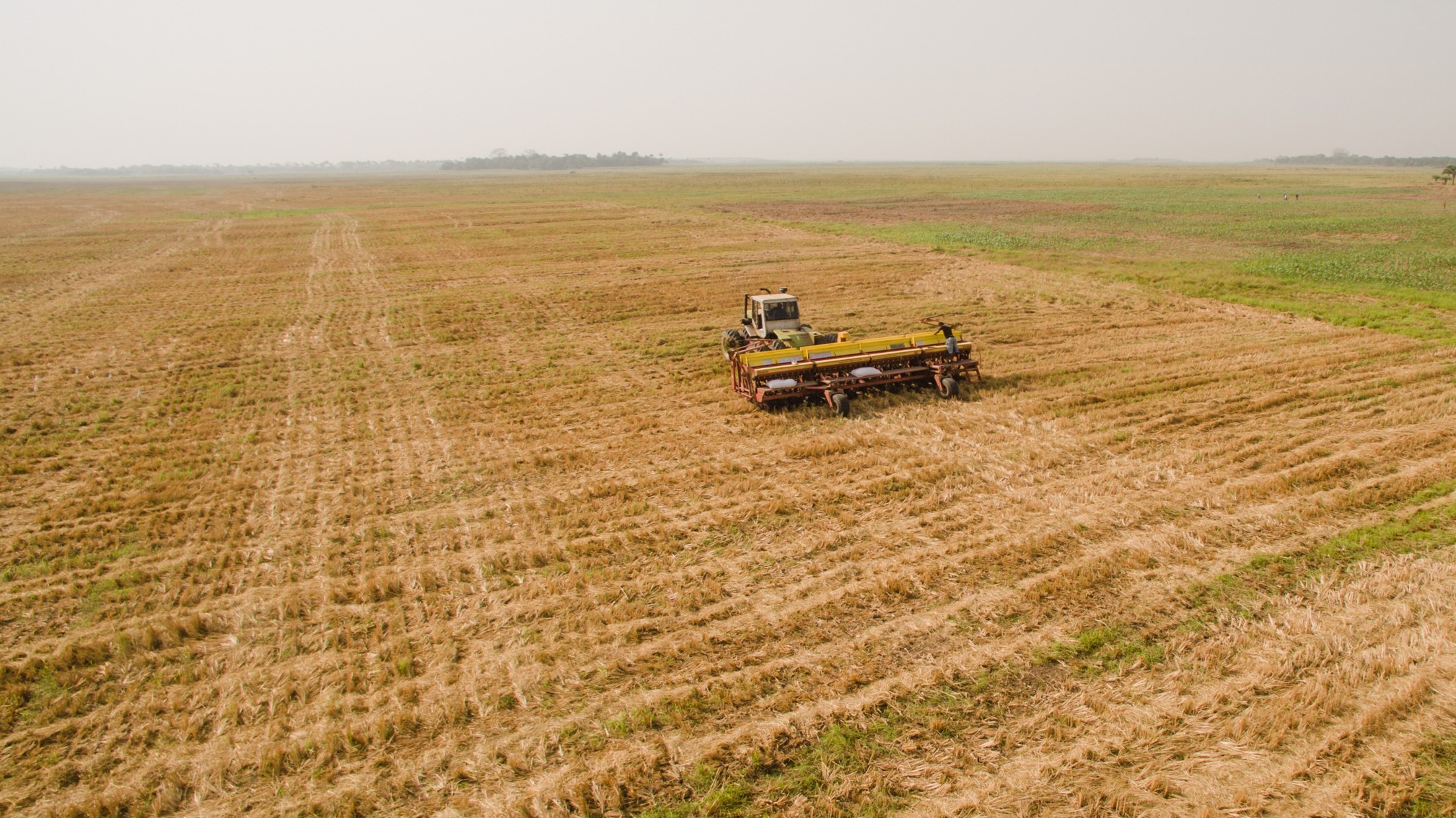
The turning point came when they saw a seeder that allowed them to sow more efficiently without burning. Their yields improved immediately. When they saw the concrete results, they were quick to adopt new practices. A simple machine showed an entire community that regenerative agriculture is both practical and transformative.
Regenerative agriculture holds a special appeal to young people. Many of them resist farming because they view traditional agriculture as antiquated and obsolete. They seek purpose and innovation. For them, regenerative agriculture is a revelation. It connects production with food security, new technologies, and climate action. It reveals that farming is not just about hard work but also science, knowledge, and entrepreneurship.
When young people believe that agriculture can deliver a meaningful career, they bring energy, new ideas, and continuity.
That’s why I signed the Global Farmer Network’s declaration on regenerative agriculture.
Too often, agricultural policies and narratives fail to account for those of us who work the land. Farmers must speak up and demonstrate our credibility and commitment so that governments, investors, and consumers see that we are partners in solutions rather than problems to be solved.
We must seize the initiative and show that regenerative agriculture is a real, scalable, farmer-led pathway. We’ve seen other terms twisted and misused by non-farmers, to the detriment of what we do. We must join the conversations that will shape our future.
My experience in Africa convinced me of this. I had gone there to teach agricultural methods and that’s what I did. Yet I learned something important: Knowledge travels. When one farmer embraces a new idea, an entire community can change.
This can work in the wider world, too.
I invite you to read the GFN’s statement on regenerative agriculture. If the document speaks to you, it may speak to others. Adding your voice will help them hear. Please consider signing it.
That’s how we’ll spread our ideas—and in a slash-and-burn world, we can begin to build something better.