It is a special moment you will never forget when you travel half-way around the world, stand on top of a blue tractor in neon green overalls and play a red guitar—all for a rock ‘n’ roll music video about sustainable farming.
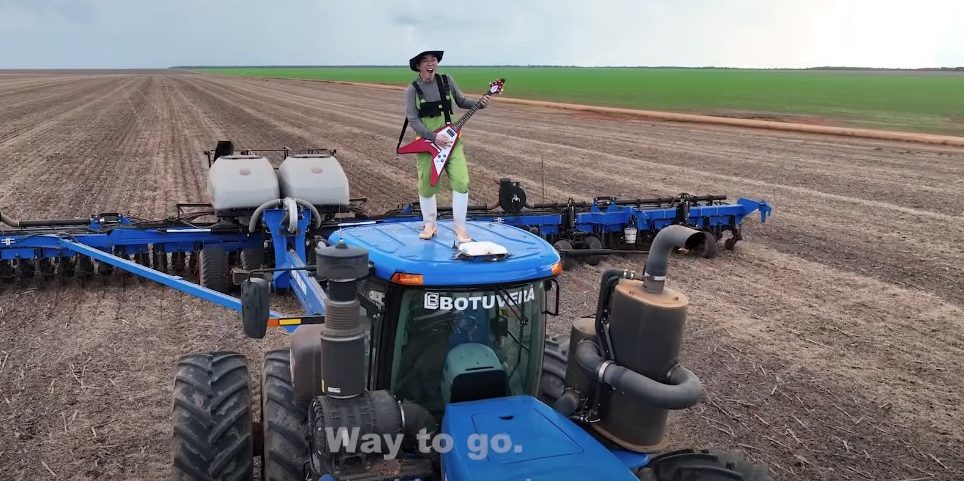
Some might call it audacity. Others foolhardiness. I’ll even confess to a little showmanship.
I would like to suggest, in modesty, that it also calls for courage.
And that’s why I’m so grateful to receive this year’s Kleckner Award for Global Farm Leadership, presented by the Global Farmer Network.
It gives me the courage to risk everything in support of sustainable farming.
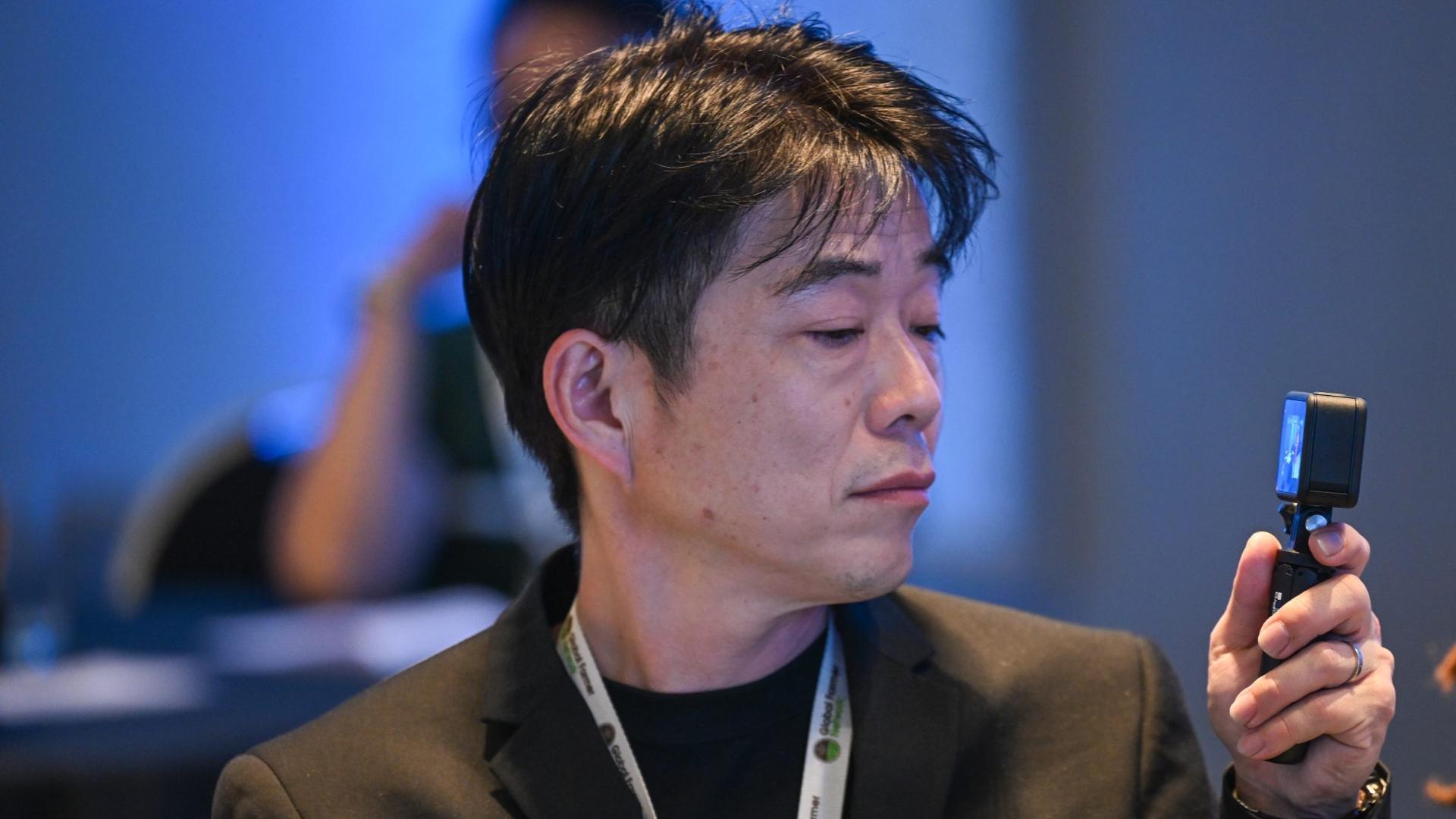
I’m a Japanese farmer with big ambitions for myself as a farmer, for my fellow farmers in Japan, and for farmers around the world.
A lot of farmers are born into the business, but not me. I came to it later in life by choice, after periods as a firefighter, a singer, and a board member of an information technology company. Around the time I was prepared to make a career move, I became a father. This made me think about the food we put in our bodies and the ways we produce it, and it led me to farming.
Today, I grow paddy rice, feed corn, azuki beans, buckwheat, and other crops near the city of Tottori.
As someone new to farming, I saw agriculture differently from many of those who grew up in it. I wasn’t bound to the conventional and familiar way of doing things.
One of my goals is to bring more technological innovation to farming. I’m doing that right now with advanced mechanization and digital tools such as Xarvio, which helps me manage my fields with amazing efficiency.
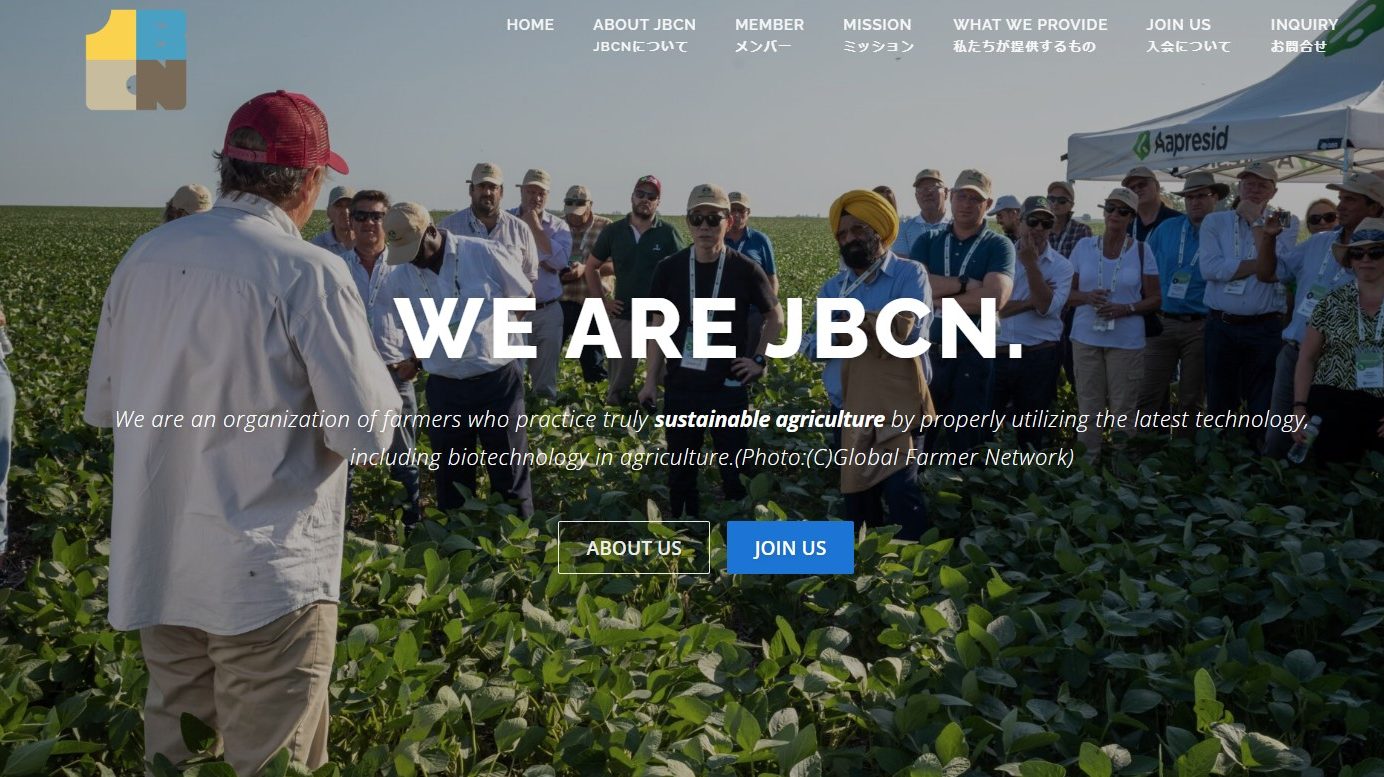
I’m always looking to do more—and that includes applying the power of biotechnology to farming, which many in Japan have questioned even as it has led to huge advances in the United States, Canada, and South America. I founded the Japanese Biotech Crop Network to introduce GMOs, gene editing, and more to Japanese farmers and the government as safe and sustainable choices.
Technology gives farming a bright future, but many young people resist it. This is a global trend and it is especially noticeable in Japan, where the average age of farmers is 67—the oldest in the world.
We can view this as a problem, but I see it as an opportunity. As Japanese farmers continue to age, farmland will become increasingly available. I plan to acquire as much as I can, growing from about 110 hectares now to 1000 hectares in 2030.
My farm is already one of the most productive agricultural corporations in Japan, and it’s going to get bigger and better.
I’m using technology and innovation to keep farming alive and prosperous—and I won’t be bound by the conventional ideas that have kept so many farms small and set in their ways.
Instead, I’ll adopt the best ideas from around the world.
Through my membership in the Global Farmer Network, I learned about no-till farming, which means disrupting the soil as little as possible as we plant, protect, and harvest crops. Instead, we guard the soil with cover crops and utilize machinery that do not disrupt the soil as we plant the crops. The result is that our fields are full of moisture and microbes, allowing us to grow more and better food.
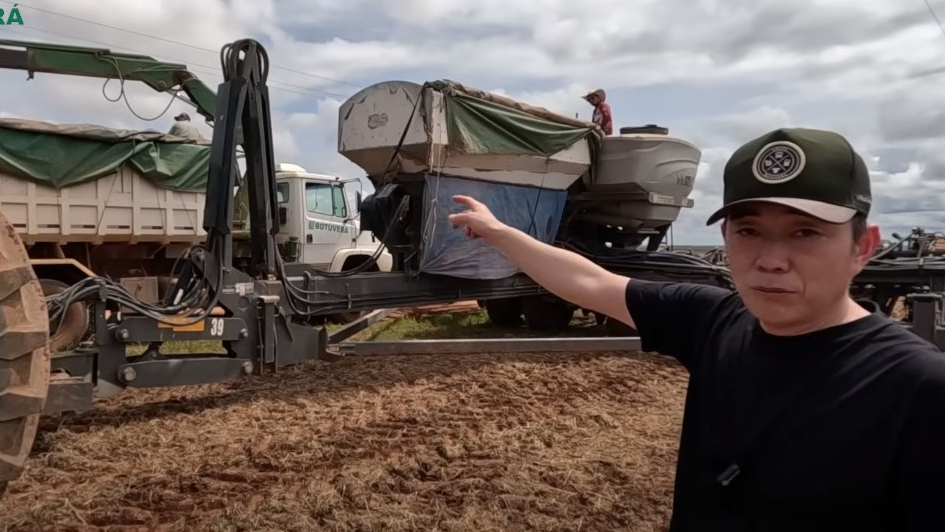
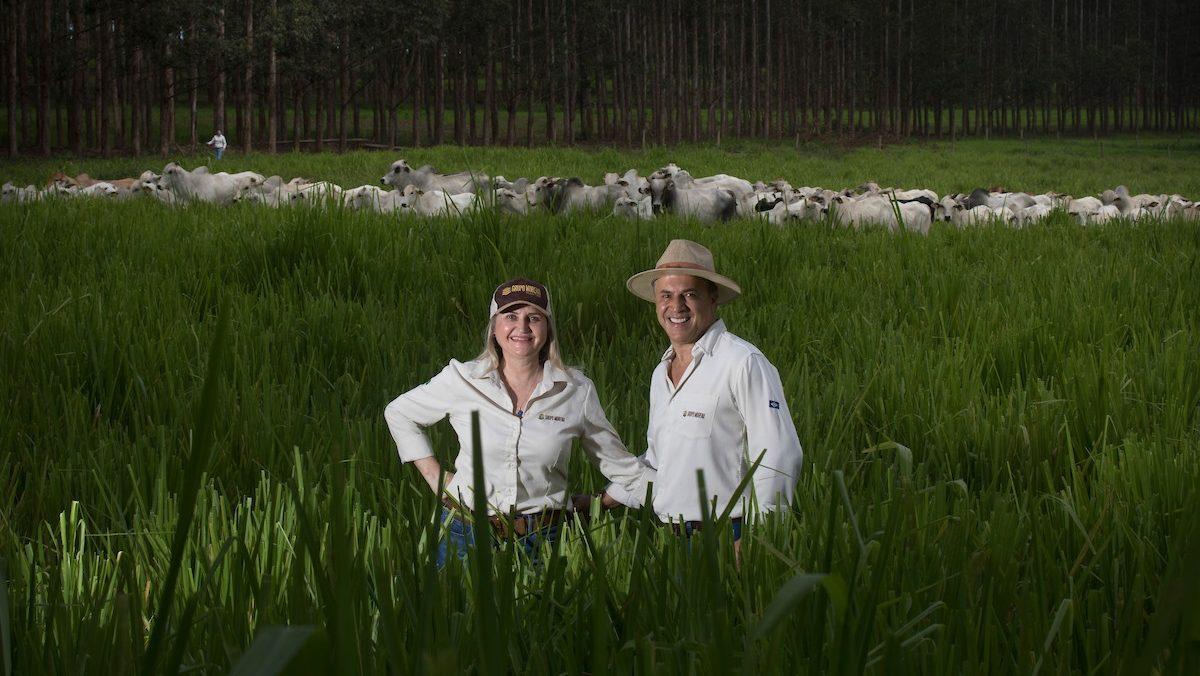
No-till farming is ordinary in many places, including Brazil, where I examined it firsthand on the farm of Vicente Bissoni Neto, who is also a part of the Global Farmer Network. His farm is totally unlike mine in size and climate, but I came to believe that no-till can work in Japan, where it is virtually unknown.
I’m trying it now by direct-seeding rice. We’ll see what happens, but we expect a good outcome when we harvest. Then we’ll share the news, letting the knowledge transfer that took place between me and Vicente continue to spread.
That’s also the goal of my music video. Farmers can share what we know in countless ways, from conversations with neighbors to forums at trade shows. I wanted to do my part in a powerful medium of communication that I don’t think farmers have ever used before.
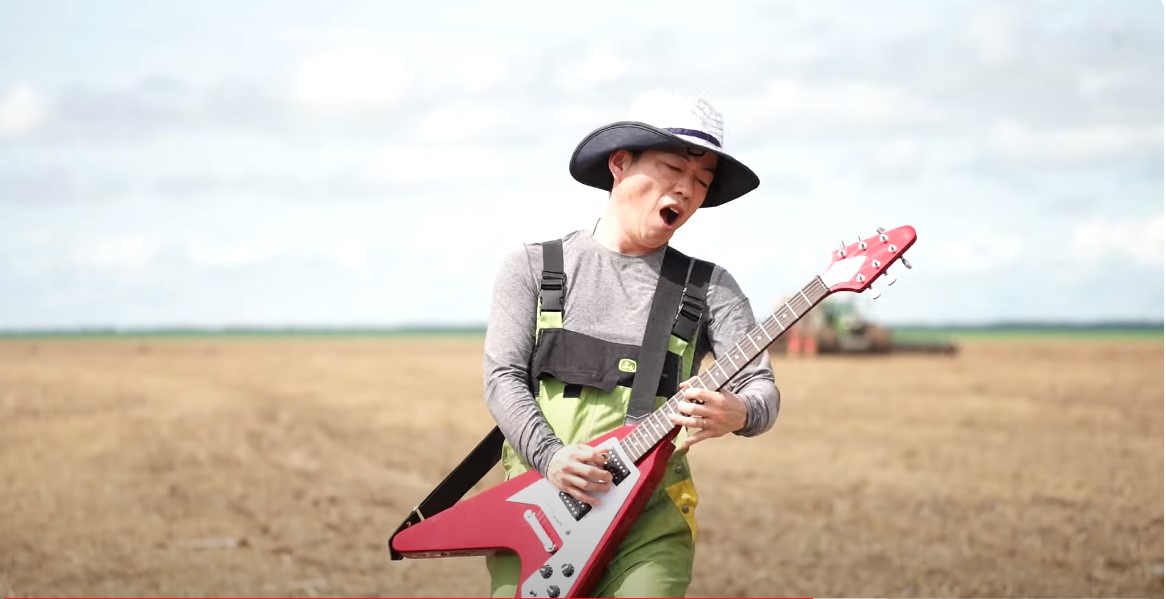
It takes courage: the decision to start farming in the first place, the desire to try new technologies and approaches, and the willingness to teach others.
When I accept the GFN Kleckner Global Farm Leader Award in Des Moines on October 29 in conjunction with the World Food Prize, I’ll gain a little more of the courage that I’ll need to push forward as a farmer, innovator, and communicator—with a goal to create a world where society places more importance on agriculture by incorporating entertainment elements like my music videos into farming.