In Colombia, our flowers grow with such abundance that we can share them with the rest of the world: flowers that brighten the lives of people in North America, Asia, and Europe. It is a privilege to earn a living providing bouquets and flowers that beautify the planet.
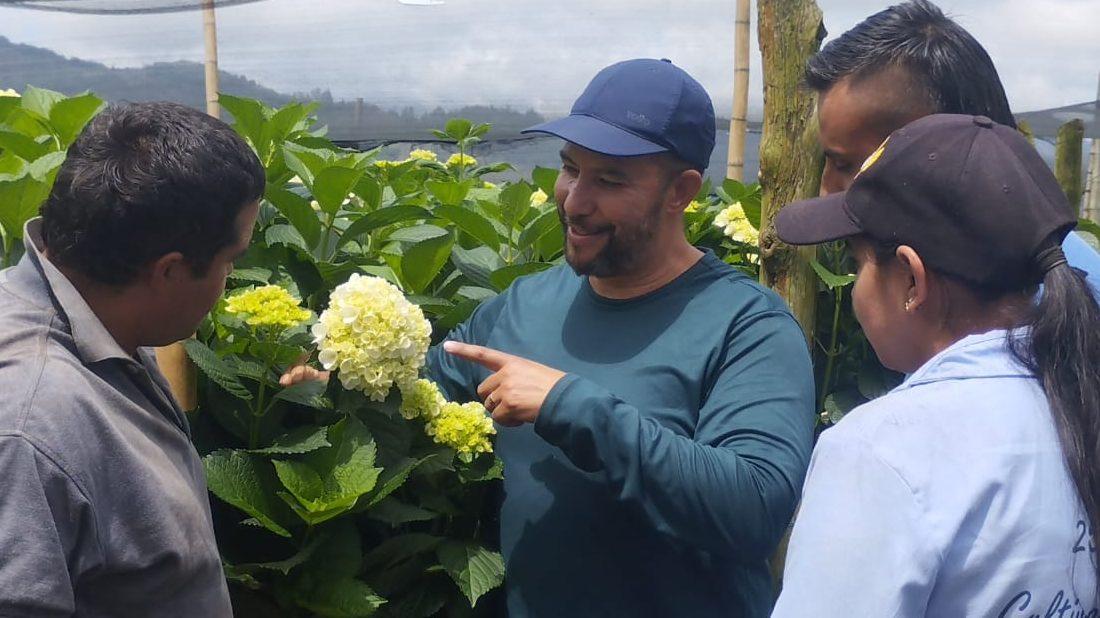
This success would not be possible without two great allies: trade and technology. I am an agronomist, and I advise farmers on cultivating flowers for the international market, especially hydrangeas, but also chrysanthemums and other species. These flowers thrive in our tropical, warm and often rainy climate. Colombia is the second-largest exporter of cut flowers in the world, after the Netherlands, and we grow over 1,600 varieties of flowers from 520 plant species, exporting to more than 100 countries.
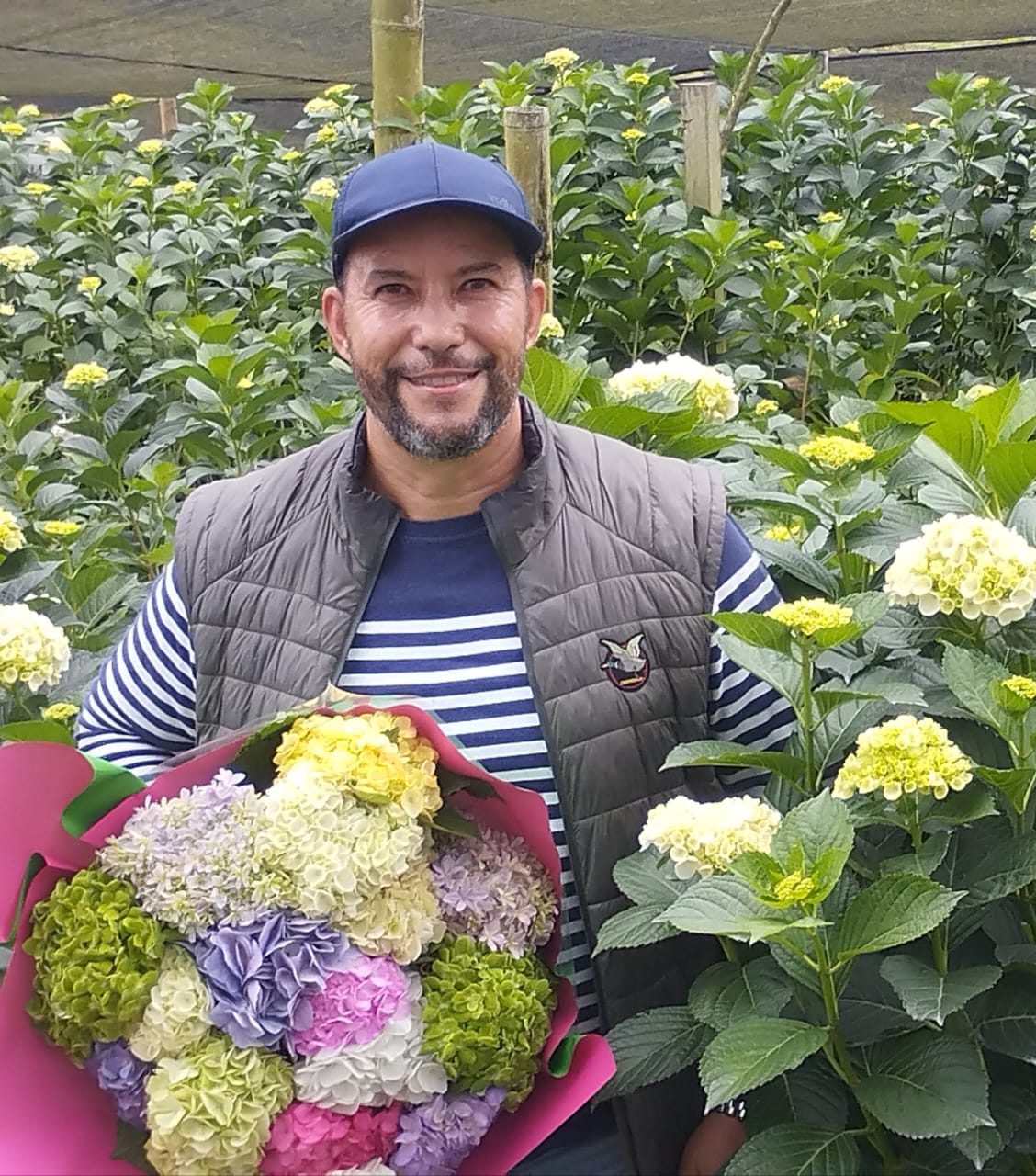
My interest in agriculture began in my childhood, watching my mother and grandmother work in their gardens and create elaborate floral arrangements. Although my father used to take me fishing on weekends, I always preferred to leave the water to cultivate the land.
I started with bananas, an important crop to my country, then, I turned to flowers 25 years ago when hydrangeas became a key export to the United States.
Hydrangeas adapt perfectly to Colombia. They do not require large investments in infrastructure and grow well on steep terrain, which is not useful for other crops. This allows farmers to transform unproductive areas into sources of sustainability for their farms. From an agricultural standpoint, hydrangeas are unique, as they enable us to generate value from what was once unused land.
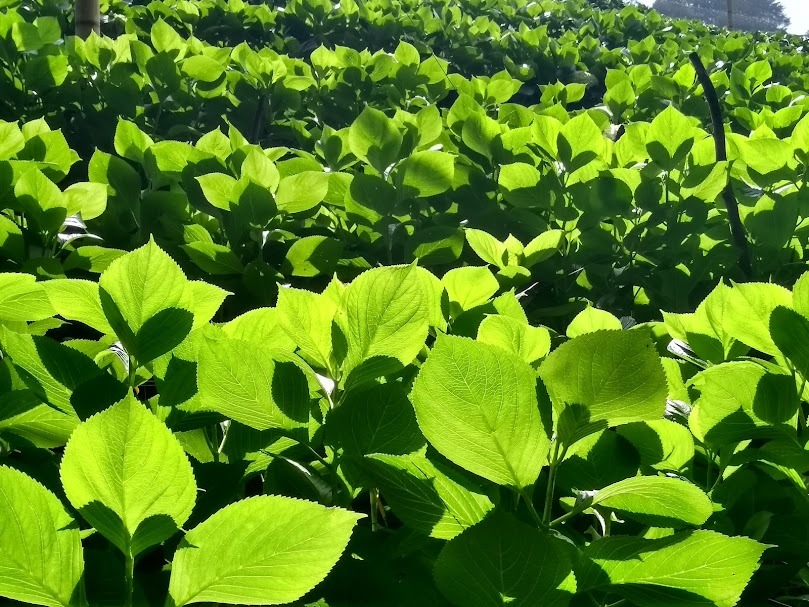
Initially, hydrangea farms in our region were no larger than one hectare (2.5 acres). Over time, as demand grew, new investments and technologies allowed the farms to flourish. Tools such as shade nets have been essential as they regulate sunlight exposure, preventing the flowers and foliage from sunburning. These nets, along with other technologies such as digital applications that monitor pests and climatic conditions, have allowed us to increase the quality and variety of our hydrangeas.
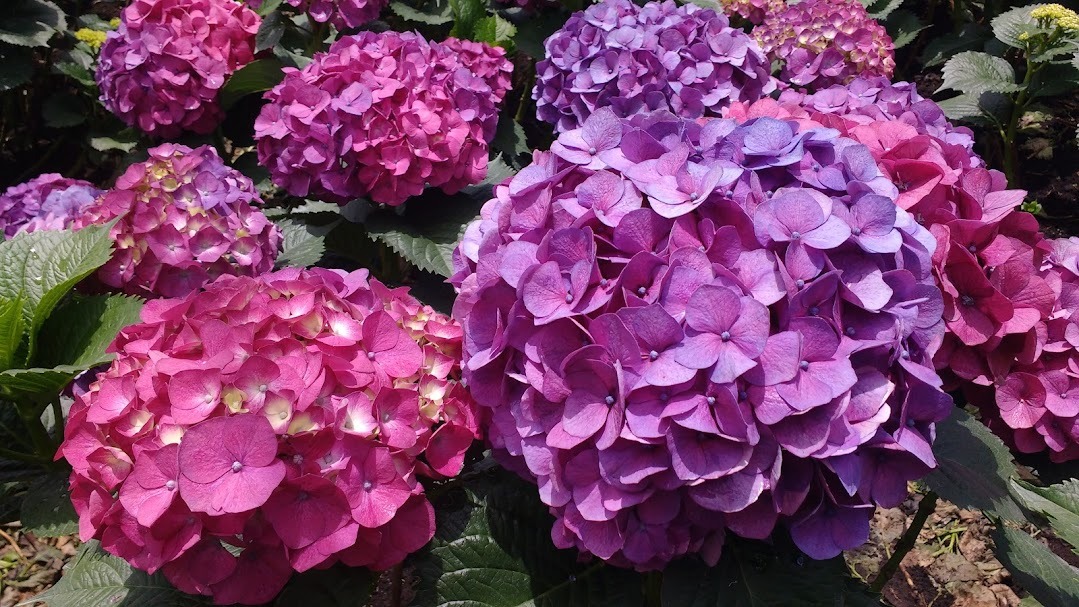
Thanks to these innovations, we cultivate hydrangeas in several sizes and colors. The smaller grades contrast with the jumbo sizes, which can reach up to 25 centimeters in diameter. White is the most versatile color, as it can be dyed into almost any shade. We also offer blue, lavender, and green hydrangeas, providing options that delight our international customers.
Pest management is one of our biggest challenges as our outdoor cultivation systems allow both pests and their biological controllers to enter. We implement a pest management system that protects our flowers and maintains biological balance, essential for preserving biodiversity.
This month, Colombia will host the United Nations Biodiversity Conference, also known as COP16, from October 21st to November 1st. I believe it is crucial for the representatives to hear from our farmers how we improve soil quality, face unpredictable weather, and adopt new technologies to generate sustainable value while protecting the biodiversity of our environment. Decisions and agreements made at COP16 could enable Colombian farmers to access financial resources for projects that promote sustainable agriculture.
Meeting environmental standards is important for international markets. For farmers and exporters like me, it is vital to stay informed about these decisions, as our flowers are not just a beautiful product, but also a business and one of the keys to sustainability is ensuring economic viability along its value chain.
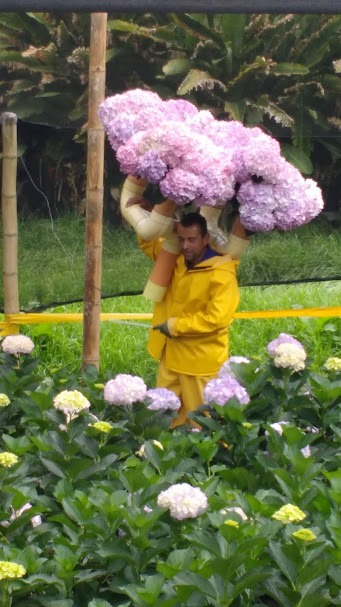
In Colombia, the flower industry supports around 200,000 jobs, many of which are held by rural women who are heads of their families. Their livelihoods depend on free trade, as the vast majority of our flowers are exported. The United States is our largest market, followed by Canada, Japan, and the European Union.
I believe in the power of flowers, and that means I also believe in the power of trade, sustainability, and technology as fundamental bases of the agro-industry.