When he was on his deathbed in 2009, Norman Borlaug delivered his final words of wisdom: “Take it to the farmer.”
We’re all about helping farmers at the Global Farmer Network—but now, as we celebrate our 25th anniversary, it occurs to me that our organization seeks to turn Borlaug’s admonition upside down.
We’re taking the farmers to you.
We strongly support the vision of Borlaug. The father of the Green Revolution meant that scientific and technological advances in agriculture ultimately must make their way to the men and women who produce food. This remains an urgent mission.
Yet our job at the GFN is to amplify the voice of farmers as we promote technology, trade, sustainable farming, economic growth, and food security.
We’re doing it in scores of countries as we work with farmers of all types and sizes, from smallholders in the Philippines and Rwanda to large-scale growers in Australia and Argentina.
Across a quarter century, we’ve discovered that farmers share a lot of common challenges. But we also possess a mutual strength: the authority and authenticity of our voices, if only we use them in the right ways and in the proper places.
Far too often, the voices of farmers go missing in debates over public policy. Politicians, bureaucrats, and activists determine what farmers grow, how we grow it, and where we can sell it. Oftentimes, they don’t bother to consider what’s in the best interests of farmers. Sometimes they don’t know. Occasionally they don’t even care.
That was the worry of five Iowa farmers back in the early months of 2000, shortly after riots disrupted world trade talks. In what became known as the “Battle in Seattle,” protestors resorted to violence to advertise their hatred of global trade.
Lost in the noise and confusion was a simple fact that most farmers understand: The ability to move food and goods across borders benefits both farmers and consumers.
I was one of those concerned Iowa farmers who gathered in Des Moines. We knew we had to act. We wanted to make sure that farmers would have a say in the political debates that affect us directly.
So we started what today is known as the Global Farmer Network.
We’re not just another non-governmental organization that yammers on about its pet cause, from bright and shiny offices in Brussels or Geneva or Washington, D.C.
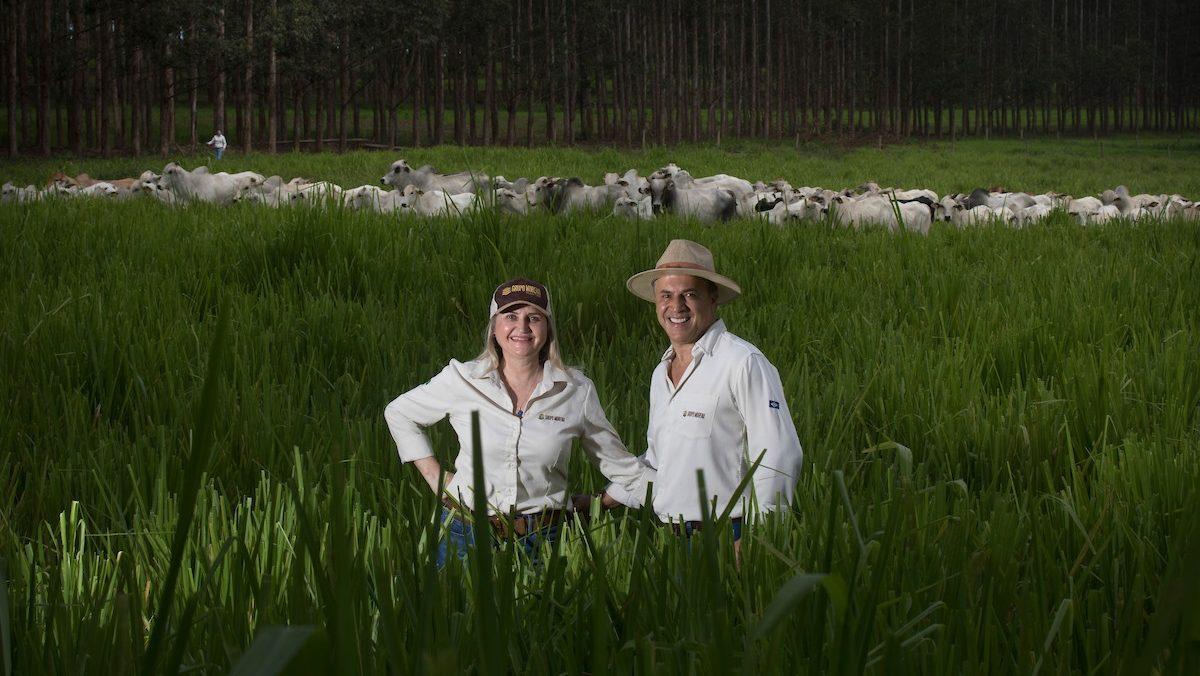
Instead, we’re a collection of working farmers, led by a board of men and women who get their hands dirty as we plant and harvest food.
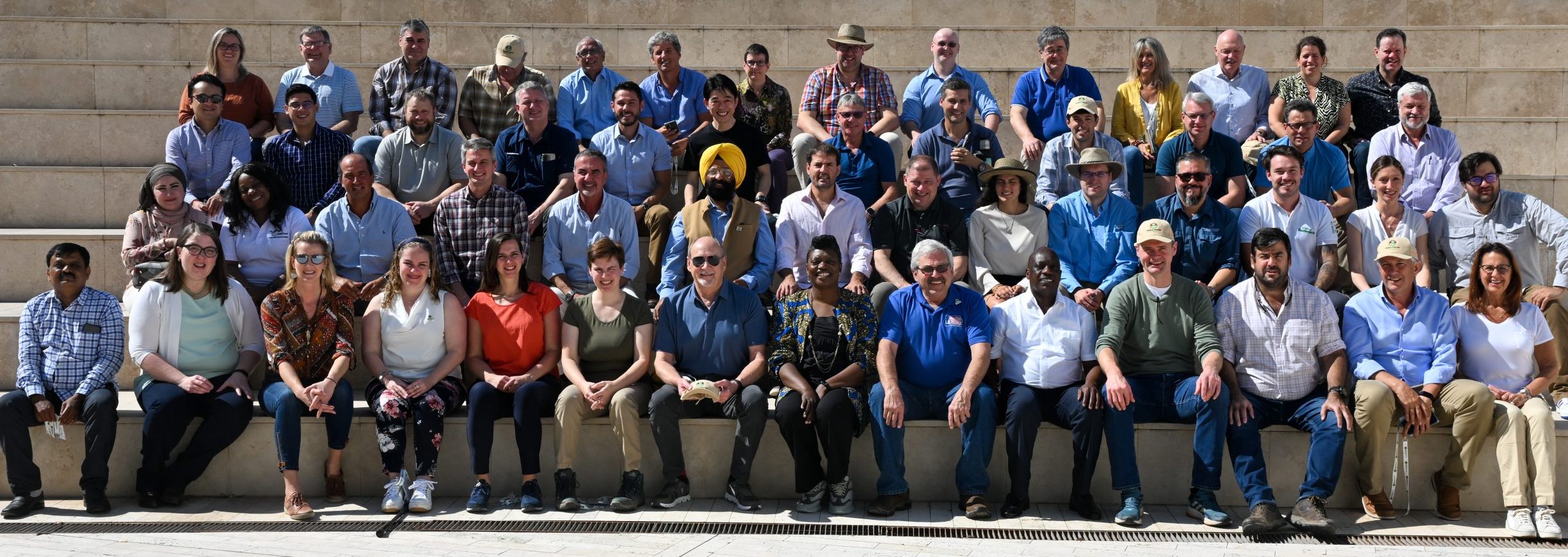
We love what we do, and we’d prefer to focus our time and energy on our vocation of food production. Yet we also know that we need a voice in the corridors of power—and when it comes to farming, nobody’s voice holds more power than the voice of the farmer.
That may be our central insight. Words matter, but the identity of the people speaking the words matters even more.
As one of my GFN colleagues recently noted, you’re either at the table or on the menu. The job of the GFN is to put farmers at the table and in the conversation, as policymakers discuss food regulations, trade and tariffs, climate change, and anything else that affects agriculture.
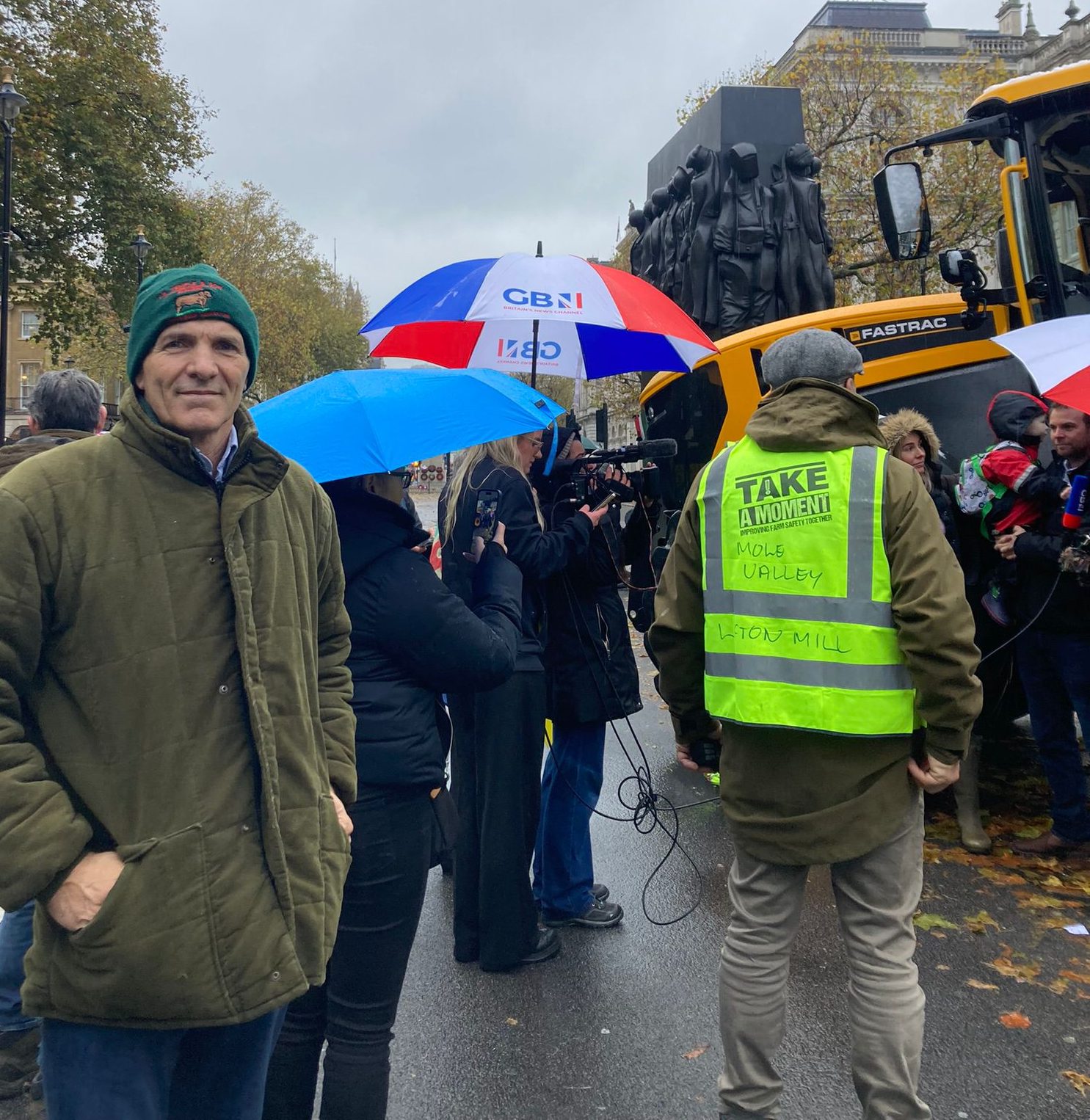
We don’t seek to protest, even though in recent months we’ve seen farmers in Europe raise awareness by taking to the streets. Instead, our aim is to shape public opinion and to infiltrate the process of policymaking.
We write columns. We record videos. We show up at meetings.
I’ve known for a long time we’re making a difference.
I see it whenever I log into our wild and wonderful WhatsApp group, where GFN members from around the world share stories and transfer knowledge in a global dialogue.
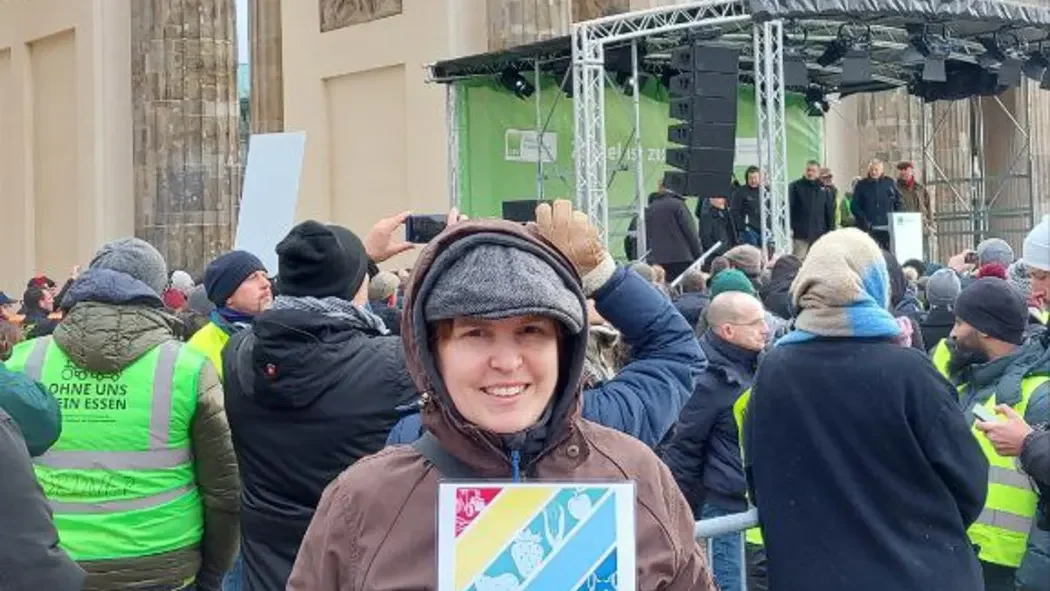
I watched it a few weeks ago during a video conference, when a German farmer who was born behind the Iron Curtain talked about the confidence she’d gained through GFN activities and leadership training.
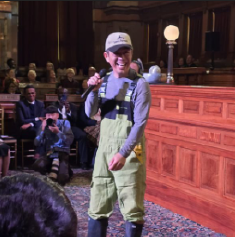
And I saw it again at the last conference of the World Food Prize, when Japanese GFN member Shuichi Tokumoto performed his rock song about no-till farming—and earned a standing ovation from a big crowd that included everyone from top scientists to heads of state.
I’m not one to make big and bold predictions, but I’m sure of one thing: As the Global Farmer Network reaches its 25th birthday, we’ll continue to take the farmers to you.