In the southern heartlands of France, where rolling meadows and cover crops blanket 250 acres, Sarah Singla stands at the forefront of a quiet revolution in agriculture. Among the oldest in France to have adopted no-till practices since 1980, her farm is a place of food production, conservation and global dialogue.
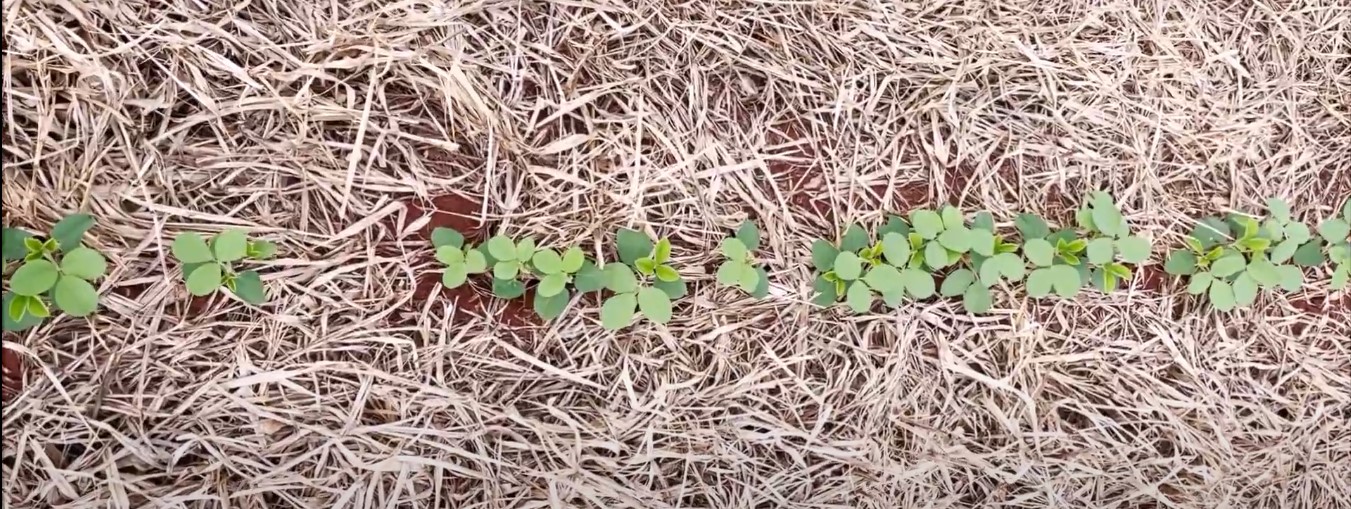
Singla farms triticale, winter oats, rye, buckwheat, alfalfa, and a mix of grasses and legumes. She also utilizes rotational grazing, a method known as mob grazing.
"I have brought back the animals on the farm," she says, "and introduced living cover crops into cash crop systems."
Her livestock and cover cropping integration is part of a broader commitment to regenerative agriculture. Its philosophy promotes soil health, biodiversity, and water retention as essential tools to combat climate change.
“Regenerative agriculture is the major tool farmers have to face climate change,” Singla says. “We have better water infiltration and better resilience.”
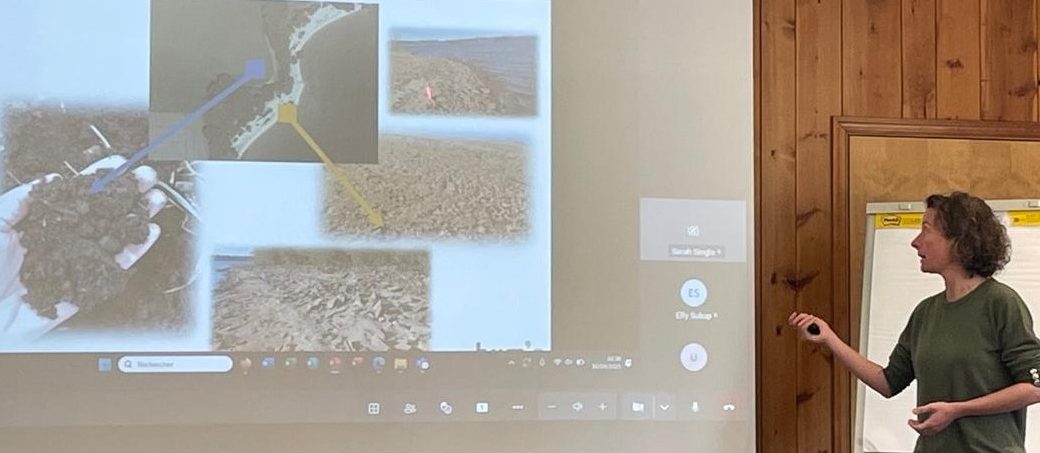
An active member of the Global Farmer Network (GFN), Singla participates in international conversations that aim to reshape how agriculture is perceived and practiced worldwide. Her motivation? To connect with and learn from farmers across the globe and to ensure that their voices are represented in policy discussions.
The GFN is a global organization that connects farmers of different genders, farm sizes, types, and locations worldwide. Despite speaking different languages and having unique voices, they share a common passion and commitment to amplify their message and show unity as a community.
“To bring farmers to the table with more power and more voice when it comes to discussions about agriculture,” she says of her reason for joining the GFN.
European farming, she notes, is uniquely challenged by an uneven regulatory landscape.
"The regulations are not the same with other countries from all around the world," she notes, expressing concern that this disparity can leave European farmers less competitive.
She says the impacts of the EU’s Common Agricultural Policy (CAP) and the Green Deal, while well-intentioned, have led to decreased productivity on her farm.
But Singla remains positive. Her philosophy is rooted in adaptation and cooperation. In recent months, she and fellow global farmers signed a declaration on regenerative agriculture to demonstrate that solutions based on science and agronomy are not just feasible but essential.
“It’s a common way to explain to the world that all of us are in the same boat,” she says. “We try to find logical solutions to improve farming operations, to preserve and restore the environment and to be happy in what we do.”
This mindset extends to how she communicates with consumers and policymakers. To Singla, advocacy starts with storytelling.
“Telling the story means explaining with few words what we face, what we live, and what we would like to have for the present and the future,” she says.
Her message is both a personal request and a call to action: that agriculture, far from being a cause of global problems, is actually the solution.
“Farming and agriculture are the solution to many of our problems,” Singla says. “We can produce food, feed, fiber, forests and fuel while protecting the natural resources. All while making a living.”
For young people, she sees farming not as a relic of the past, but as a meaningful, tech-friendly career of the future.
“It is a very good job for the young generations that may be attracted by jobs that make sense,” she says, highlighting the satisfaction of working the land while stewarding it for the future.
Through her work at home and her voice abroad, Singla proves that sustainable agriculture and peer-to-peer information are essential to the future of food.
_______
This piece is by Joseph L. Murphy, an Iowa-based writer and photographer who collaborates with the Global Farmer Network to tell compelling stories about farmers around the world. A proud native of Iowa and a graduate of the University of Iowa, Murphy has spent over 15 years specializing in agricultural photography. His work captures the lives, landscapes, and communities that shape global agriculture. You can explore more of his work at jmurphpix.com.
Featured Image Source: Joseph L. Murphy © 2025 Joseph L. Murphy