Unbelievable to me, in Brazil today, using X is considered a worse offense to society than using drugs.
That is the outrageous result of the government’s crackdown on the social-media network formerly known as Twitter. And now the courts are targeting Starlink, a satellite system that, like X, is owned by the entrepreneur Elon Musk.
These assaults on free expression violate a bedrock principle of democratic societies. They also threaten to prevent farmers like me from achieving food security.
The battle of communication has become the most important struggle for Brazilian farmers today.

Thousands of Brazilians took to the streets of Sao Paulo on Sunday to protest the government’s despotic actions against free expression, which have grown so repressive that an ordinary Brazilian today can be fined 50,000 reais—almost $9,000 in U.S. currency—simply for using X on a private network.
That’s a harsher penalty than a drug dealer receives for trafficking 40g of narcotics.
The dispute erupted because X refused a judge’s order to banish users who criticize the government. Now the controversy has extended to include Starlink, whose financial accounts are frozen.
As I grow soybeans, corn, and sugarcane and raise livestock in several Brazilian states, I depend on both X and Starlink.
Social media is a basic form of mass communication. I take advantage of Instagram, YouTube, and LinkedIn but I’ve relied on X the most. I like the way it manages the flow of information and enables me to connect with others.
It helps me be the best farmer I can be.
And Starlink is an indispensable network for Brazilians. During the devastating floods earlier this year in Rio Grande do Sul—the worst floods in Brazil in nearly a century—Starlink became the only reliable way for people to contact the outside world. It stopped a tragedy from becoming even more horrible.
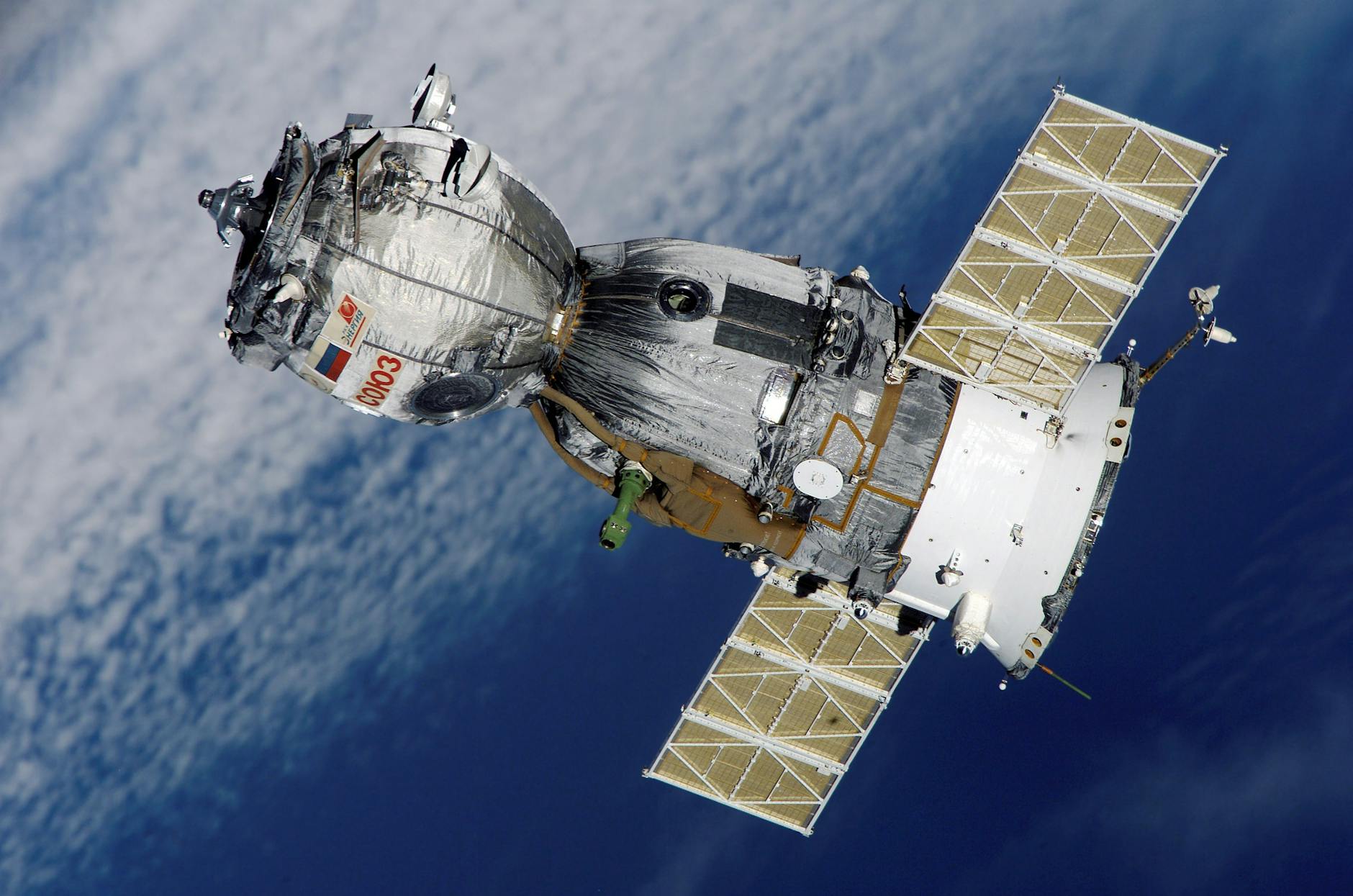
Starlink also empowers farmers on agricultural frontiers. From remote areas, they can check commodity prices at the Chicago Stock Exchange, show training videos to employees, and consult digital manuals when tractors or other machinery break down.
It makes no sense to take away these tools of communication. In shutting down X simply because he doesn’t like some of the opinions expressed on it, Supreme Court Judge Alexandre de Moraes reveals himself as an enemy of freedom. He puts Brazil in league with other nations that don’t permit free expression and have outlawed X, such as China, Iran, and North Korea.
Starlink is still available for Brazilians to use, but de Moraes has frozen its accounts as a way to force X to pay fines. It is easy to worry that he will take the additional drastic step of shutting it down entirely.
I’ve always believed in the importance of free expression and communications technology. My faith in it strengthened when I served as Minister of Agriculture and Agrarian Reform at the age of 29. As the youngest Minister of State in the country, we formulated national policies on irrigation, storage, and prices and promoted a major liberalization, including the elimination of subsidies and the reduction of external tariffs.
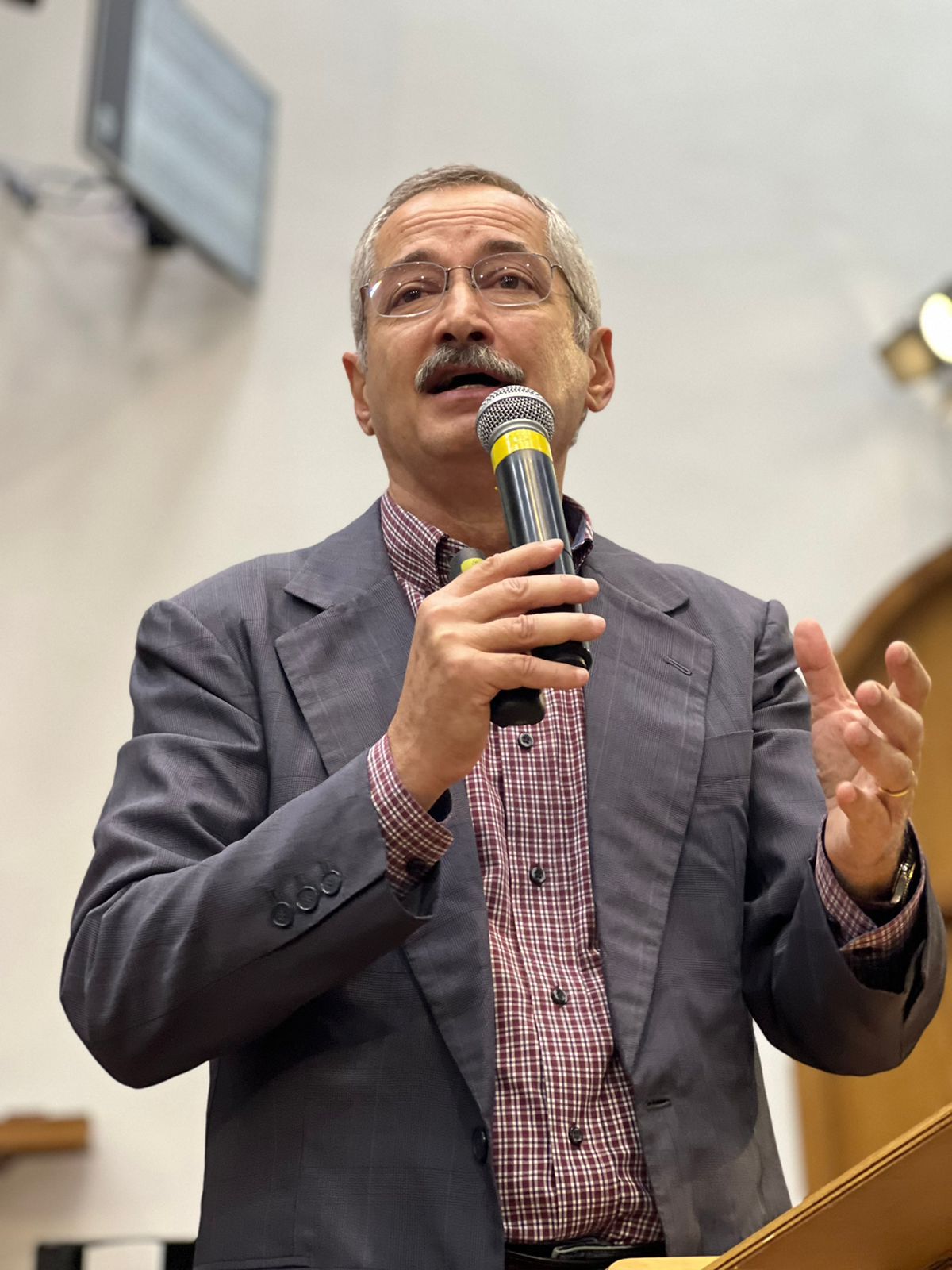
I saw firsthand that every reform depends on the free flow of news and information as well as opinion among Brazil’s citizens.
That’s how democracy is supposed to work.
Farmers are always fighting for access to technology, and in Brazil we’ve been blessed with some of the best. On my farms, we cultivate GM crops that help us defeat weeds, pests, and disease. We fly drones to monitor our progress. We fuel our tractors and harvesters with biodiesel. We power our irrigation system with electricity produced from burning sugarcane straw rather than fossil fuels. We rely on regenerative agriculture to protect the soil and keep us sustainable.
Now we’re working aggressively to calculate and reduce our carbon footprint, with the goal to be a carbon-neutral farm.
Behind every one of these innovations is the technology of communication—and the ability of farmers to talk to each other, exchange knowledge and ideas, and make swift decisions based on the best data.
And behind the technology of communication is the principle of freedom of expression.
If farmers lose their freedom of expression—on X, via Starlink, or in any other way—then they may also lose their freedom to flourish as farmers.
It is only through freedom of expression that we can defend other freedoms.