Food inflation in the UK jumped up to nearly 5% this summer, well ahead of the standard inflation rate, in a worrying signal for the economy in general consumers and for farmers in particular, as they see no upside and have to absorb extra costs.
Consumers may think that food inflation helps farmers because they assume we’re getting more money for our crops and our livestock. Yet this is not true. We don’t receive the shop price. A lot of what consumers spend goes to retail overhead, fuel and transportation, tariffs, and more, particularly labor now one of the biggest problems for farming.
Farmers in fact have delivered food deflation through rising productivity—but unfortunately for consumers, we’ve become more vulnerable to forces outside of our control, from government policies to climate patterns.
The latest inflation figures, tracking UK prices in July, showed an overall rate of 3.8%, which is down from the heights of 2022 and 2023, when it soared above 10%. Yet it’s also up from a year ago, when the inflation rate was just 2%, which matches the Bank of England’s target. Ever since hitting it, however, prices have gone up, lately driven by a surge in airfare prices as well as an inflation rate of 4.9% for food and non-alcoholic drinks.
Consumers are more sensitive to food costs than they are to any other category, including pump prices at gas stations, according to a recent study. Patrick Hosking, financial editor of The Times, explained it in a column: “Food items,” he wrote, “are most likely to catch our eye and determine our view of the inflation rate more generally.”
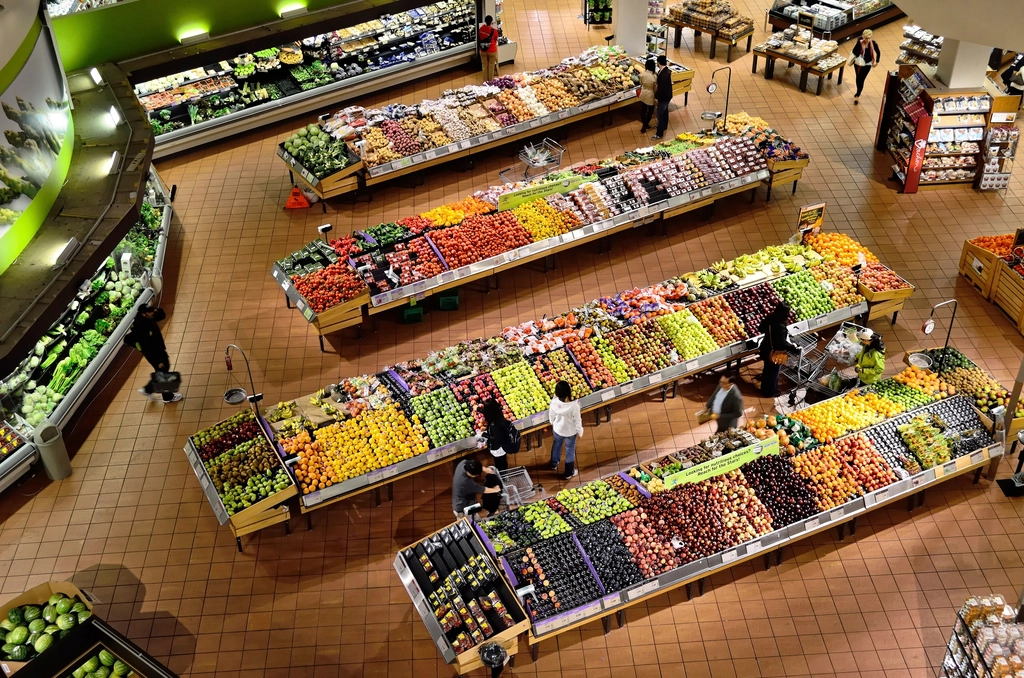
I know exactly what he means. I’m the weekly grocery shopper in our household, and I’ve watched as food prices keep going up, especially for beef, coffee, and cocoa. Retailers have tried hard to resist these pressures, in a sector with strong competition and low profit margins. At some point, however, they simply have no choice but to raise prices.
This is hardly padding my pocket as a farmer. Inflation has dramatically increased our running costs, especially for machinery purchased or repaired. On top of that, we’re paying more for labor because the government has boosted the minimum wage by 10% and put additional taxes on employment, apparently forgetting the economic lesson that the surest way to get less of something—in this case, jobs—is to make it more expensive.
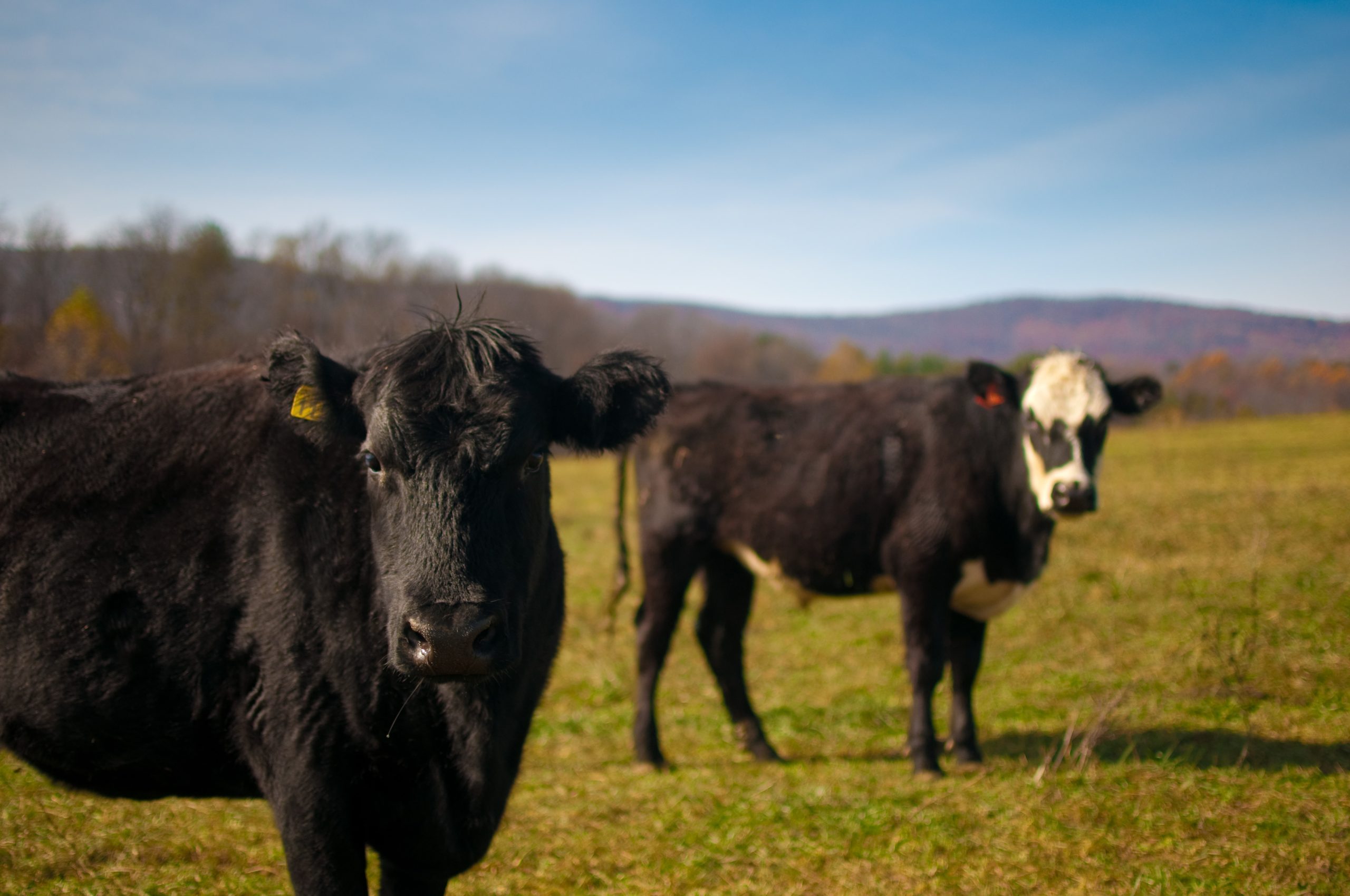
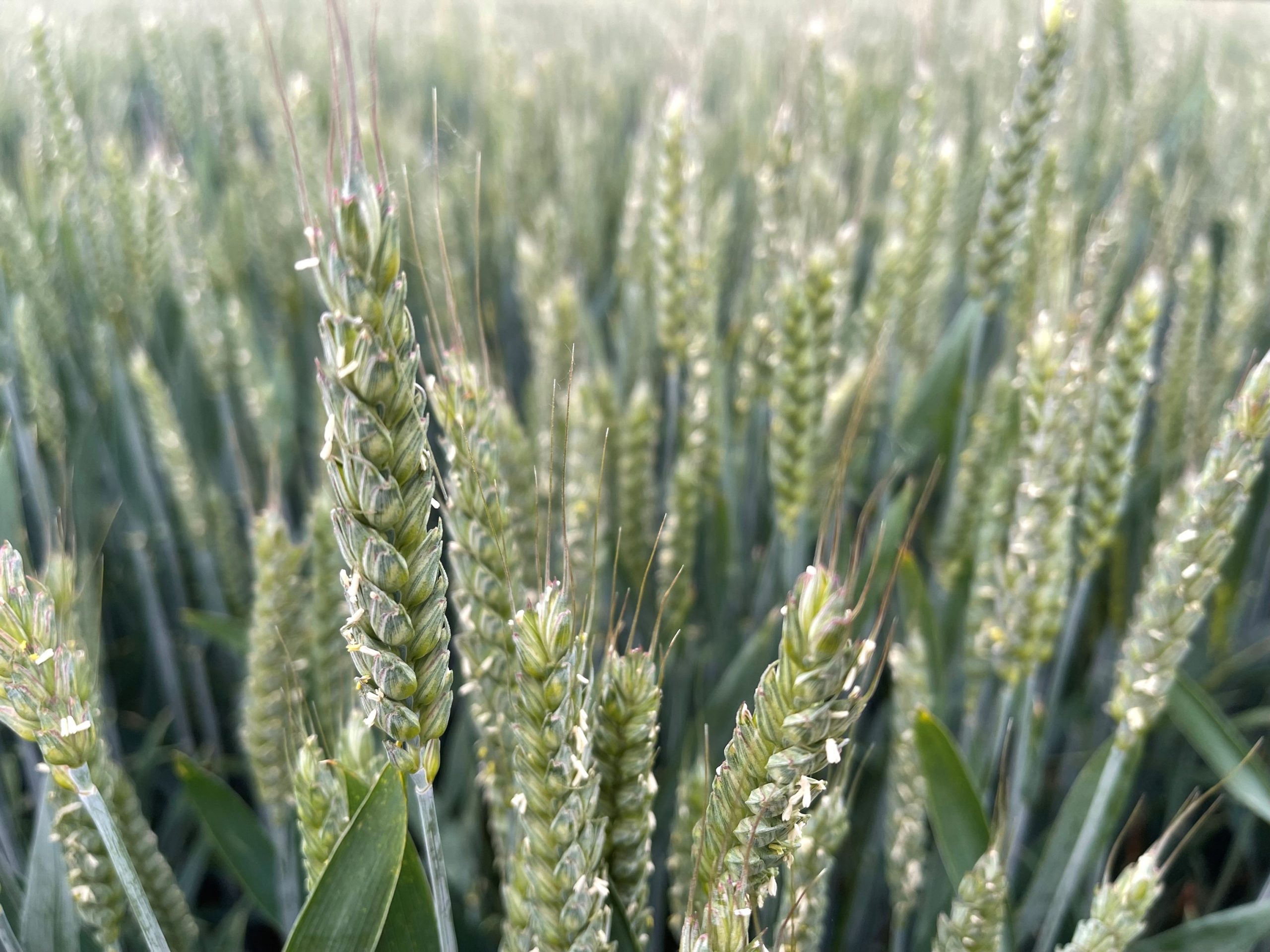
It's true that we’re earning more money for our beef as the cost of meat has risen. In many ways, this has saved our farm because the price of our wheat and barley has dropped. Our latest harvest was early—the earliest on our farm since 1976—and it was poor, with yields down by 25%. We also need it to rain so that we can seed next year’s crop of canola. The weather just isn’t cooperating this year—and I foresee a future in which water becomes more of a challenge as the demand grows and the lack of infrastructure investment shows.
On top of this, the agricultural section is suffering from the pressure of a new inheritance tax that will make it more difficult for many farmers to pass their land down to their children. This creates additional anxiety and uncertainty.
Every farmer is fighting these trends. Many are losing and lots have given up. I’m seeing more farmland for sale right now than I’ve observed in many years.
These are the people who have done more than anybody in recent decades to keep food both abundant and affordable. Farmers and our supply-chain partners have been so productive that we’ve lowered food costs. In 1960, consumers spent about a quarter of their income on food. Today, that figure is about 11%.
One of the biggest factors in this positive development is that farmers are growing more food on less land than ever before, thanks to innovations that have improved the crops in our fields and the tools in our sheds. It shows what we can do when we enjoy access to the best technologies.
Free trade also can help because it expands markets and improves competition. Tariffs are simply border taxes that boost the price of everything. I recently listened to a BBC report that made the point with a real-world example: The United States has imposed a 50% tariff on imports from Brazil, which supplies Americans with about one-third of their coffee.
We already know the sorry result: Consumers will pay, inflation will rise, and farmers will suffer. Food inflation hurts us all.
Photo credit: "Fryingpan Food" by Patryk Dziejma/ CC0 1.0; "Free top view grocery store"/ CC0 1.0