Farmers are the doctors of the future.
The statement may sound bold and strange, but I heard it recently from a young doctor who had grown up on a farm.
He offered this striking idea at a small conference for farmers here in the Netherlands. As a member of a foundation called “Your lifestyle as medicine”, he went on to say that medical education today is mainly about curing ailments rather than preventing them—and that farmers have a role to play in the solution.
He went on to connect healthy food to healthy soil, because what grows in the soil has an impact on our health. In other words, a healthy soil is the basis for a healthy diet, which in turn contributes to the health of people.
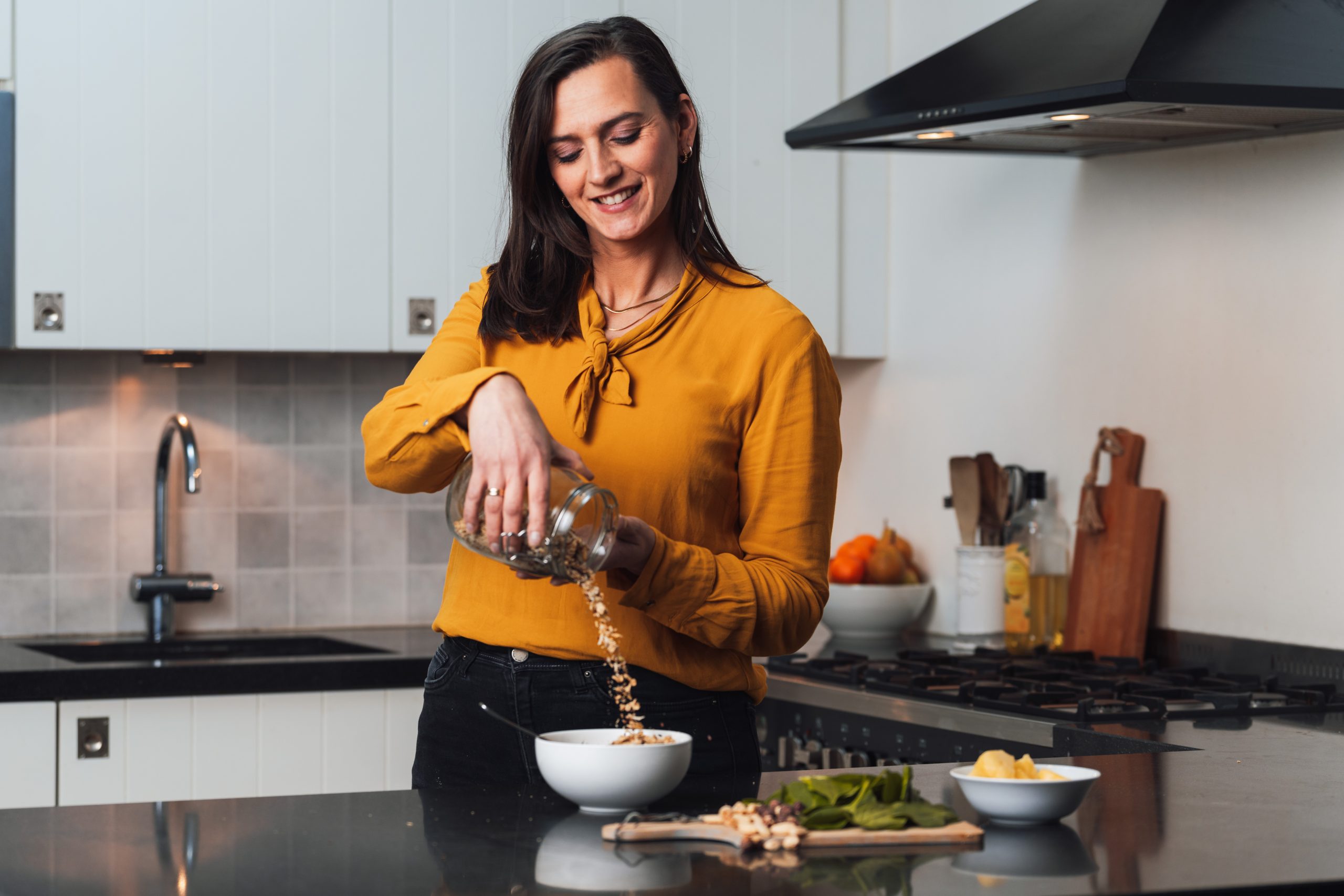
Our diets have changed quite a bit in the last few decades. The choice in supermarkets is enormous and many of these products are not immediately offered fresh. It is sometimes easier to buy unhealthy food rather than fresh and unprocessed, and at times it is cheaper as well. This has huge implications for the wellbeing of ordinary people as well as for society, in the form of public healthcare costs.
In western countries, over-nutrition is becoming increasingly common. As a result, more people suffer from lifestyle diseases such as diabetes and heart problems. In other parts of the world, malnutrition is the larger concern. This can lead to growth problems, for example. Malnutrition poses a challenge, even in wealthy nations. A recent study showed that roughly a third of women under the age of 50 in the United States suffer from iron deficiency. One of the explanations is that women are eating less meat on average, which is a great way to supply a body with the iron it needs.
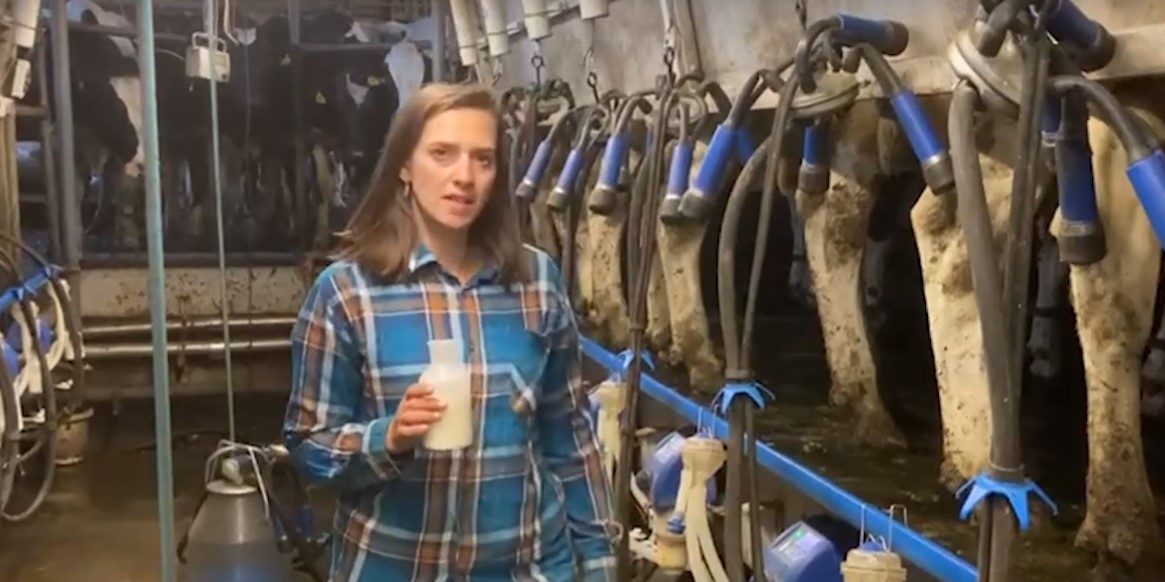
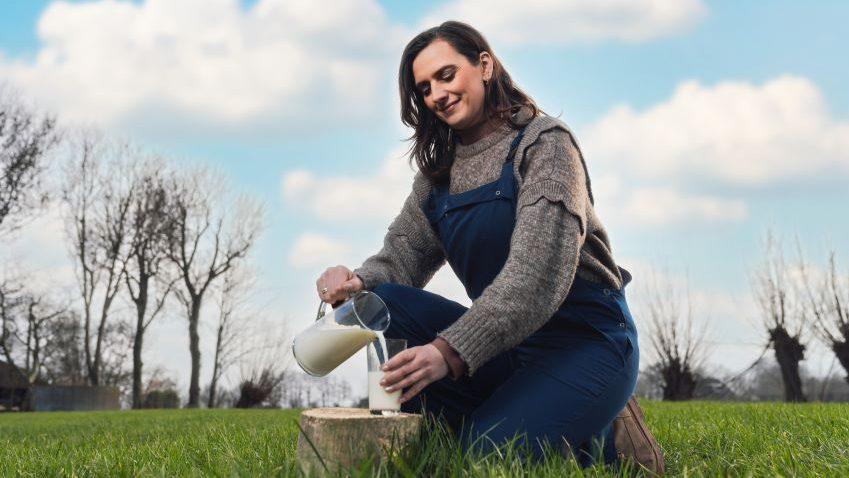
I’m a dairy farmer, not a doctor. I’m probably better at diagnosing ailments in cows than in people. I certainly wouldn’t dare to read the results of a CT scan or diagnose an illness. That’s for the professionals.
Yet food producers should be at the center of any conversation about human health. Everything starts with us because our food becomes everyone’s diet. Farmers are partners in the cause of trying to prevent ailments before they break out, especially if we can gain access to the best technologies that improve nutrition.
My job as a dairy farmer is to deliver a healthy and delicious product, so I think a lot about nutrition and how to provide it. I also try to eat right for myself and my family, with varied foods and a diet that includes lots of fresh fruits and vegetables, balanced with meat, grains, fibers, and of course dairy.
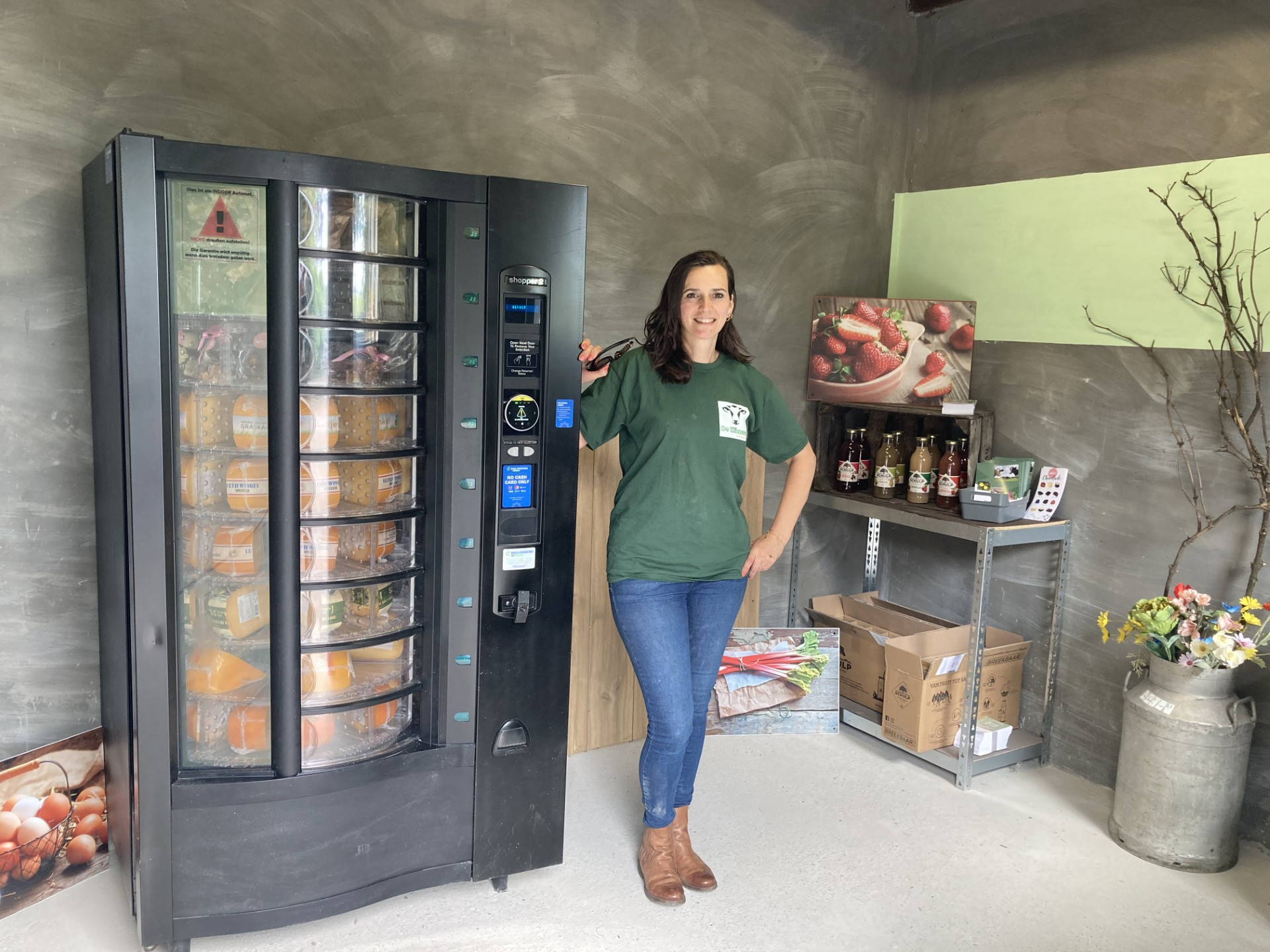
Farmers are a part of the solution. We should talk more about the advantages of healthy diets as we continually strive to grow healthy food that prevents medical troubles before they erupt.
For me, it starts with our soil. When it’s rich with microbes and nutrients, it benefits the dairy our cows are producing.
We’ve conducted research on our farm to increase the nutritional value of the dairy our cows were producing. We had a theory that if we added “healthy fats” such as omega-3 fatty acids to the diet of dairy cows, the animals would pass these nutrients into their milk and onto consumers. Although we were convinced that this was the case, there was too little scientific consensus on the matter, so we never scaled up but we learned something.
We’ll keep on innovating. That’s how we make progress.
My sense is that the largest gains for nutrition will come from crops. We need fruit, vegetables, and grains that deliver big health benefits.
Technology will continue to help us achieve this goal. Farmers must enjoy access to all of the modern tools of agriculture, including precision irrigation that delivers water in the right quantities, fertilizer that helps plants grow and flourish, and crop-protection products that fight weeds, pests, and disease.
The makeup of seeds also is essential. I’m attracted to the new technology of gene editing, which speeds up the process of conventional breeding, allowing for faster trials, and holding the promise of producing crops that deliver better nutrition.
We should embrace this new technology and take full advantage of its potential to improve human health.
I may not be a doctor, but that’s my prescription for better nutrition and preventive medicine: Let farmers use the best technology.