Canada is ready for the next genetic revolution.
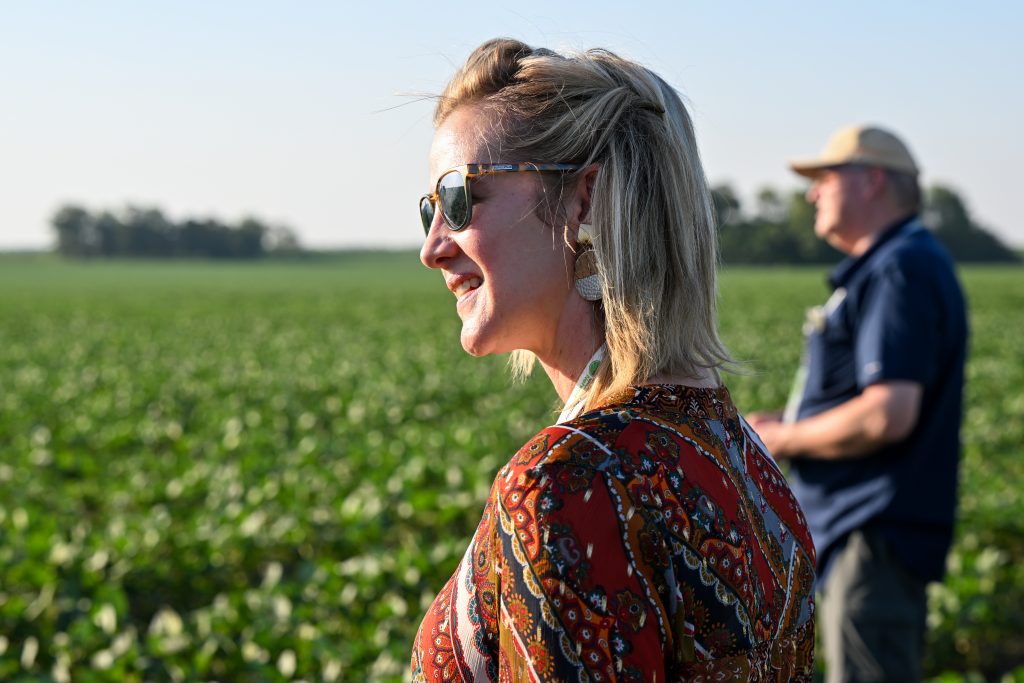
Farmers like me applaud the Canadian Food Inspection Agency (CFIA) for letting sound science guide agricultural policy—and clearing up the uncertainties and ambiguities that until now had surrounded crop production’s most promising new technology.
On May 3, the CFIA confirmed that gene-edited crops are safe for livestock, following Health Canada’s lead in determining their safety for food.
This decision means that farmers across Canada will enjoy a new tool for fighting drought, defeating pests, and improving sustainability. For consumers, it means affordable, abundant, and nutritious food. For the world, it means better food security.
It all starts on the farm and I’m excited about what gene-editing will help me accomplish here on the plains of Saskatchewan, where we’re currently planting our new crop of canola for cooking oil, lentils for stews and soups, and durum wheat for pasta.
We’re also fighting a seven-year drought. Our area is typically rather dry, and the crops we grow are adapted to these difficult conditions—but over recent years we’ve received much less water than we need, putting extra stress on our plants as they try to flourish.
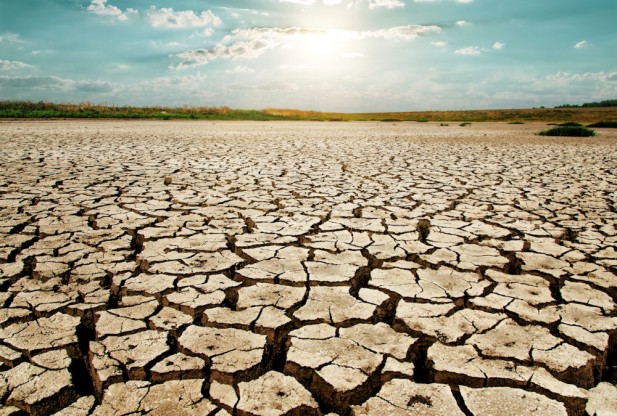
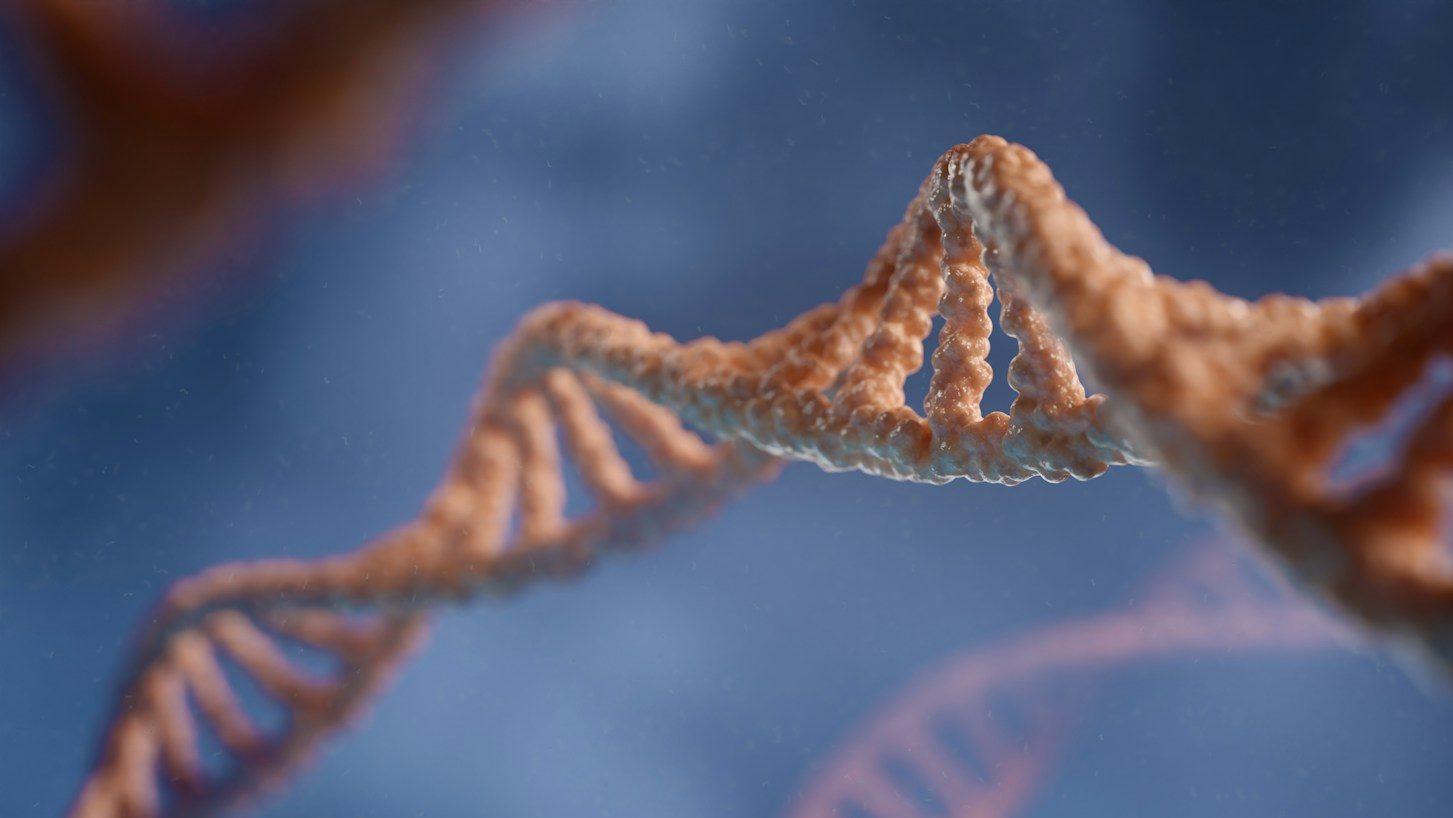
Gene editing offers a solution. It allows researchers and scientists to speed up the otherwise slow process of conventional breeding. They can develop and refine traits from the genetic code that is already inside each plant—and, for example, develop crops that make more efficient use of water.
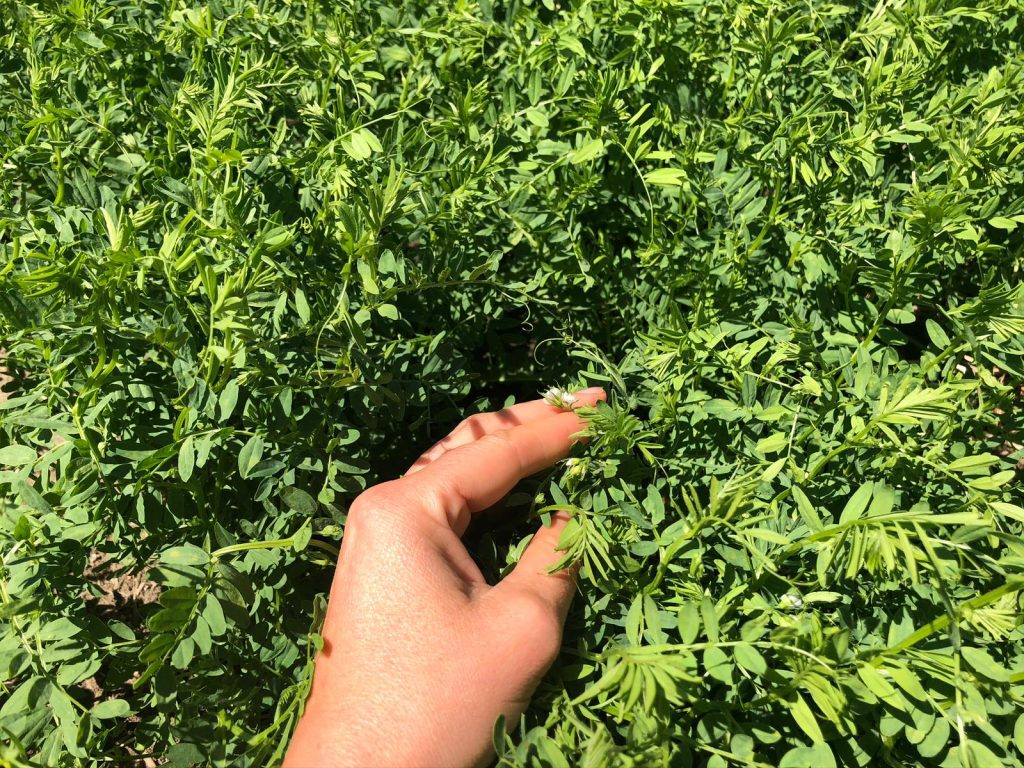
Gene-edited crops may rely on new technologies, but in every way that is important, they are indistinguishable from crops produced the conventional way.
This is different from the technology of genetic modification in GM crops, which involves taking the genes from one species and transplanting them into another. I’ve been a strong supporter of GM technology—the canola on my farm is GM canola—but it’s important for people to know that gene editing is a more refined approach to crop improvement. Gene editing allows for precise changes within a plant’s own genome without introducing foreign genes, making it a more precise and targeted method for enhancing crop traits.
Traditional conventional crop breeding can take ten or more years of research and development for a crop trait to move from concept to commercialization.
I’m not near patient enough to wait that long for new, much needed traits. And now I don’t have to be. Gene editing lets us pick up the pace. I’m looking forward to a future in which farmers see new traits every year, as we build crops that withstand drought, frost, and pests. This new generation of crops with specific traits should also allow us to use our resources more efficiently and to improve the nutritional value of our food.
And it gets even better. Because gene editing is fast and efficient, R&D teams will be able to focus their time and energy on specialty crops and regional varieties. It will finally make economic sense to develop plants uniquely suited to the local environment of my region, the Mossbank area of Saskatchewan.
The CFIA’s decision lets us take full advantage of what gene editing can deliver.
It also helps Canada maintain its position as a global leader in agricultural technology. Because we export so much of what we grow, we have both an obligation and an opportunity to tell the story of gene editing to the rest of the world.
That’s why I travelled to Brussels last year to talk about the benefits of gene editing with a group of international farmers: Gilbert Bor of Kenya, Guillermo Breton of Mexico, David Danio of the Philippines, and Diana Lenzi of Italy. And then took my whole family to Japan to share our farm’s experience and support for seed technology with Shuichi Tokumoto, a farmer in Tottorishi, Japan. We are all affiliated with the Global Farmer Network, and we come from vastly different places. Our goal was to show our united support for gene editing.
We think gene-edited crops will make us better farmers, and that means we’ll grow better food for the people who count on us.
This is an essential point: Farmers want this technology. And now Canada is going to get in the game so my family farm can continue to grow safe, healthy, affordable food.