Franklin Delano Roosevelt saw the damage delivered by soil degradation and erosion back in 1937.
“The nation that destroys its soil destroys itself,” wrote the president after a turbulent period of dust storms and floods.
That was a good insight, especially for a person who did not have a personal connection to agriculture. Roosevelt wanted to command the forces of government to save America’s soil.
Today, farmers are taking the lead in the global effort to protect our soil. Our cause has a name: “regenerative agriculture.”
A group of us recently met to draft and sign a declaration: “We, as farmers, affirm our commitment to regenerative agriculture as a pathway to improve ecological functions of farming, feed our communities safe and nutritious food, and secure a thriving future for generations to come with dignity and well-being of the farming communities as top of mind.”
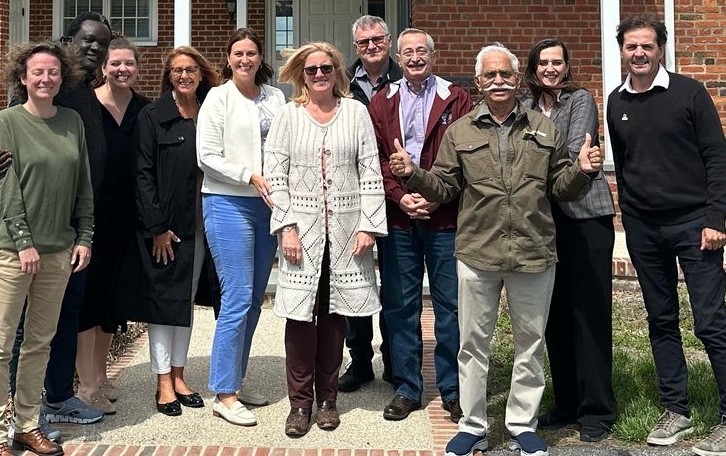
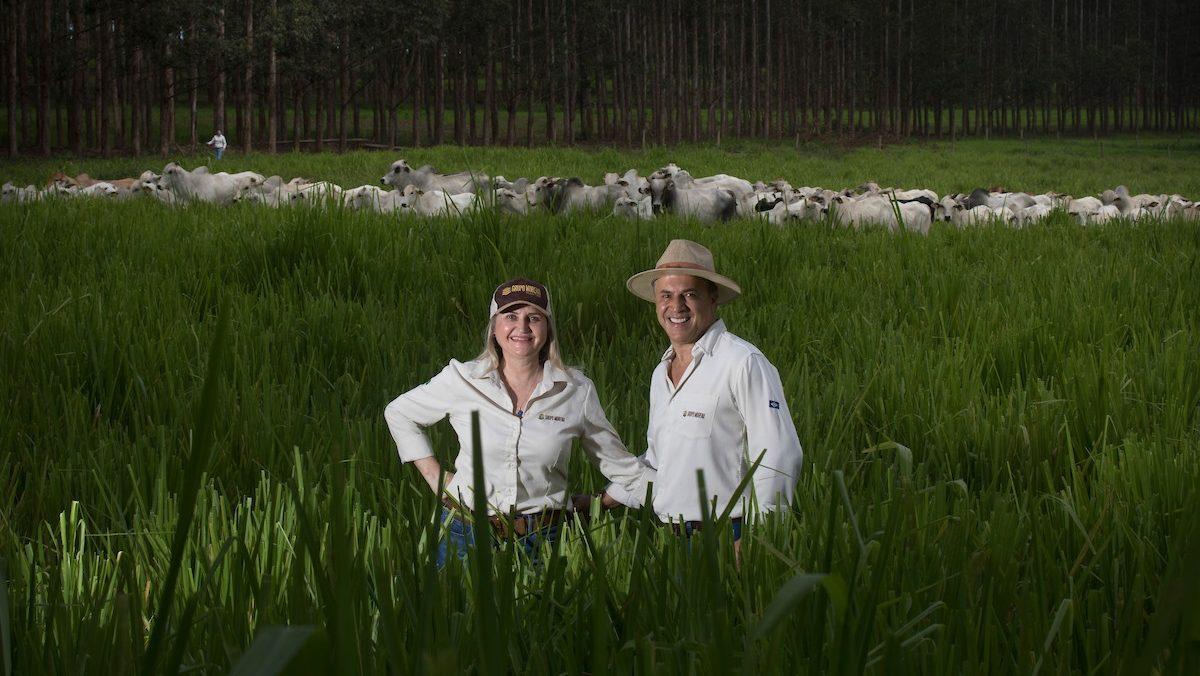
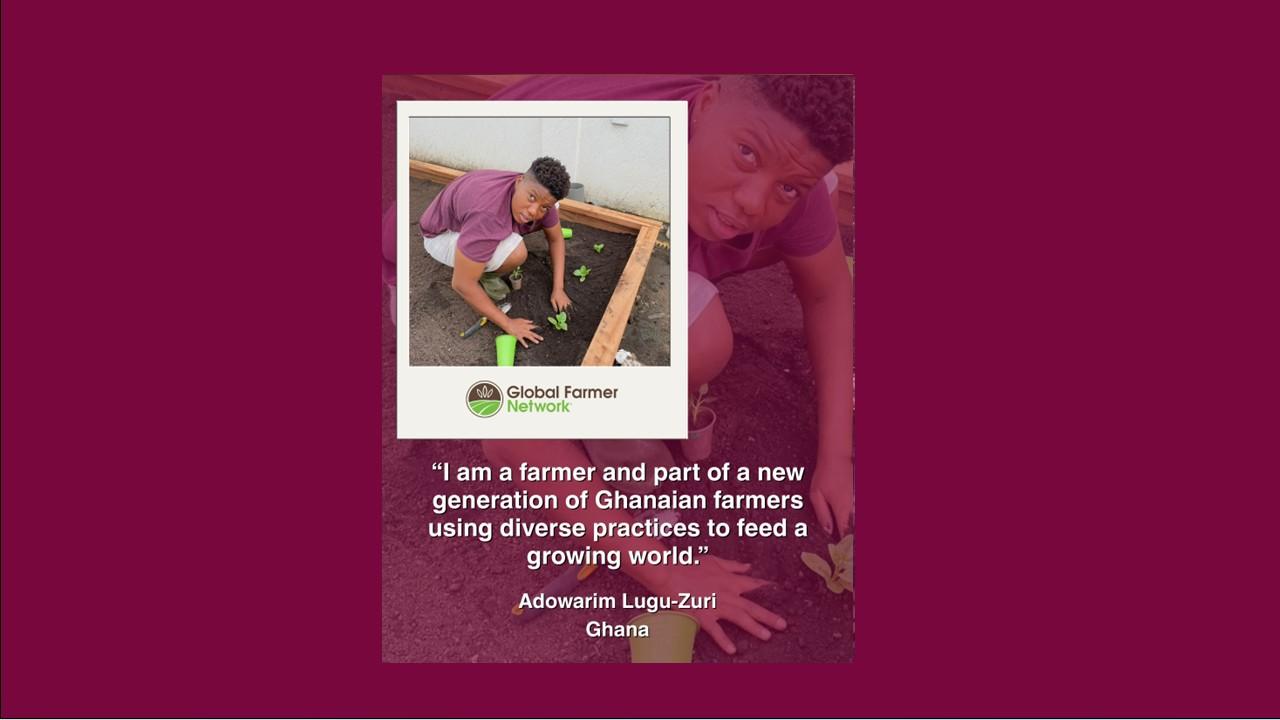
We gathered from around the world. I’m a farmer in France, and my co-signers include men and women from Argentina, Brazil, Denmark, India, Kenya, the Netherlands, and the United States. Our backgrounds may suggest that we don’t have much in common. We grow different crops and produce a diverse range of food, feed, fuel, fiber and forest. We face various challenges from pests, weeds, climate, and more.
Yet we share a common belief that regenerative agriculture, based on agronomy, is the future of farming, as it strives to produce a bounty of food in a sustainable way.
Our focus is the soil, which is every farmer’s first tool of production. If we keep it healthy, we’ll grow healthy food. We’ll also produce more with less—more food, combined with less mechanization, less fuel consumption, and even less acreage. We rely on agronomy, which is the science of agriculture, and look to technology and innovation to help us meet our goals.
Some farmers discover regenerative agriculture. I was born into it, as my farm in southern France began to concentrate on soil conservation in 1980. Today we mostly grow cereals and pulses, plus meadows for grazing.
Regenerative agriculture begins with a principled commitment to soil conservation, but the specifics will vary based on local conditions and needs.
On my farm, for example, we plant cover crops right after the cash crop. This means we’re getting two crops each year in the same field.
The cash crop has commercial value, and we grow it for income. The cover crop, which follows, offers a lot of services for the farm, starting with the simple chore of covering the soil to protect it from the elements. It’s like a blanket that guards against heat, frost, and wind. In the soil bed beneath, it locks in moisture, preserves biodiversity, and prevents erosion. It also recycles nutrients.
The result is a field that’s ready for the next cash crop. Cover crops also provide additional benefits. Livestock can graze on them. Depending on what we’ve planted, we can harvest cover crops for feed.
Most important is the fact that we’re getting two crops from one field. In a single year, we can produce food AND feed, food AND fiber, or food AND fuel. The choice is ours, made possible by a dedication to regenerative agriculture.
Our goal in drafting a declaration on regenerative agriculture is to show that farmers, who work all the time in the fields, know that this is the future of food production—and to inform policymakers, who often lack a background in agriculture, about what we’re doing and why.
We believe that if farmers everywhere can produce in the places where they live, getting as much as possible from every square meter of healthy soil, then we’ll achieve food security for our communities and beyond as well as encourage young people to take up our profession.
Eight of us drafted and signed the document. Soon we’ll seek additional signatures. We speak with one voice on regenerative agriculture and the future of farming.
We inherited the land from our parents and ancestors. Now we’re its stewards, as we prepare our farms for passing on to our children and the next generation.
Regenerative agriculture is the way.
_________________

Sign the Farmer Declaration and join us as we affirm our commitment to regenerative agriculture as a pathway to improve ecological functions of farming, feed our communities safe and nutritious food, and secure a thriving future for generations to come with dignity and well-being of farming communities as top of mind.
Use the QR code, or click this link to sign.