An old proverb says that the best time to plant a tree was 20 years ago. The second-best time is right now.
I learned the truth of this saying recently, as I prepared remarks for the government-affairs team of a global agricultural company. I was planning to make the point that for farmers like me, times are getting tougher.
The claim seemed both true and reasonable. From trade wars to climate change, farmers face challenges like never before. Incomes are down and costs are up. Food producers are in a bad spot.
At least that was my hypothesis.
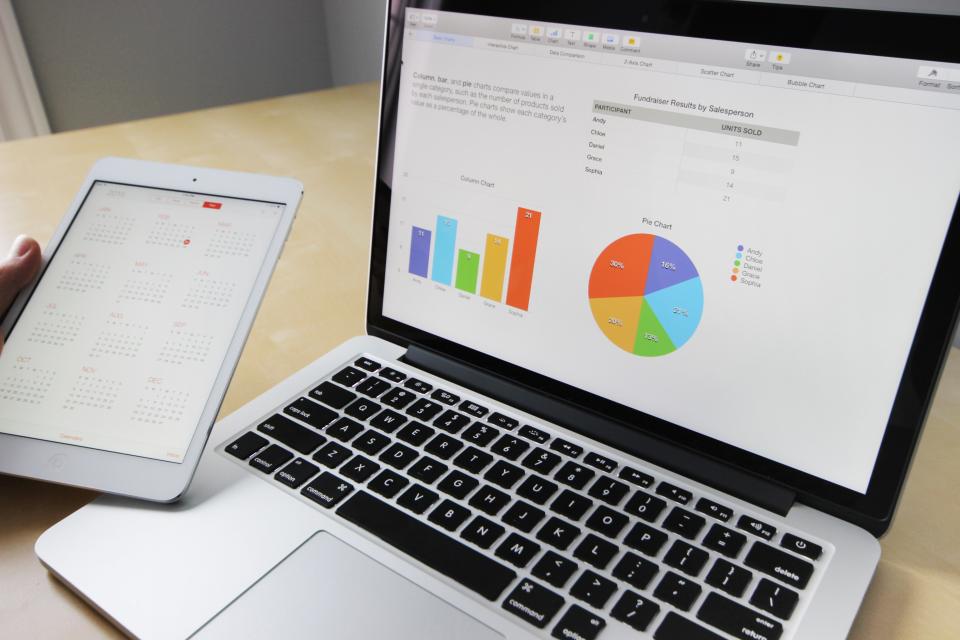
I prefer hard facts to bold assertions, so I dove into my farm’s management accounts and examined data from across two decades on topline income and fixed costs.
What I discovered was a surprise. Some years were better than others, which I expected, but the overall trend was clear: Income and expenses had pretty much tracked.
Don’t get me wrong: Farming is hard. I have a lot of concerns about where food production stands right now and where it’s headed.
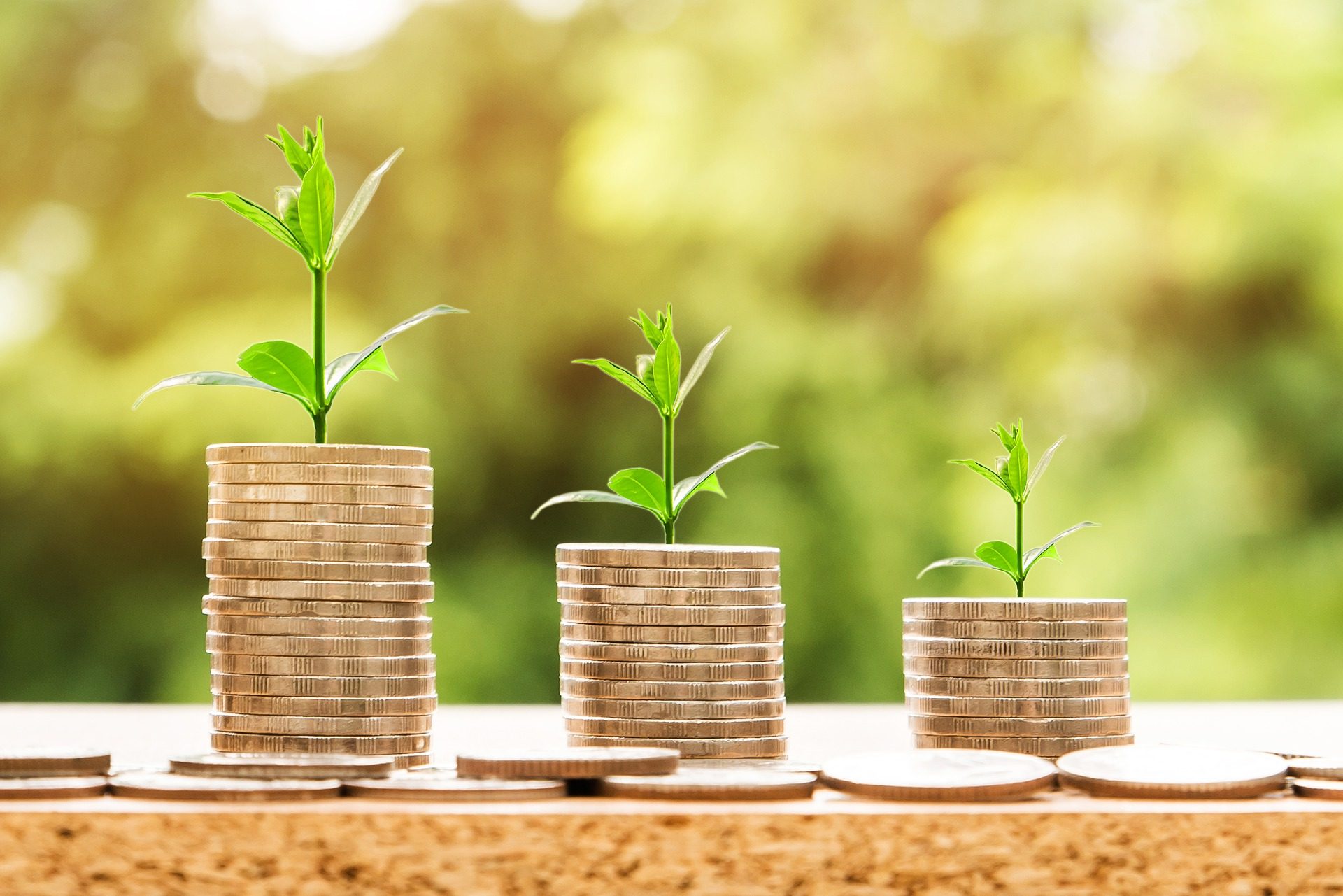
Yet the data forced me to conclude that when farmers look forward and invest in the future, we can make a return against costs. We must see beyond the season we’re in and take the long view.
I haven’t always done this on my farm. Sometimes we’ve taken the short view and paused investments in technology because they looked daunting in the moment. Each time we did this, however, we suffered. When we tried to delay the inevitable, we had to play catch up later.
Here in the United Kingdom, Brexit put us on notice that we would have to change some of our most basic farming practices. Our country’s separation from the European Union—approved by voters ten years ago and finally coming into full effect five years ago—meant that we would face a different trade environment and agricultural-support system, with subsidies likely to disappear.
This compelled us to take two important technological investments. Neither was easy. Both were necessary.
The first was to invest in a no-till drill, so that we would reduce the cost of establishing our crops each spring and improve the health of the soil over time. This has been difficult: We’re still learning how to use this technology, but we’re also starting to see the benefits of adding this tool to our farm. Yields are unlikely to improve but our cost of production is lower and I’m pretty sure so will our long term sustainability.
The second investment involved livestock. We believed that to survive without subsidies, we either had to get out of this sector entirely or bring on more cattle. We chose to go for it, investing in new equipment and buildings so that we could increase the size of our operation. Again, it looks like we made the right call but it was as much about passion and commitment to mixed farming as it was straight business planning.
Other farms will face different threats and opportunities, and not every investment works out well. I’ve learned the hard way that partnerships with other farmers on equipment can lead to trouble, especially when we haven’t apportioned costs and labor in the proper way—and especially when we haven’t agreed on an expiration date in advance, don’t go in until you all know how to get out!
Some farmers still have wired into their DNA the idea that the cheapest option is the best option. They want something for nothing, and they want it right away. The truth is that we tend to get what we pay for—and investments in technology often make sense, even if they appear unaffordable.
The broad lesson is clear: Farmers who establish long-term goals, plan thoroughly, and invest in technology will enjoy advantages over time.
This isn’t automatic. Success in agriculture always has required disciplined budgets and management accounts and this never has been truer than it is now.
Yet times are always tough for farmers. They were tough for our parents and grandparents and they’re tough for us—tough in different ways, particularly when you look at how many less people are involved and a working time commitment out of line with most of society.
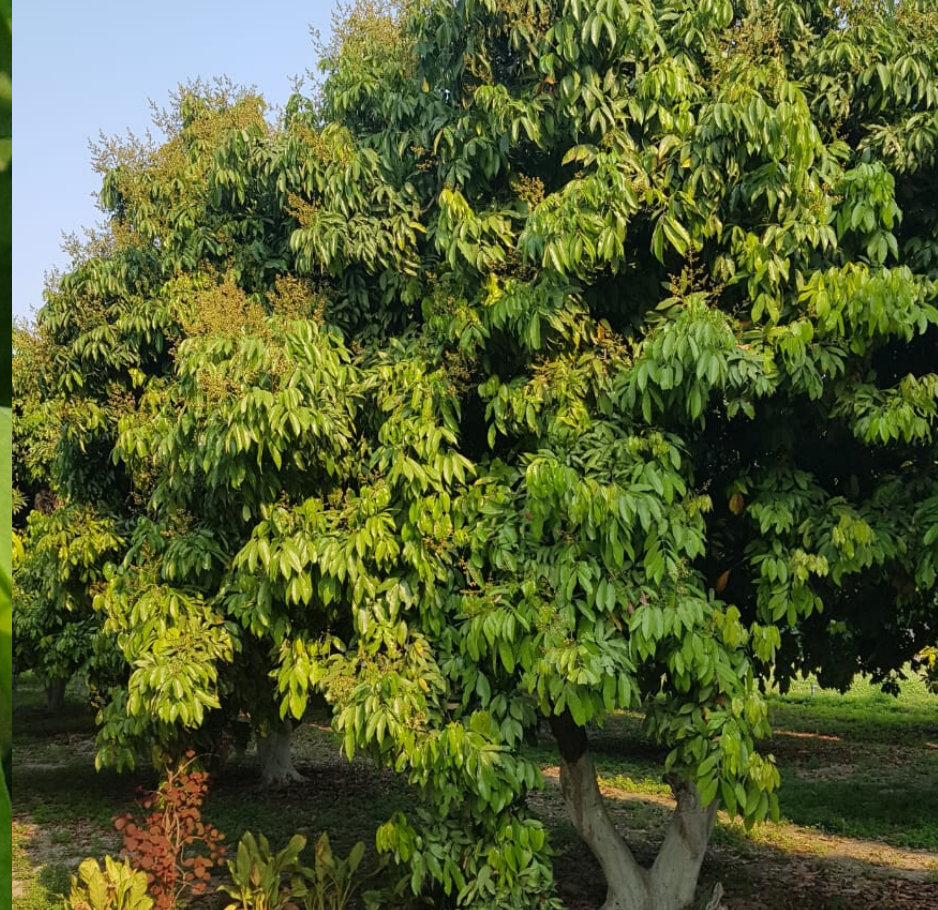
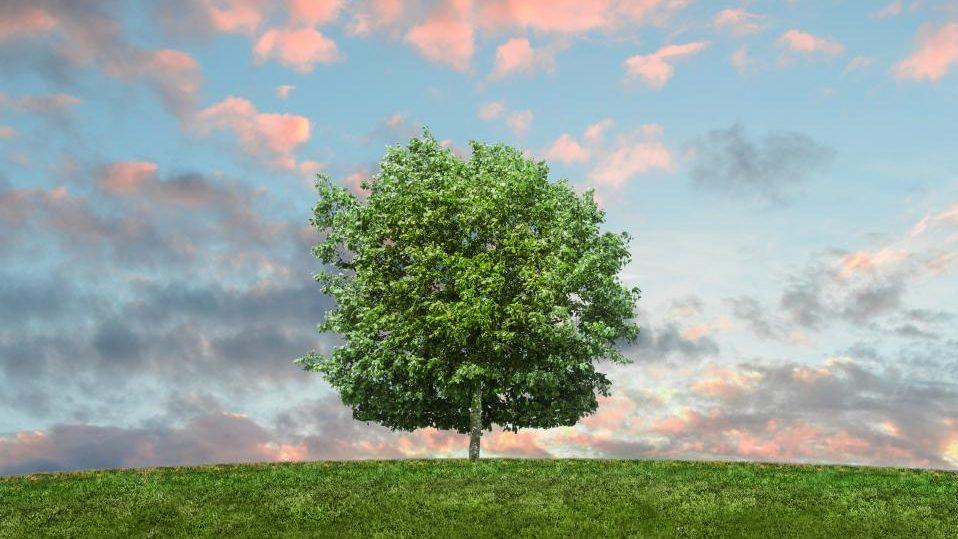
I hope you planted your tree 20 years ago. Whatever you did or didn’t do back then, of course, has no bearing on what you do today. You can plant a tree right now, for your children, your grandchildren and leave something living for the future.
Featured Image: "Tree Green" by Skitter Photo/ CC0 1.0