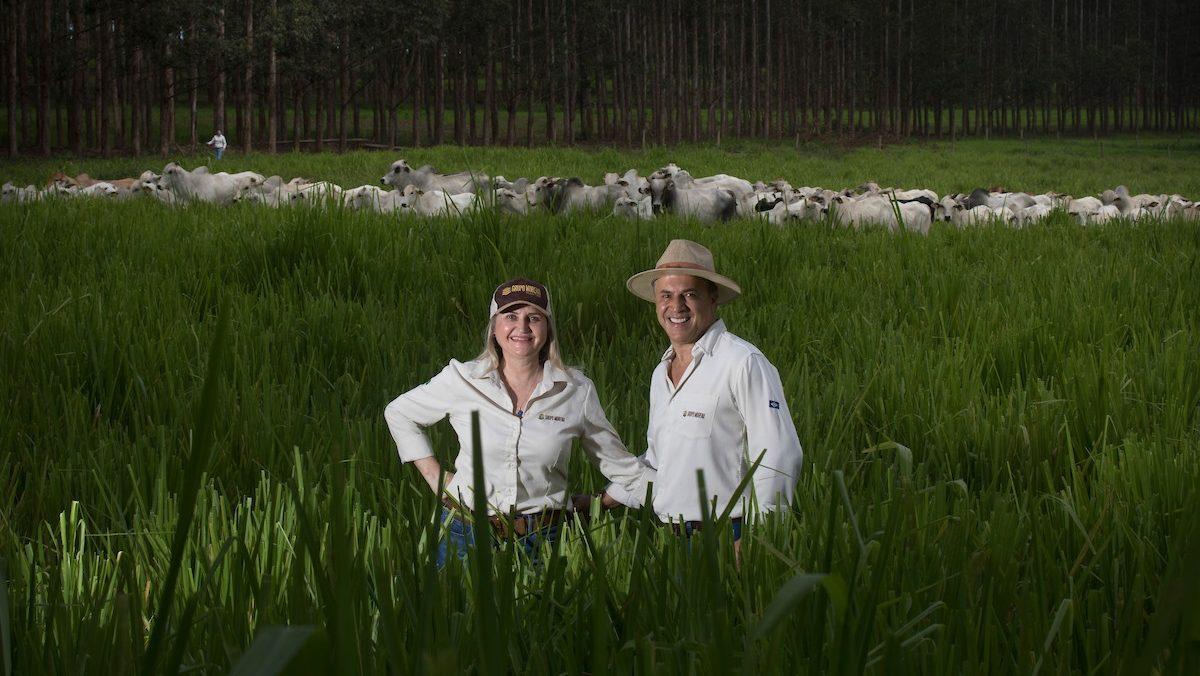
- We have been practicing Conservation Agriculture for 20 years: no-till, strip-til, crop rotation and cover crops.
- We practice IPM - Integrated Pest Management - which means that we only use agrochemicals in a rational way which means using when disease, insects, weeds are present, or climate conditions are favorable to their development.
- We use fertilisers with controlled liberation of its nutrients and according to the [.]
- We use products with bacteria, fungus etc., that promote biological soil life and make soil nutrients available.
- We use Products which increase plant`s defenses to external agents in order to use less agrochemicals.
- We correct soils for pH, lack of nutrients or nutrients deficient liberation.
- We practice controlled and responsible irrigation through real time monitoring soil water content.
- We control crop development in real time & through satellite information in order to act more precisely and timely.
- We keep the most biomass of previous crops on the top of the soil in order to increase its organic matter, reduce water, wind & temperature erosion.
- We choose good genetics, meaning varieties with higher yield potential, resistant/tolerant to diseases.
- When growing corn we tend to choose the only GMO allowed which is Bt corn.
- In the most of occasions we use herbicides strictly where needed within the field.
Back to Blog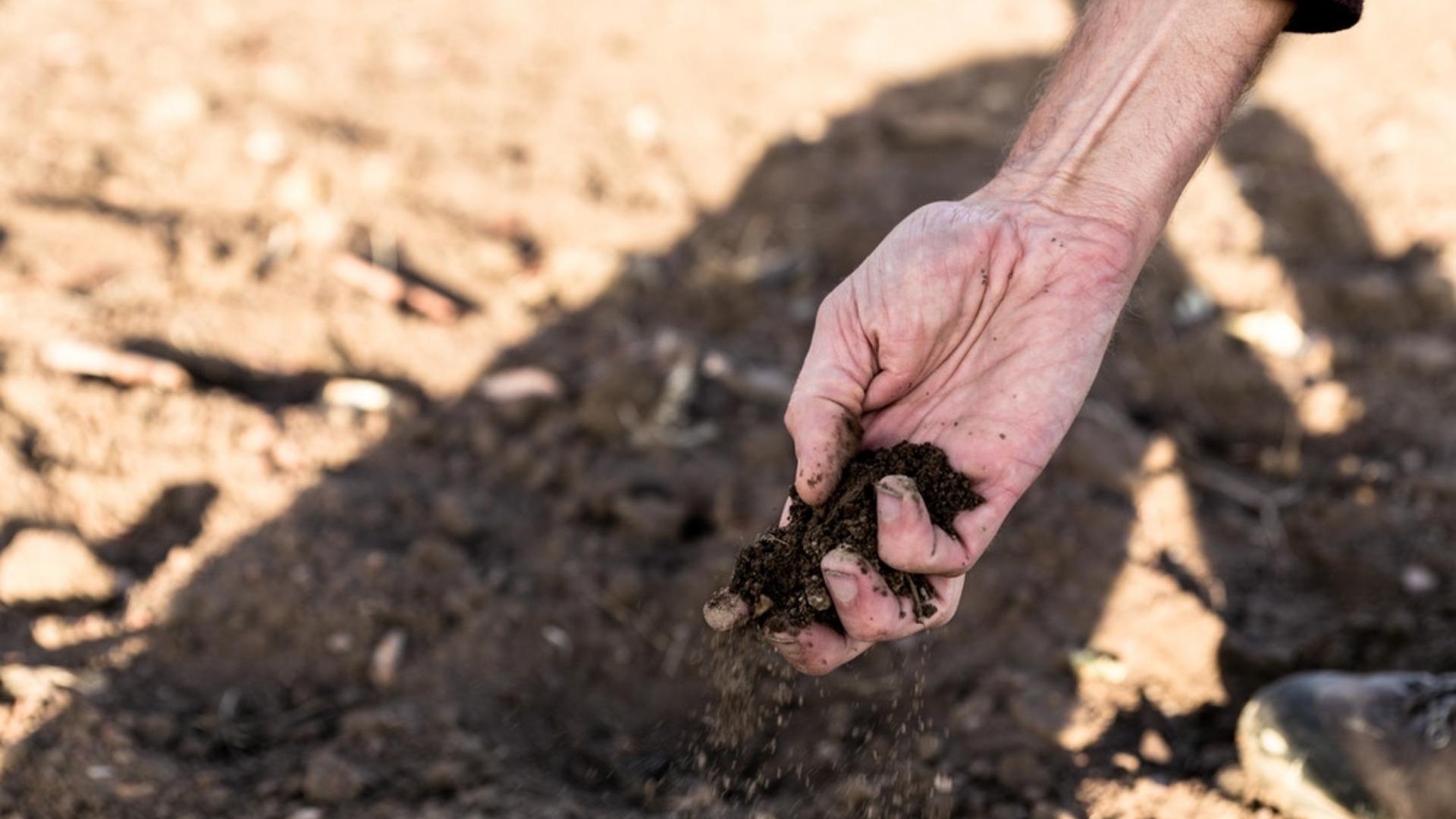
Farmer Views On Soil Health
By Global Farmer Network6 minutes
The past several years there’s been more attention and focus on soil health in agriculture. Not all soils are the same and different places around the world may require different approaches. Many farmers have been working on and testing different methods for improving soil well before it was on the radar of everyone. To learn more see the Precision Ag, Water, Soil section of the GFN website, and the Soil Health Institute is a very authoritative resource to learn more from if you are interested in the topic.
We queried some members of the Global Farmer Network to get their thoughts on two questions, and some brief responses this week from Africa, Asia, North America and Europe follow:
What are you doing to increase the soil health of your farm?
How important is soil health to your farm’s economic and environmental sustainability?
Zimbabwe – Ruramiso Mashumba
For us we are using Calcitic Lime to fix the soil PH. Our soils are acidic in nature. We also have challenges of phosphorus deficiency so we apply Folia fertilizer from our crops. In Zimbabwe we have a shortage of trace nutrient fertilizer so this year I managed to import from Turkey to help add some nutrients that are low in the soils. We have a program to rotate our crops with legumes to fix nitrogen and we also set aside land for a year to give it rest.
This topic is important to us and we are looking at learning the best methods for our soils.
India – R. Madhavan
Soil testing for a complete analysis to understand and act accordingly. Without the health of the soil, quality and quantity [of crops] is threatened and thus my economics.
Without applying properly all the soil inputs and balancing them for crop specifics [it] will cause environmental issues we cannot afford.
US, Iowa – Tim Burrack
Adding cover crops and reducing tillage.
As we gain knowledge of what lives in soil, it is evident that feeding the microbes raises yields and improves water quality.
US, Illinois – Dan Kelley
What are you doing to increase the soil health of your farm?
My father engrained in my mind there are two basic ingredients to soil health-good drainage and a proper pH. Our rich, productive Illinois silty loam soils were once marshlands. Installing drainage tile and applying sufficient limestone (calcium) to maintain soil pH (about 6.5) has enabled us to take advantage of today’s genetics. We fertilize with phosphorus and potash to keep our P1 levels near 60 and K levels in the 400 range.
Water erosion is a major concern so we use minimum or no-till practices to keep out topsoil where it is and out of streams and rivers. We have begun using cover crops on some fields to prevent erosion and reduce nitrogen runoff into nearby lakes that are used for city water supplies. We do our best to be good environmental stewards.
How important is soil health to your farm’s economic and environmental sustainability?
Soils are the world’s lifeline to our food supply. It takes decades to make an inch of topsoil and it can be lost in one heavy rain. While genetics will continue to improve thereby making sandy soils and arid regions able to produce sizable yields our farm and much of world will depend on quality soils to sustain us. One can think of the world as an apple. 3/4 of the apple/earth is covered by water leaving 1/4 of the earth as land, some of which is mountainous or arid. That leaves about 1/8 of the world that produces crops and the peel over that 1/8 is the soil we depend on to produce food. Maintaining, Protecting and Improving soils is critical to providing food, fuel, and fiber to a growing world population.
That coupled with fact that land is my largest financial asset means getting a good return on that asset as well as preserving it for the next generation is important environmentally and financially.
**One correction folks - in my apple analogy I forgot to subtract the rivers, cities and other non-crop land so it is only the peal on 1/16th or less of the apple that represents the earth’s arable land!
Even more reason to protect it!
Portugal – Gabriela Cruz, recipient of the 2010 Kleckner Award
What are you doing to increase the soil health of your farm?
Topics in this article
G
About Global Farmer Network
GFN Contributor
Global Farmer Network writes for the Global Farmer Network — a worldwide collective of 2,150+ farmer leaders across 72 countries amplifying farmer voices on agricultural policy, trade, technology, and food security.