A topic that is often brought up when I share I’m a farmer with people is chemicals. If the topic piques your interest, this is your invitation to step into my world for a moment for a conversation over coffee.
Yep, I’m that gal who takes enjoying coffee very seriously. On my way somewhere? Let me grab a coffee first. Traveling somewhere new? Let me see what their local coffee shops are like. And if you’re someone stopping by my farm, one of the first things you’ll be asked when you step into our office is if you want a cup of coffee.
So, as I was saying, let’s dive into this topic together over some coffee. (If you must know, I am sipping my favorite as I write this – a banana bread latte).
Here is the question that is frequently brought up when it comes to chemical usage in agriculture: As farmers protect their crops from weeds, pests, and disease, how much chemicals do they use?
Answer: Not a latte. (ba-dum-tssss)
Get it? The punch line replies to one of the most common concerns I hear from people who want to know about a basic agriculture practice.
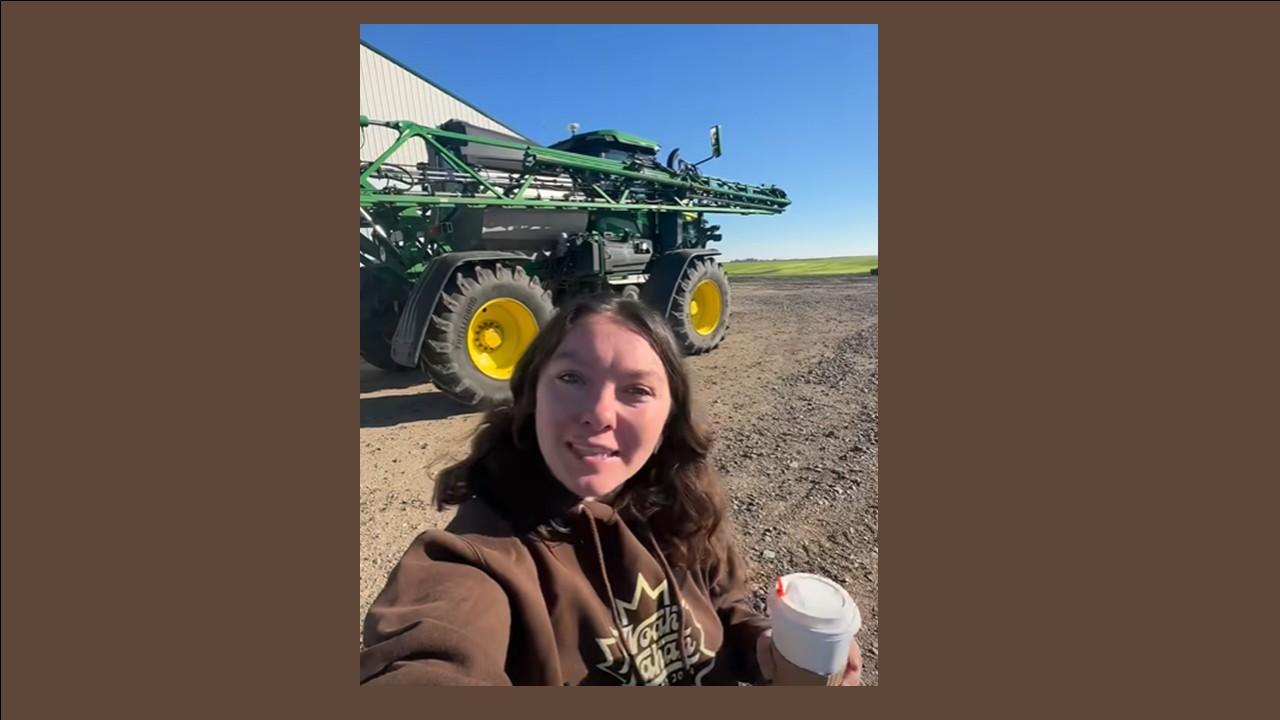
So I made a video about crop protection. The key moment is when I show the huge size of my sprayer’s tank and hold up a 16-ounce cup of my morning coffee, which, you guessed it, is a banana-bread latte.
Yes, this may be a cheesy dad joke, but I’m still a young woman who farms—and I have the sincere belief that coffee and jokes can unite us.
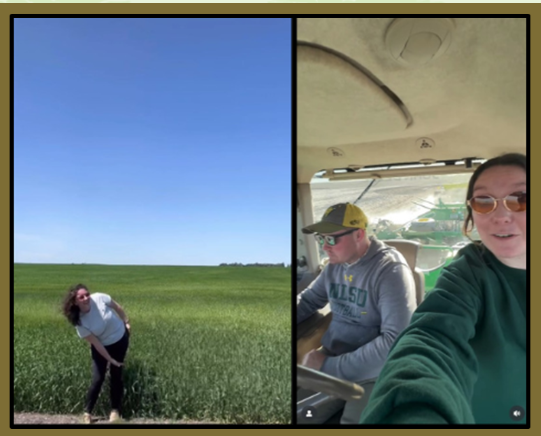
On our family farm in North Dakota, where we grow malt barley, soybeans, canola, and wheat, we put a tiny amount of crop-protection chemical in a massive tank. The chemical component is about the size of my drink—in other words, “not a latte.”
Go ahead and groan, but c’mon: It’s funny. Or at least it’s sort of funny, in that special way of dad jokes.
But it’s also important.
Many people have a different idea—and a wrong one. They assume that sprayer tanks are full of chemicals and nothing else.
The critics of modern agriculture exploit this misperception. They accuse farmers like me of “dousing” our crops in chemicals. That’s seems to be their favorite verb: “dousing.” If you look it up in a dictionary, it means “drenching,” as in dumping a huge amount of water onto a raging fire to put it out.
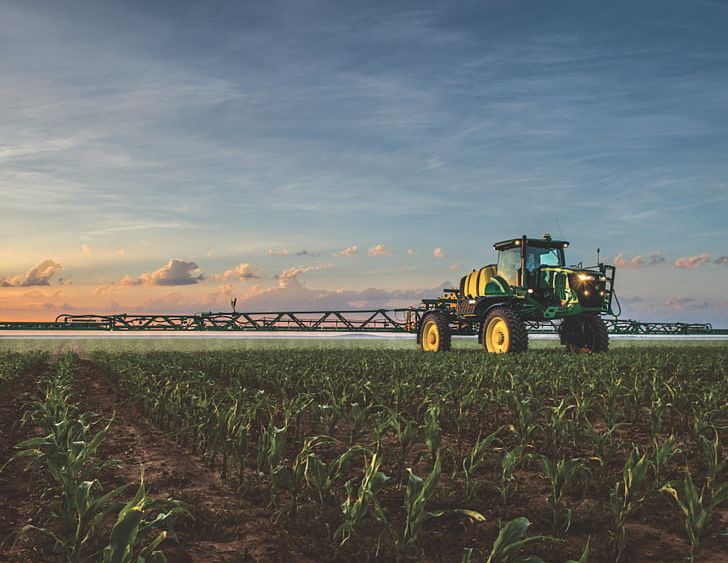
This isn’t even close to what farmers do. When we apply crop-protection products to our crops, we’re stingy. Instead of dousing, we sprinkle or spritz. A coffee cup of chemicals can cover an entire acre, which is roughly the size of an American football field. This tiny amount protects crops until it breaks down without entering the food chain.
We do this to grow healthy food in a sustainable way. If we didn’t spray, bugs would feast on the food we grow. You’d see worms, bugs, and other pests in your favorite food.
Without crop protection, fungus would infest basically everything. A lot of food in grocery stores would be disgusting because it would carry the fungus. Even worse, a lot of the fungus would be invisible. Consumers would eat mold and not know it.
This is why we use crop-protection products, and a little spray does a lot of work.
Sprays help us make agriculture more sustainable, too. Because they reduce the pressure from weeds, pests, and disease, farmers grow more food on less land. That’s good for environmental conservation. We save water and other resources. Many wild places stay wild, rather than convert into food production.
It’s also good for household budgets: Abundant food keeps costs in check for consumers. If you think food inflation has been bad in recent years, just wait until farmers stop protecting their crops and grow less food. It’s an iron law of economics: Lower supplies mean higher prices.
I understand why people are confused about agriculture. We live in turbulent times. Everything feels so divisive. The algorithms of social media seem to prey on our fears.
What’s more, farming to many is mysterious. The United States once was a nation of farmers, with most of the population engaged in food production. With the benefit of time and technology, we’ve become so good at farming that it takes far fewer people to produce the food we need.
This is an excellent development. Many people who formerly would have been forced into agriculture can pursue other professions. My two sisters, for example, are a doctor and a lawyer.
The downside is that few people understand what farmers do—and they’re vulnerable to misinformation and manipulation, especially as consumers – American and globally – become less trustful of everything, from the government to the corporations to the media.
Polling data show that most of them still trust farmers, however. They’ll continue to trust us as we tell the truth about crop protection, and as long as we’re open and transparent—and willing to risk a dad joke.