Good news for farmers in Europe may be even better news for agriculture in Africa, following the European Union’s recent decision to rethink and retreat from its self-destructive policies under the Green Deal and Farm to Fork strategy
This has never been just an EU issue – these decisions have profound implications for Africa, global trade, and the role of science in shaping agricultural policies.
My continent may finally enjoy a real chance to unlock its vast agricultural potential.
Up to now, African farmers like me have suffered from European misinformation about science and technology. These propaganda efforts, fueled by ideological organizations that know little about food, have suppressed innovation and blocked access to the tools we need.
For too long, African have been in the habit of looking to Europe for policy leadership and economic opportunity. As a result, the environmental fantasies of its Green Deal have taken a toll on our own agricultural development.
When bureaucrats in Brussels decide to promote organic farming in the EU, they encourage Africans to do the same, creating barriers to the technologies we desperately need. African governments hesitate to approve the planting of drought-resistant crops and the use of soil-enhancing fertilizers because they fear the loss of the EU’s export markets and financing.
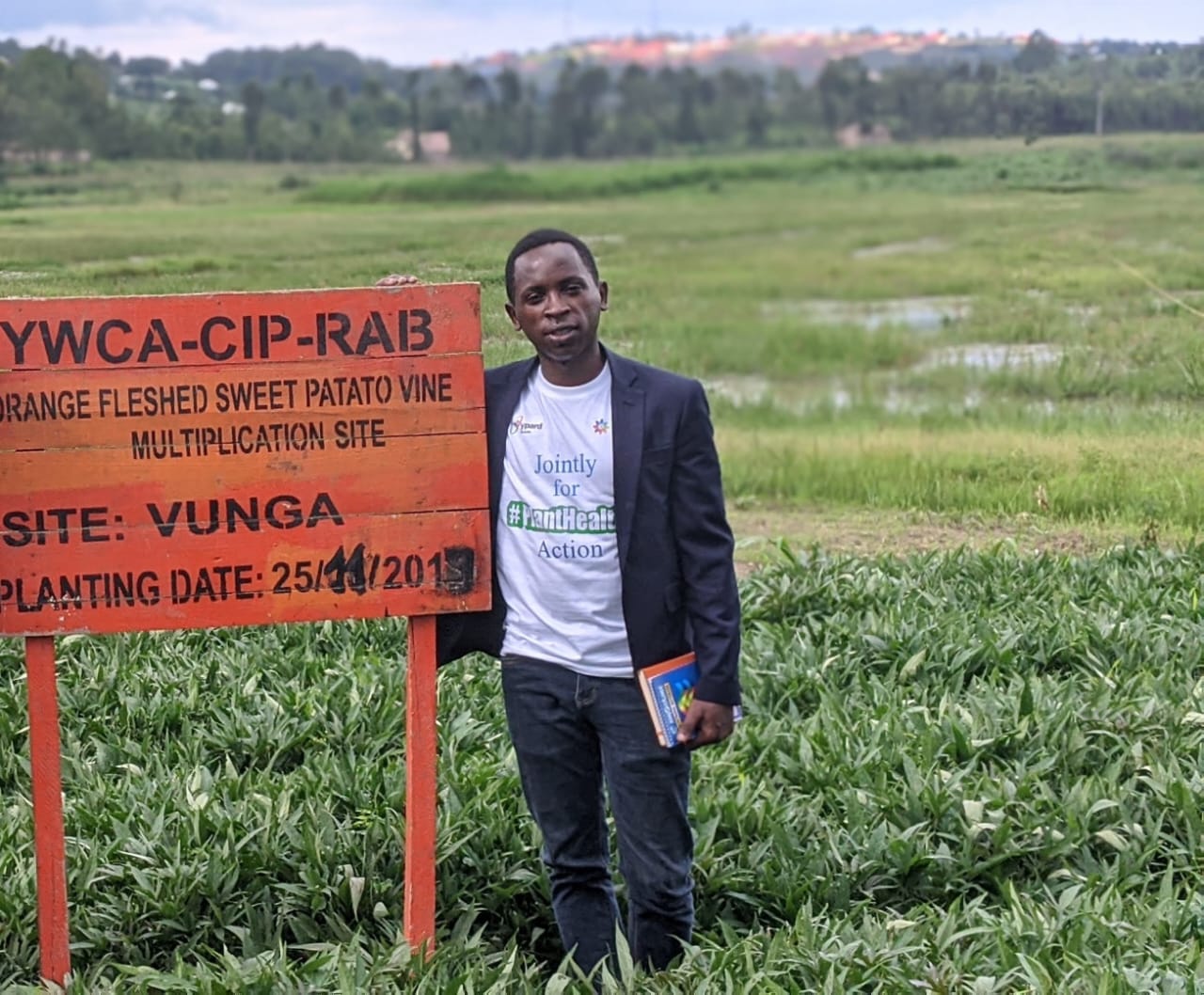
As a farmer in Rwanda, I’ve witnessed this problem firsthand. While much of the rest of the world has benefitted from GM crop technology, synthetic fertilizers, and advanced irrigation techniques, we’ve struggled to move into the 21st century because of what the EU has deemed acceptable and unacceptable.
Farmers in North America, South America, and elsewhere take these tools for granted. Meanwhile, the EU has resisted most of them—and too many Africans have taken their cues from Europe. We’re stuck in an outdated past.
The result for Africa is a sad mix of poverty, mass migration, and food insecurity. Most of my age mates—people who should be the next generation of African farmers—have abandoned family farms in rural areas to migrate to urban cities and Western countries, if they have the means, to leave Africa altogether.
Africa ought to be the world’s breadbasket: a powerhouse of productivity. When it comes to farming, however, we are more like a basket case—a permanent underperformer that lags the rest of the world in just about every category of agriculture.
We don’t lack for farmers. There are millions of us. The World Bank says that two-thirds of Africans have jobs in agriculture, which makes up between 30 and 40 percent of GDP.
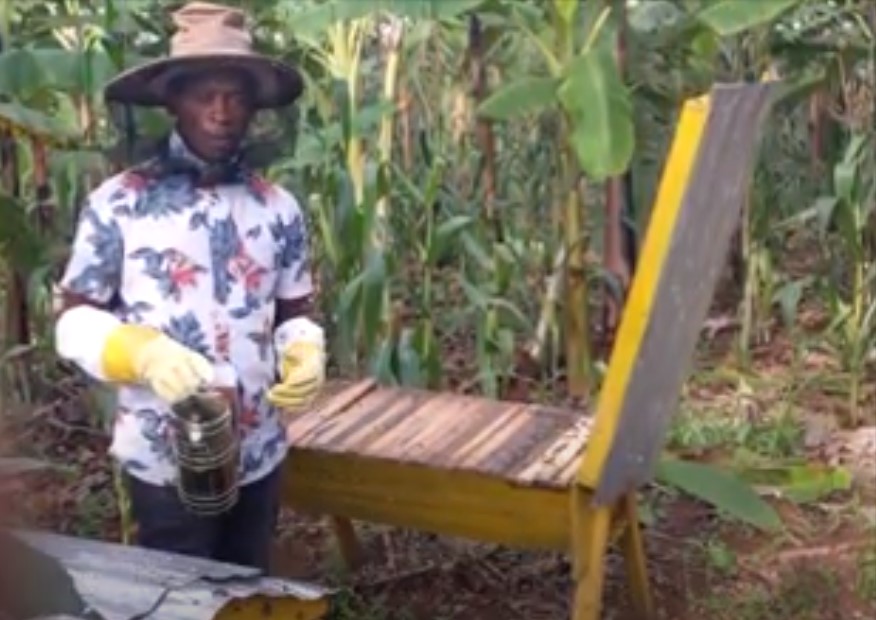
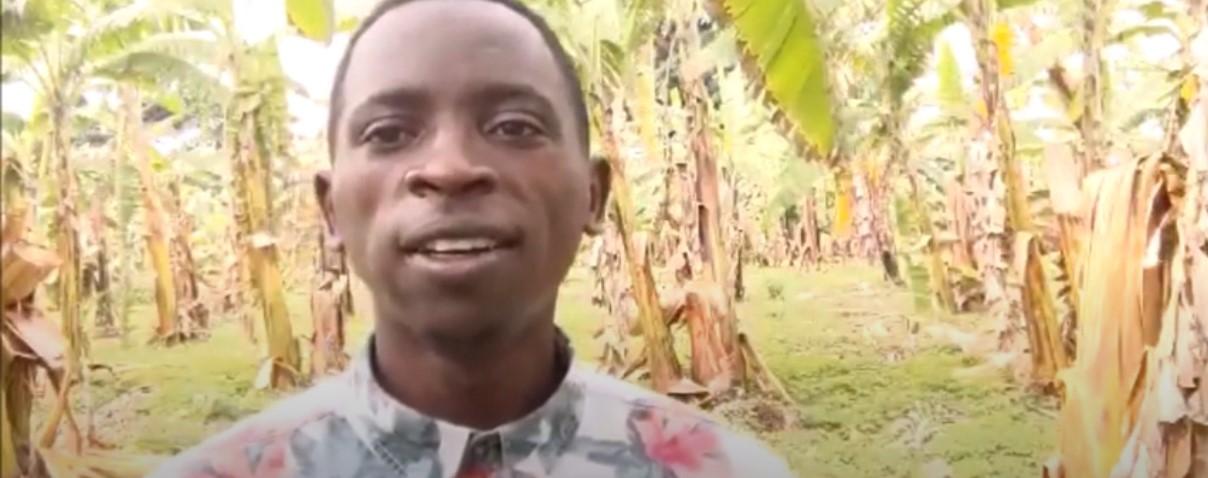
I’m one of them. As a farmer and agribusiness entrepreneur, I am growing Hass avocados, bananas and eucalyptus, raise cattle, and keep bees. I also struggle with the basics. It’s difficult to get my hands on small-scale equipment, such as utility tractors and their implements.
My world of farming is totally different from farming in Europe—and what makes sense for the wealthy nations of the EU doesn’t make sense for the poor nations of sub-Saharan Africa.
If Europe wants to make life difficult for its own farmers through harsh regulations, then that’s a political choice. It comes with consequences, such as driving up the cost of food. Developed countries, however, have the luxury of making mistakes such as this. They can afford blunders.
It turns out, however, that the EU’s Green Deal agenda doesn’t even make sense for Europe—as many European farmers have pushed back and made it clear in their public protests and many European voters have shown at the ballot box.
Now the European Commission has recognized its error. It has treated farmers like enemies of the environment rather than allies in affordable food production who also can be part of the solution to climate change.
This may be more about survival than a newfound love of science, but whatever the motive, it presents an amazing opportunity for African farmers.
As Europe retreats from its Green Deal, Africa has the opportunity to break free from policies that limit technological progress and innovation in agriculture and African policymakers now have a precedent to challenge anti-science narratives.
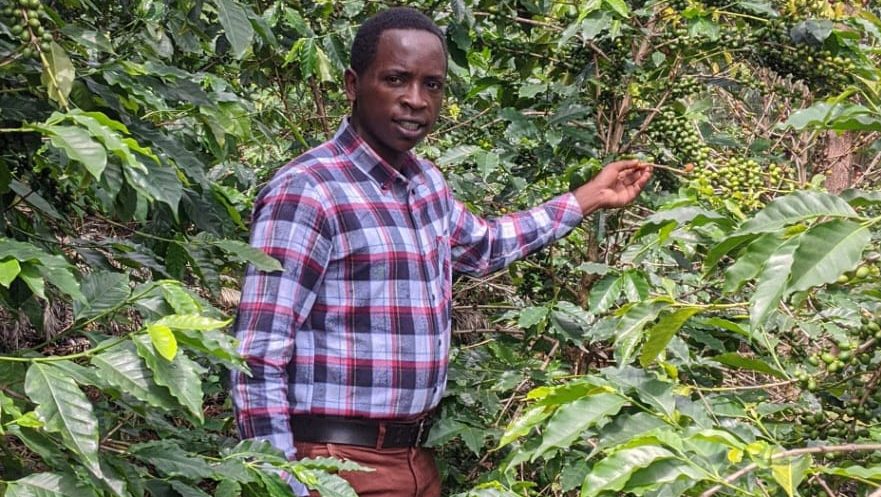
I’m already working hard to bring my farm into the modern era by introducing precision agriculture methods, working with digitization to record farm data, and looking at innovative financing solutions through the pWallet platform to gain access to markets and financing.
Yet we must become even more ambitious. It took the EU too long to realize its mistake, but this is an opportunity for Africa. European leaders are doing this out of survival, not love for science. Their farmers demanded change. This is Africa’s moment to build a resilient, self-sufficient agricultural system.
This marks the end of a long-term investment in misinformation targeting Africa’s Green Revolution. The road ahead is clear: science must lead, and Africa must feed itself.